


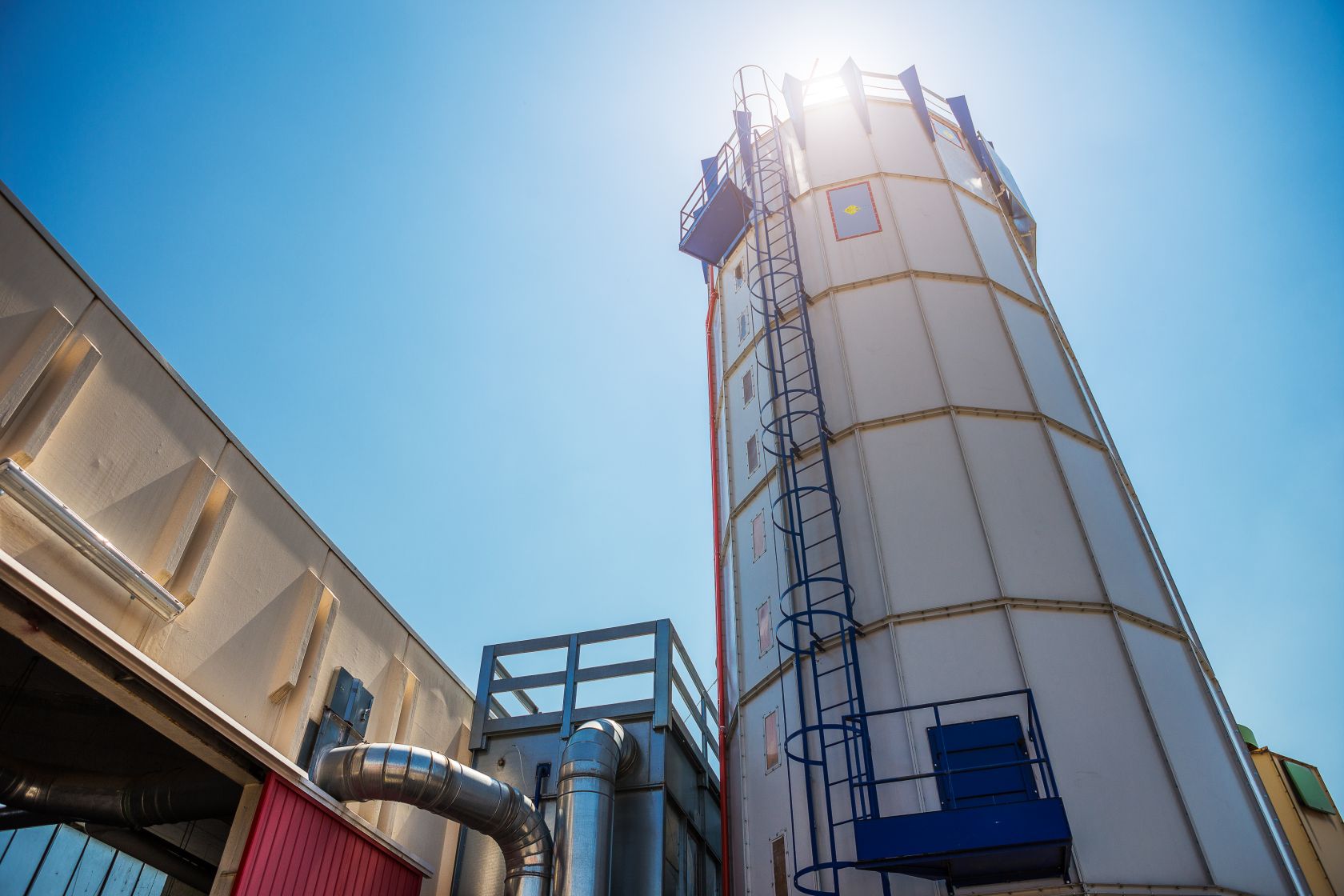
But the industry that is being born in Europe is very different from the one we have known for much of the twentieth century. It will be increasingly digital, automated, sustainable and intelligent, using artificial intelligence to optimise processes, collaborative robotics to increase efficiency, sensors to anticipate failures and digital platforms capable of connecting the entire production chain in real time.
These factories will produce better, waste fewer resources, and respond more quickly to customer needs. This transformation has already begun, and Portugal may have an important opportunity to benefit from it.
The recent edition of Portugalglobal shows precisely how several Portuguese companies are developing smart manufacturing solutions, industrial automation, digital maintenance and technologies that increase the productivity and competitiveness of factories. More than keeping up with this change, many of these companies are now exporting knowledge and technology to international markets, which is a very positive sign for the Portuguese economy.
For decades, Portugal has sought to assert itself through the quality of its industrial production. Today, this quality is still important, but it is no longer enough. The added value is increasing in the ability to integrate technology, engineering and innovation in each product and in each production process.
At the same time, Europe is going through a phase of profound transformation. The need to strengthen industrial autonomy, reduce external dependencies and bring supply chains closer together is leading many companies to reconsider where they produce. Countries that can offer stability, skilled talent, competitive energy, and technological capacity will have a significant advantage in this new phase.
Portugal meets many of these conditions. It has internationally recognised engineers, universities that collaborate with industry, a growing production of renewable energy and a strategic location between Europe, Africa and the Americas. In recent years, the arrival of investments in data centres, artificial intelligence, aeronautical maintenance, and space technologies demonstrates that the country is beginning to be seen as a technological partner and not just as a peripheral market.
But this opportunity should not be taken for granted. The transformation of the industry requires continuous investment in innovation, training and digitalisation, particularly in small and medium-sized enterprises, which continue to represent a very significant part of the Portuguese business fabric. It also requires faster project implementation, more efficient administrative processes and an ever closer connection between companies, universities and research centres.
The factories of the future will not only be defined by the machines they use, but by the people who develop them, the knowledge they embody, and the ability to innovate continuously. This is precisely where Portugal can make a difference.
For too long we believed that our economic future would pass mainly through services and tourism. Both will continue to play an essential role. But perhaps a new opportunity is being born, quieter, although equally transformative: that of building a more technological, more sustainable and more competitive industry.
Because the next big growth story for the Portuguese economy may not start in an office or a laboratory. You can simply start inside a factory.
Set The Portugal News as your preferred source for news on Google
 Add as a preferred source on Google








 Portugal Handbook
 English
 Nederlands
 Deutsch
 Français
 Español
 Italiano
 Svenska
 Pусский
 中文
中文 Türkçe
 Português
 Czech
Czech Hungarian
 Polski
 عربي
عربي Suomi
Suomi עִברִית
 Português (Brasil)
Follow us on social media