


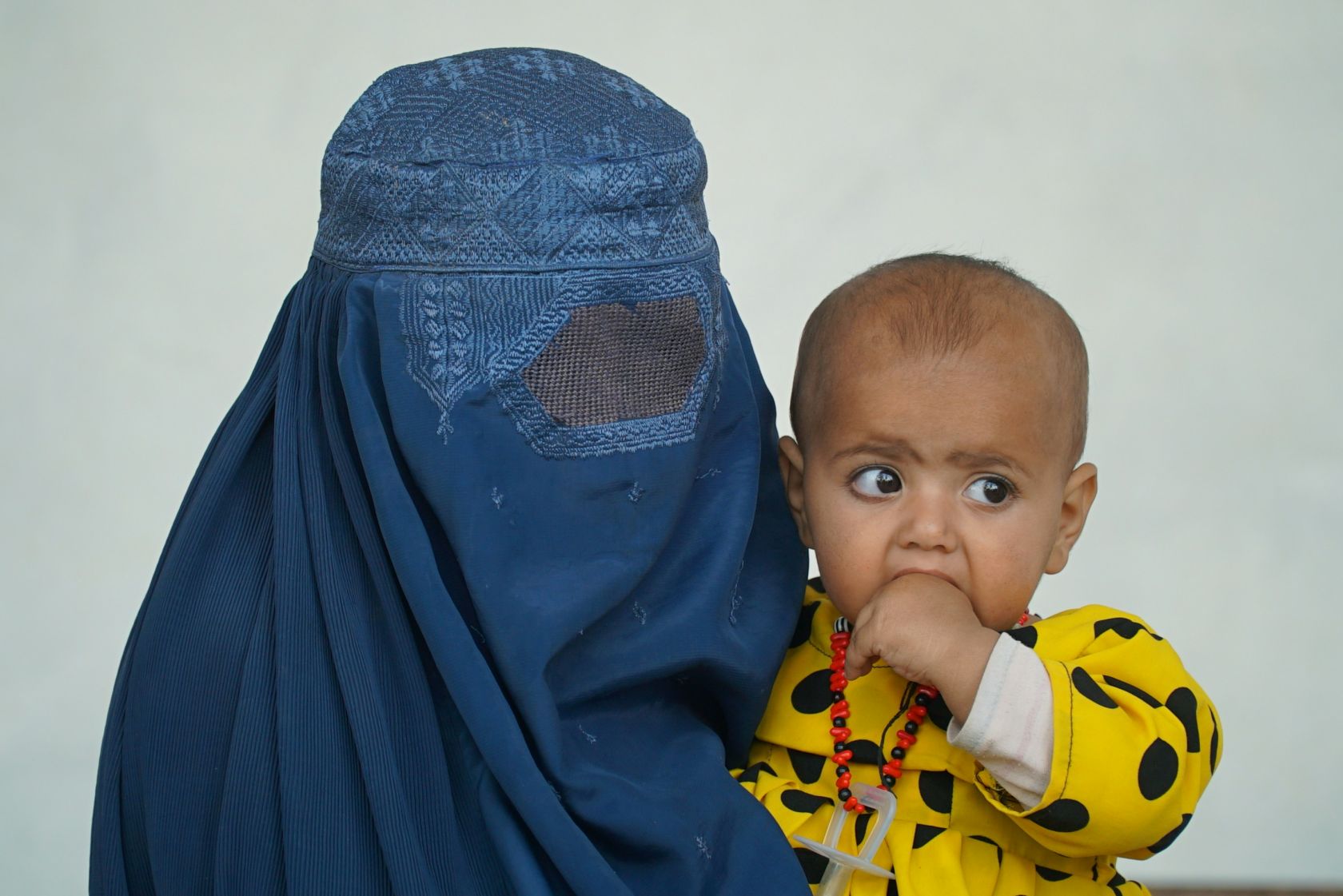
The Head of State gave reasons for the legislation, stating that the face should be kept as a key part of human identity and communication, while also recognising how sensitive the matter is from a social and cultural point of view.
The law, which was approved by Parliament in July with the backing of the centre-right governing coalition and the far right, bans clothing designed to hide the face or prevent people from being identified in public. It also makes it illegal to force anyone to cover their face for reasons connected with gender, religion, age or origin.
People who violate the law are liable to be fined between 150 and 3,000 euros; there are, however, exceptions in cases involving health, professional requirements, artistic performances and weather conditions, as well as in places of worship, diplomatic missions and on aircraft.
The legislative proposal originated with the Chega party and received negative reactions from organisations including the Bar Association, the Superior Council of the Public Prosecutor’s Office, and the Portuguese Association of Women Jurists, all of which expressed concerns about its possible unconstitutionality.
The left-wing opposition, made up of the Socialist Party, Livre, and the PCP, voted against the measure, charging its supporters with spreading hate speech and promoting Islamophobia in the name of security concerns or women’s rights. The progressive groups criticised the measure for creating a climate of moral panic and warned about the risks it posed to the unity of the communities directly concerned.
Set The Portugal News as your preferred source for news on Google
 Add as a preferred source on Google








 Portugal Handbook
 English
 Nederlands
 Deutsch
 Français
 Español
 Italiano
 Svenska
 Pусский
 中文
中文 Türkçe
 Português
 Czech
Czech Hungarian
 Polski
 عربي
عربي Suomi
Suomi עִברִית
 Português (Brasil)
Forcing women to cover their faces to preserve modesty, is sick and grotesque. It implies that women who show their faces are immodest - whores basically. This isn't 'culture' (Morocco for example has a ban on the burqa), it's an affront to basic humanity and civility.
Arguing - as the left does - that a face cover PRESERVES WOMENS' RIGHTS, it even worse: it's adding insult to injury, it's gaslighting and it's utterly deranged in its' cognitive dissonance. Only a severly mentally ill person can truly believe that you're helping women by covering their faces!
The burqa should be banned across the entire western world. Whoever wants to wear it, can wear it in their own countries.
By Hart from Lisbon on 22 Aug 2026, 17:57