


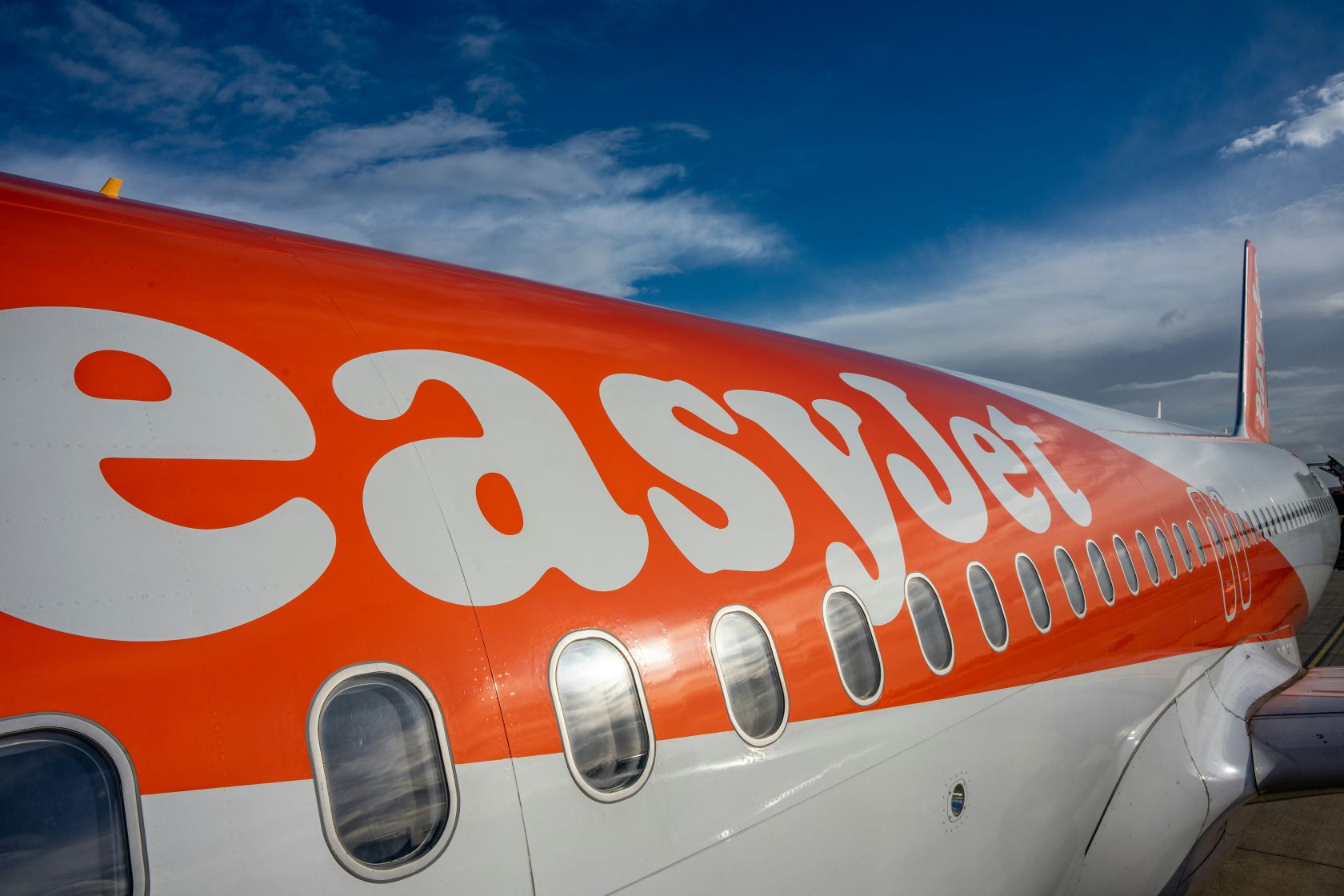
The strike is scheduled to start next Friday, 2 October, and will continue until Tuesday, 6 October—this being the same week as the Republic Day public holiday (5 October).
The union believes that the protest might impact about 500 of the flights scheduled from the Lisbon, Porto, and Faro airports, and that a further wave of industrial action has already been arranged for 19 to 23 December. According to travel industry media, the company has already started cancelling some routes, including around 35 flights to and from the UK, in order to enable passengers to reschedule.
The main issues in the labour dispute are the allegations made by SNPVAC concerning worsening working conditions, frequent changes to the duty rosters, failure to comply with the collective bargaining agreement, unequal treatment of cabin crew and pilots, and the pressure placed on employees to work overtime as a result of staff shortages.
The union also points out the wage differences when compared with employees of other airlines in the country and with easyJet staff in other European markets. In reply, the airline has expressed its disappointment at the union's decision; both sides are now taking part in a conciliation process which is being mediated by the Directorate-General for Employment and Labour Relations (DGERT).
Meanwhile, a decree from the Portuguese government has required the setting up of the legally mandated minimum services, with particular emphasis on ensuring connections to the autonomous regions—namely the routes linking Lisbon, Porto, Funchal and Porto Santo.
Set The Portugal News as your preferred source for news on Google
 Add as a preferred source on Google








 Portugal Handbook
 English
 Nederlands
 Deutsch
 Français
 Español
 Italiano
 Svenska
 Pусский
 中文
中文 Türkçe
 Português
 Czech
Czech Hungarian
 Polski
 عربي
عربي Suomi
Suomi עִברִית
 Português (Brasil)
Follow us on social media