


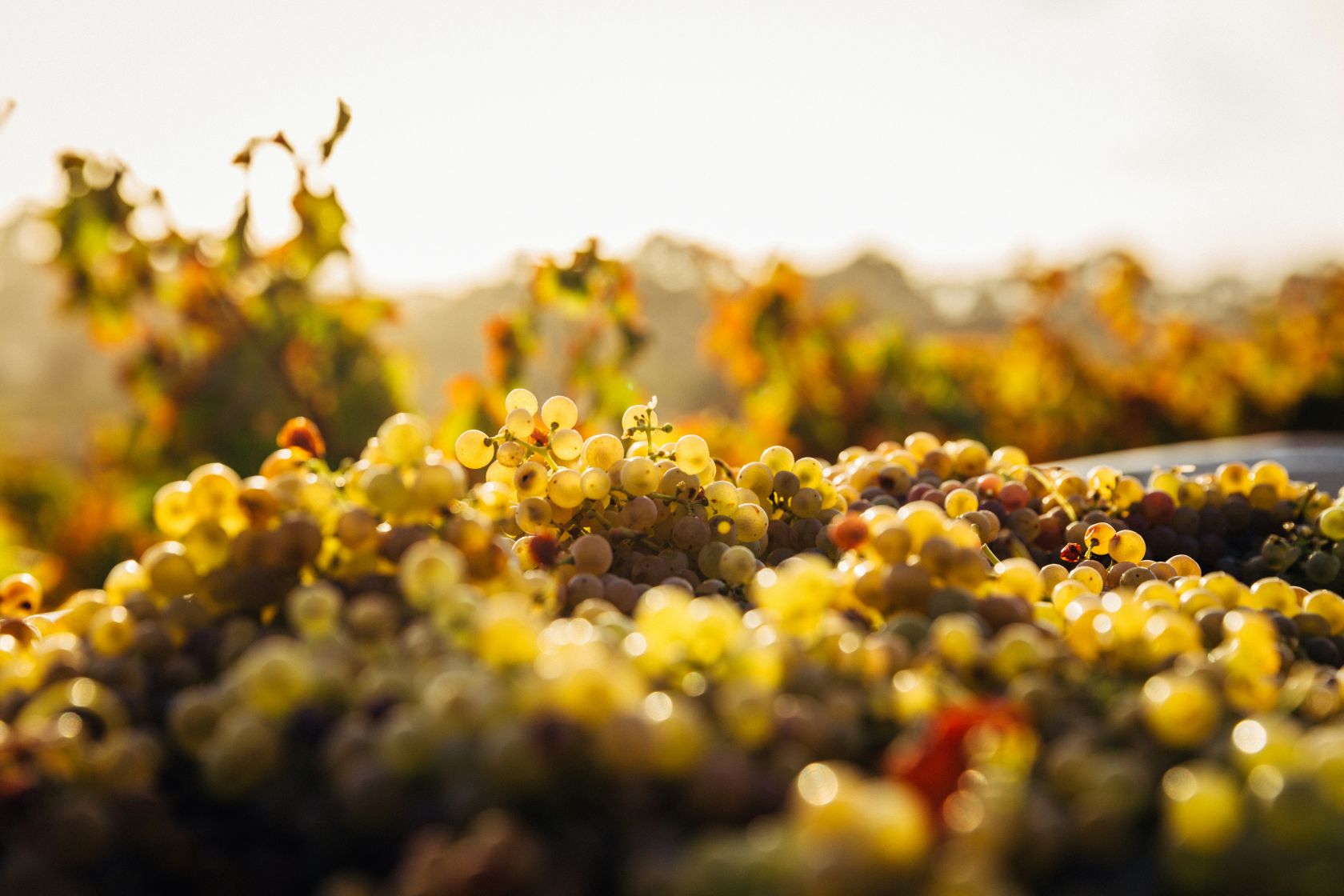
The three-day event brings together the local winemakers, the traditional food, the music and the various activities to give visitors the opportunity to discover how wine has been made in this part of Portugal for over 2,000 years.
Vinho de talha is made the old-fashioned way, by fermenting the crushed grapes in large clay jars (talhas). It's a technique that goes back to Roman times and has been done in the Alentejo for generations. It's a very important part of the region's heritage.
In Vila Alva many families have carried on the tradition of making wine in the smaller tarecos (clay containers).
One of the main attractions of the festival is the opportunity to visit local cellars and taste this year's wine directly from the producers.
The celebrations begin on Friday, 13 November, with a photography exhibition and a conference discussing the challenges and opportunities facing the wine industry. Food stalls will open at 7pm, followed by traditional Alentejo singing in participating cellars and live music throughout the evening.
Saturday will be the busiest day with the day kicking off at 10 am with a guided walk through the century old vineyards. You'll get a chance to find out a bit more about the history of local wine making and how the old vines are still very much in use.
The afternoon programme includes a cante alentejano workshop, a guided visit to the village church, a pottery workshop and a demonstration of pesgagem, the traditional process of sealing clay wine jars.
At 6pm the participating cellars will be opening their doors, and the wine trail will be running until 8pm. You can walk between the cellars, sample the local wines and there will be traditional music and entertainment throughout.
This year's festival also welcomes Georgia as its guest country, recognising the similarities between the two countries' ancient winemaking traditions.
Georgia has its own method of producing wine in large clay vessels called kvevri, a tradition recognised by UNESCO as Intangible Cultural Heritage. The programme includes Georgian wine tasting, traditional singing and the signing of a cooperation agreement between the municipalities of Cuba and Kvareli.
Saturday evening will continue with live performances, including the local music group Recante with Raízes do Cante at 10:45 pm, followed by a 1980s-themed DJ set.
On Sunday you can join in a traditional clay pot cooking workshop and then have a community açorda lunch at 1pm. The festival concludes with an afternoon performance by Nelson Laranjo.
For those interested in Portuguese wine, local cuisine and the chance to discover some of the smaller Alentejo villages, it's an excellent opportunity to get a real taste of the traditions that are still very much a part of daily life.
Some of the activities (cellar trail, community lunch and vineyard walk) require pre-registration and places are very limited.
Set The Portugal News as your preferred source for news on Google
 Add as a preferred source on Google


 Portugal Handbook
 English
 Nederlands
 Deutsch
 Français
 Español
 Italiano
 Svenska
 Pусский
 中文
 Türkçe
 Português
 Czech
 Hungarian
 Polski
 عربي
 Suomi
 עִברִית
 Português (Brasil)

Follow us on social media