



Made from discarded rice mill waste, the fuel replaces charcoal traditionally sourced from mangroves. Early adoption by local businesses shows potential to cut deforestation while lowering fuel costs and supporting more sustainable energy use.
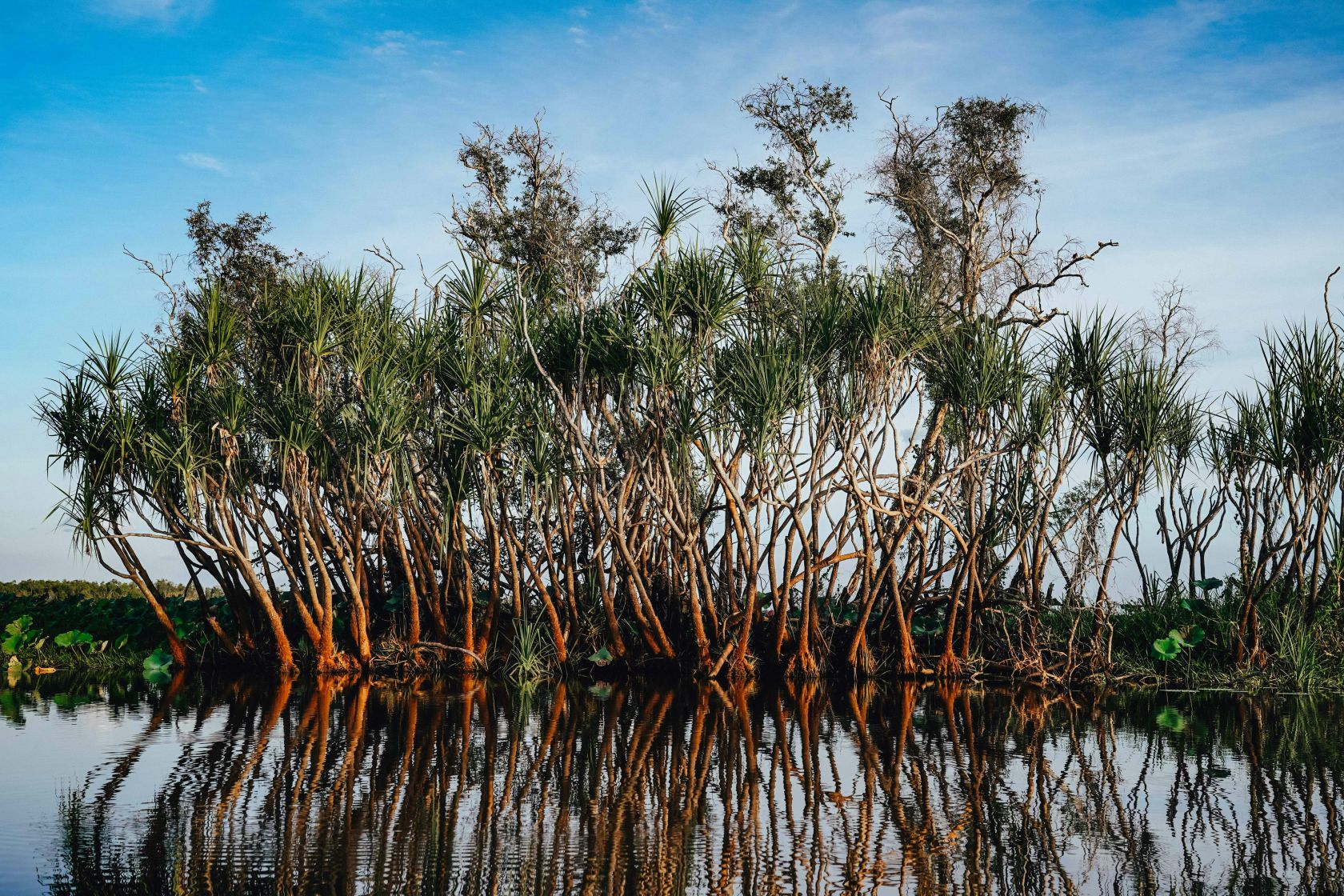
The initiative addresses a core driver of mangrove loss, as many rural communities rely on wood and charcoal due to limited electricity access. By turning agricultural waste into fuel, the model links conservation with economic practicality. If scaled, it could offer a replicable solution across Southeast Asia, where energy poverty and environmental degradation remain closely connected.
 Add as a preferred source on Google





 Portugal Handbook
 English
 Nederlands
 Deutsch
 Français
 Español
 Italiano
 Svenska
 Pусский
 中文
中文 Türkçe
 Português
 Czech
Czech Hungarian
 Polski
 عربي
عربي Suomi
Suomi עִברִית
 Português (Brasil)
Follow us on social media