


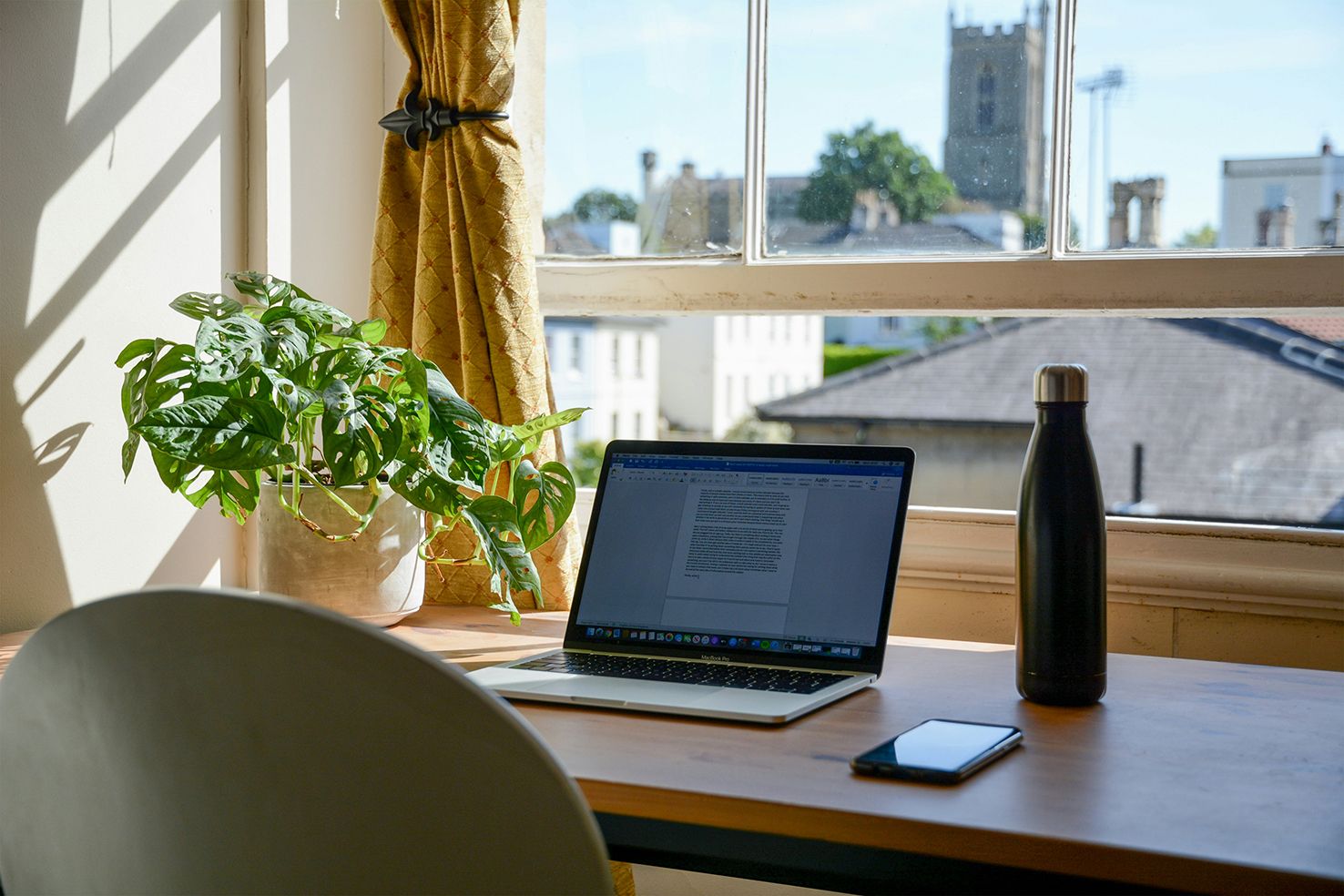
A Digital Nomad Visa is a permit that allows remote workers to legally live in a foreign country while earning income from employers or clients outside that country. The visa can be obtained by remote workers such as freelancers, entrepreneurs, digital creators, specialists and contractors.
Each country sets its own eligibility criteria, with the most common requirements being proof of income, signed work contracts and housing in the host country.
The rise of Digital Nomad Visas
According to the travel data agency Riskline, there are at least 40 million digital nomads worldwide, with approximately fifty percent of them being Americans.
There are numerous benefits to obtaining a Digital Nomad Visa. It offers a relatively low-cost relocation opportunity and allows individuals to legally live and work remotely. It also makes relocating with family easier, and digital nomads’ children can often attend local schools at no cost, while the entire family may receive medical care at local clinics.
Understanding the 90/180 Rule
Digital Nomad Visas open the door to longer stays in Europe, but the Schengen 90/180 rule still applies. Non-EU citizens can stay in the Schengen Area for up to 90 days within any rolling 180-day period.
How that “rolling” period works is often misunderstood, as it is neither a calendar reset, a 90-days-per-country rule, nor a count that restarts once you leave. Instead, every day spent in the Schengen Area is counted backwards over the previous 180 days. This is where many travellers make costly mistakes.
How it works in practice
To illustrate how the rule works in practice, consider a traveller arriving in Spain on 1 March and staying until the end of May. This would use up the full 90-day allowance. If they then leave and attempt to return in June, they would not be permitted to re-enter immediately. Instead, they would need to wait until their earlier days begin to fall outside the 180-day window, which would typically be around late August.
If you have been granted a Digital Nomad Visa from a Schengen country, the law treats your time in that specific country differently. Days spent in your visa country do not count towards your 90-day limit.
For instance, if you hold a Spanish Digital Nomad Visa, you are permitted to live in Spain long-term within the limits of your permit, and those days do not reduce your Schengen allowance.
What often causes confusion is that the rest of the Schengen countries still operate under the 90/180 rule, regardless of your visa in your host country. In practice, this means your time is split between two systems running in parallel. It is helpful to picture this as two separate counters running at the same time, each with its own limits.
Where remote workers still get it wrong
Only a few years ago, remote workers could get away with small mistakes, but today, systems are digital, and checks are more consistent. It is therefore important to understand the rules.
A common misunderstanding is that leaving the Schengen Area resets your days. It does not, and your previous days continue to count until they fall outside the 180-day window.
Another misconception is that each country provides its own 90-day allowance, but in reality, it is a shared pool across all Schengen countries. Today’s digital systems count exact days, including both arrival and departure, and everything is now tracked automatically.
The shift to digital border control
The EU’s Entry/Exit System (EES) is now being fully rolled out, effectively replacing passport stamps with digital records. In practice, this means that entries and exits are recorded electronically, remaining days are calculated automatically, and overstays are flagged immediately.
Failure to comply with the rules can result in consequences such as refused entry on a future visit, visa complications and even temporary bans in some countries.
Travelling beyond Schengen
Some countries outside the Schengen Area, such as Turkey, Albania and Montenegro, do not count towards the 90-day limit. This is why some remote workers rotate between locations, spending two to three months in a Schengen country, followed by a few months outside, and then returning again. It is a perfectly valid strategy, but it must be carefully tracked.
Digital Nomad Visas do not replace the 90/180 rule and should not be confused with free movement across Europe.
Planning your stay in Europe
If you are considering working remotely in Europe, there are two main approaches. The first is to do so without a visa, staying up to 90 days before leaving the Schengen Area. The second option is to secure a Digital Nomad Visa, base yourself in one country, and travel within Schengen while keeping track of your days outside your host country.
In 2026, securing a Digital Nomad Visa is the preferred option for many long-term remote workers, as it offers greater stability and flexibility.
Europe is still a place offering relatively easy relocation, but in 2026, that freedom comes with clearer limits. The rules have not changed, but enforcement has, with the full implementation of the EES digital system. Whether using a Digital Nomad Visa or not, understanding how your time is counted is now essential to making that freedom work in practice.
 Add as a preferred source on Google







 Portugal Handbook
 English
 Nederlands
 Deutsch
 Français
 Español
 Italiano
 Svenska
 Pусский
 中文
中文 Türkçe
 Português
 Czech
Czech Hungarian
 Polski
 عربي
عربي Suomi
Suomi עִברִית
 Português (Brasil)
Follow us on social media