


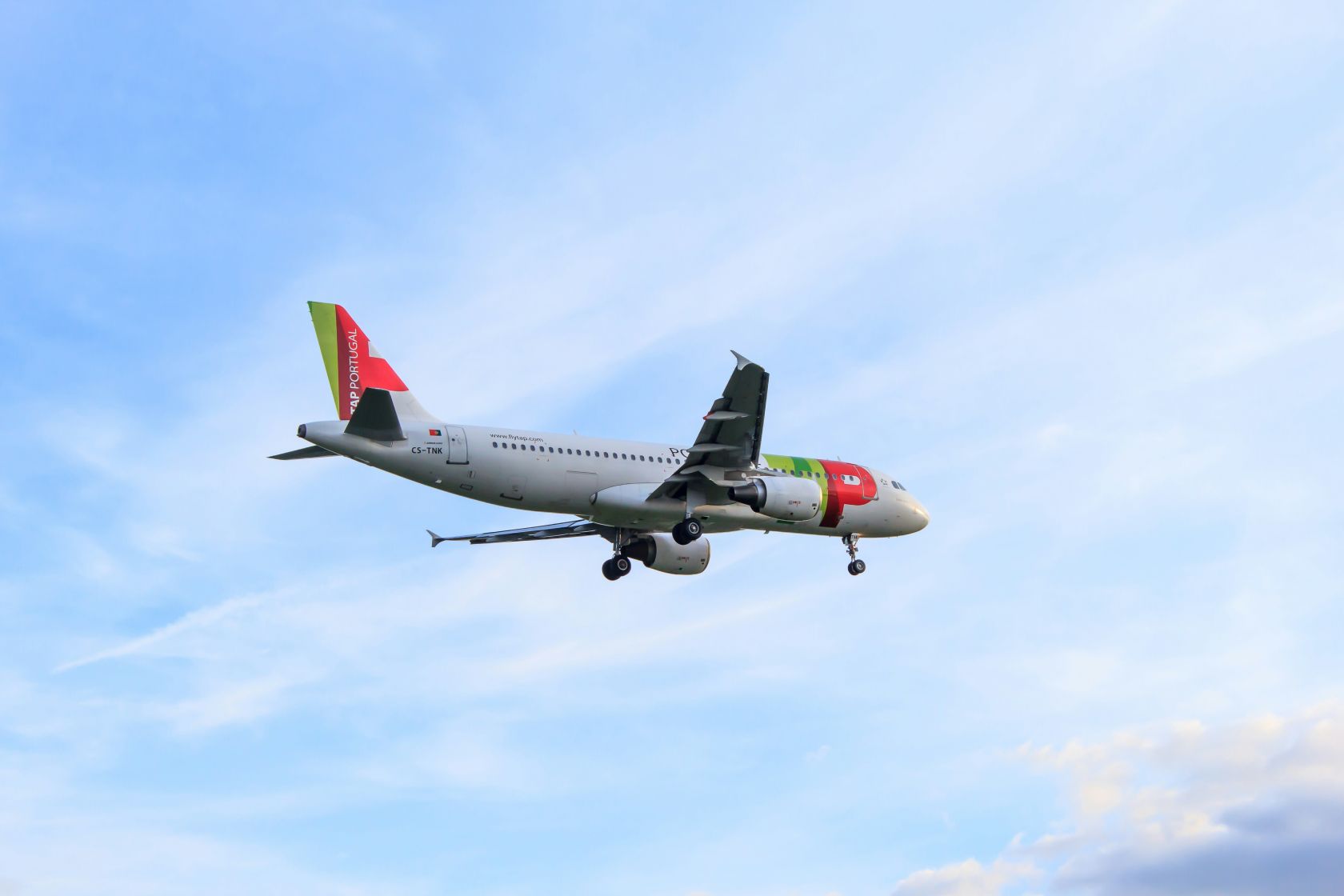
According to the head of the national carrier, the introduction of these new border controls could jeopardise adherence to scheduled takeoff times over the coming months, creating uncertainty regarding the responsiveness of airport infrastructure during the peak tourist season.
The management's warning comes at a time of financial consolidation for the company, which, despite closing the first quarter with a loss of €39.9 million, managed to mitigate the losses typically associated with this period (traditionally the weakest of the year for the aviation sector) by generating revenues of €914.4 million.
Luís Rodrigues emphasised that this financial performance reflects a focus on executing the outlined strategy, wherein the North and South American markets continue to play a crucial role in revenue growth, enabling a significant improvement in the group's operating results.
However, the TAP CEO made no secret of his unease about the outlook, stressing that the recovery in financial indicators was achieved against a strongly adverse external backdrop, marked by persistent bottlenecks in global supply chains and logistical challenges associated with the European Union's new passenger control model.
The actual impact of these measures on daily operations remains uncertain; however, the carrier fears that delays in security screening could ripple through flight scheduling.
The issue of airport accessibility and wait times has been at the centre of political and sectoral debate in Portugal. Representatives of the national tourism industry have publicly expressed fears that queues lasting several hours, recorded during both arrivals and departures, could ultimately tarnish the country's reputation as a premier tourist destination. In light of the bottlenecks observed at airport terminals, the Minister of Infrastructure, Miguel Pinto Luz, went so far as to issue a formal apology on behalf of the Executive, although other members of the Government point out that these delays are not unique to Portugal and assure the public that the problem will be mitigated in the short term.
 Add as a preferred source on Google










 Portugal Handbook
 English
 Nederlands
 Deutsch
 Français
 Español
 Italiano
 Svenska
 Pусский
 中文
中文 Türkçe
 Português
 Czech
Czech Hungarian
 Polski
 عربي
عربي Suomi
Suomi עִברִית
 Português (Brasil)
And that, friends, is one of the beautiful things about being an independent country rather than a vassal state. You can control your own airports and border securities without being told what to do from above. Maybe this idea of independence will catch on in Europe.
By Tony from USA on 28 May 2026, 21:48