


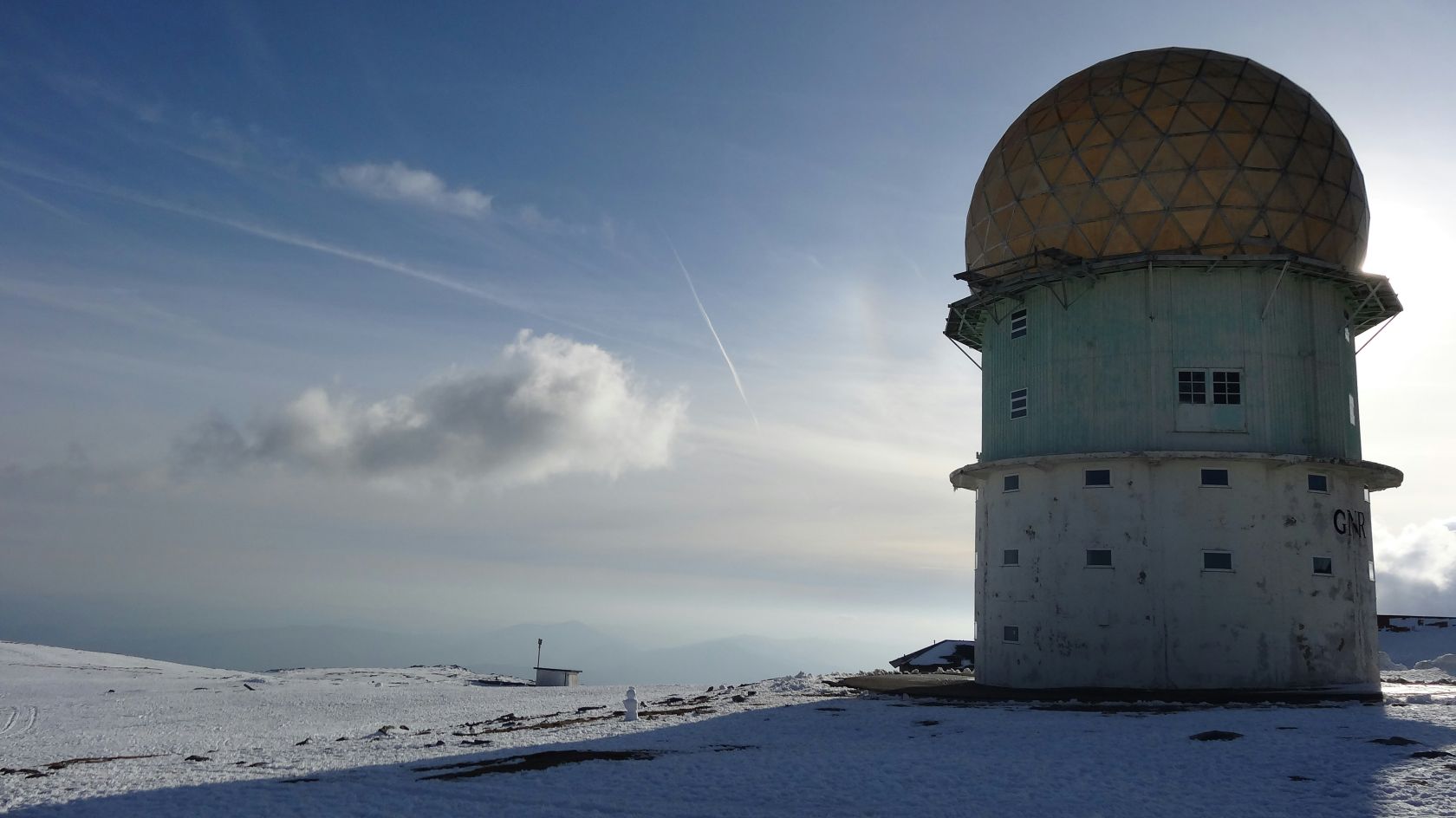
The Institute for Nature Conservation and Forests (ICNF) said in a statement that the approval of the application was announced at the 38th session of the International Coordinating Council of the Man and the Biosphere Programme (MAB), which has been taking place at the Itaipu Roga Convention Centre in Hernandarias, Paraguay, since 3 June.
With this approval, Portugal now has 14 UNESCO Biosphere Reserves (United Nations Educational, Scientific and Cultural Organisation), the ICNF noted.
Two UNESCO designations
The Serra da Estrela now holds two UNESCO designations for the same territory: the UNESCO Global Geopark, recognised in July 2020, and the Biosphere Reserve.
"The two statutes will be managed in an integrated manner, in a logic of joint governance that will allow for the optimisation of human, financial and material resources," said the ICNF.
According to the institute, the new Estrela Biosphere Reserve covers a total area of 2,372.99 square kilometres (km²), distributed across the six municipalities of the Serra da Estrela Natural Park: Seia, Gouveia, Celorico da Beira, Guarda, Manteigas and Covilhã.
Three complementary zones
The Estrela Biosphere Reserve is structured into three complementary zones: a Core Zone where the most relevant natural values are concentrated (212.55 km²), a Buffer Zone for ecological mediation (679.65 km²) and a Transition Zone dedicated to sustainable human activities (1,480.80 km², corresponding to 62% of the reserve).
The application was promoted by AGE - Associação Geopark Estrela, with scientific coordination by Helena Freitas, from the Centre for Functional Ecology of the University of Coimbra.
The ICNF highlighted that the initiative resulted "from a broad participatory process involving municipalities, civil society, the educational community and environmental organisations, based on the Co-management Plan of the Natural Park, approved in November 2024".
Active commitment
"This designation is not just international recognition, it is an active commitment to the global objectives of biodiversity conservation enshrined in the Kunming-Montreal Global Biodiversity Framework, and an opportunity to affirm Serra da Estrela as a national and international reference in innovative practices of sustainability and environmental education," the ICNF also stressed.
The Minister of Environment and Energy, Maria da Graça Carvalho, stressed that the recognition is "an opportunity to strengthen the sustainability of Serra da Estrela, putting innovation and environmental education at the service of communities and future generations".
In a statement released by the ministry, Maria da Graça Carvalho highlighted "the strong involvement of the mayors and civil society, who contributed so much to the success of the project, the role of the Estrela Geopark Association, which promoted the candidacy, and Professor Helena Freitas, who ensured its scientific coordination."
 Add as a preferred source on Google





 Portugal Handbook
 English
 Nederlands
 Deutsch
 Français
 Español
 Italiano
 Svenska
 Pусский
 中文
中文 Türkçe
 Português
 Czech
Czech Hungarian
 Polski
 عربي
عربي Suomi
Suomi עִברִית
 Português (Brasil)
Follow us on social media