


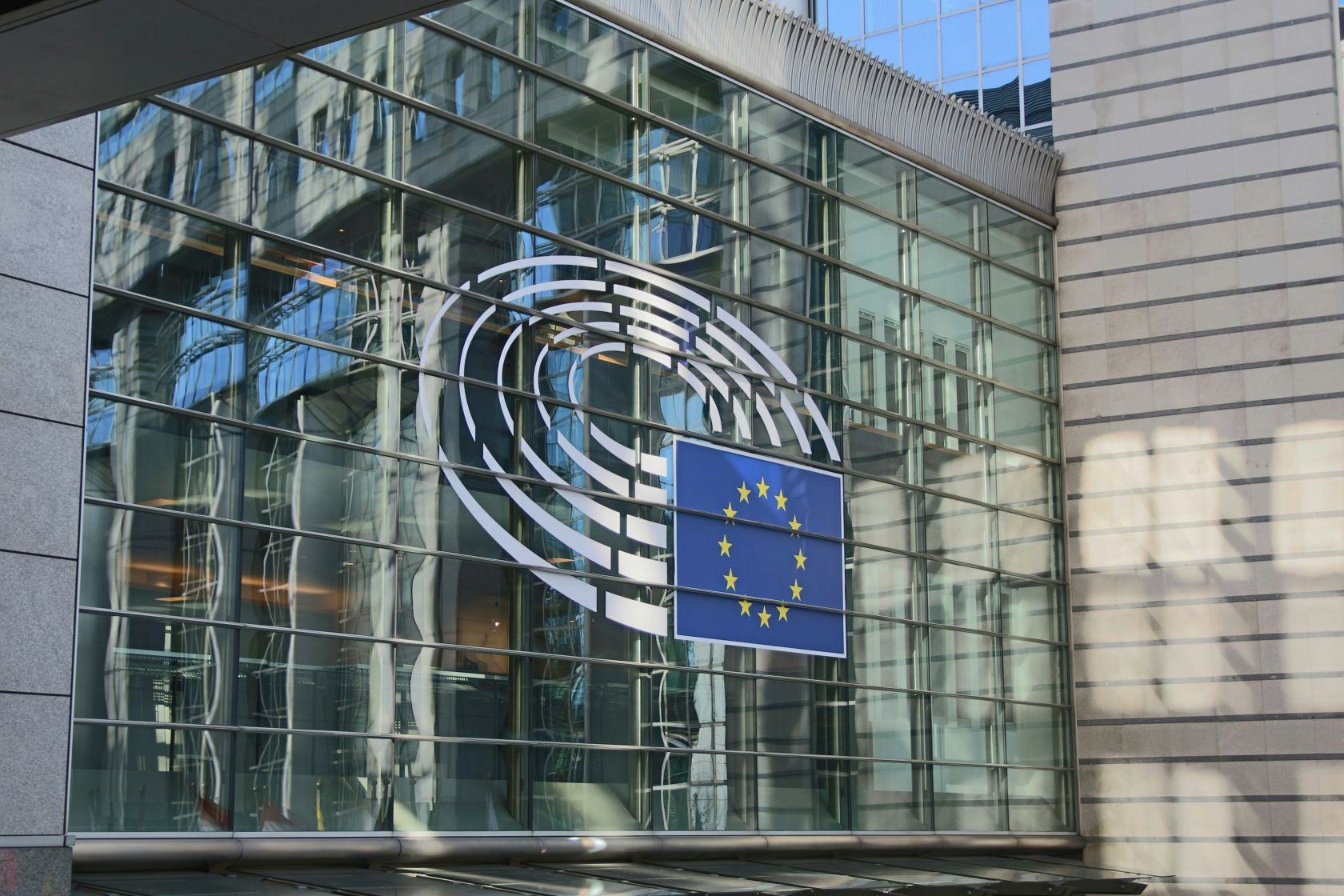
At a meeting in Brussels, this parliamentary committee gave the green light to its negotiating position on the creation of the digital euro, with 43 votes in favour, 14 against, and 1 abstention, within the framework of the so-called single digital currency package, which comprises three legislative initiatives.
"It is a historic day for Europe," said the chair of the European Parliament's Committee on Economic and Monetary Affairs, Aurore Lalucq, after the vote.
Digital Euro
In a released statement, the European Parliament argues that the digital euro should be a "secure, private and free" means of payment, available both online and offline, offering citizens and businesses "a private, secure and innovative way to pay," while reducing the European Union's dependence on external suppliers.
The digital euro is seen as a way to strengthen the EU's financial sovereignty, reducing dependence on international payment networks - such as the American Visa and Mastercard - through a European public alternative for digital payments.
Issuance by the ECB
Regarding its operation, the text provides that the digital euro will be issued by the European Central Bank (ECB) and will operate through an account-based system for online payments, while offline transactions can be carried out directly between local devices without an internet connection.
Privacy protection emerges as a central element of the proposal, with MEPs proposing advanced technologies that enable transactions to be validated without exposing personal data.
Limits on quantity
The European Parliament also proposes limits on the amount of digital euros that each citizen can hold to avoid negative impacts on the banking system and financial stability.
MEPs want these limits to be defined by the European Commission based on recommendations from the ECB and subject to periodic review.
Companies, in turn, will not be able to maintain permanent balances in digital euros, except to accumulate payments received for up to 24 hours.
Practical use
Regarding practical use, most companies will be required to accept payments in digital euros, although exceptions are foreseen for self-employed workers and micro-enterprises that do not accept other digital payment methods.
Basic services associated with the digital euro, including account opening, fund management and provision of payment instruments, should be free for users.
After approval, there is plenary approval by the European Parliament, followed by negotiations with the Member States (in the Council of the European Union), before the final adoption of the legislation.
 Add as a preferred source on Google





 Portugal Handbook
 English
 Nederlands
 Deutsch
 Français
 Español
 Italiano
 Svenska
 Pусский
 中文
中文 Türkçe
 Português
 Czech
Czech Hungarian
 Polski
 عربي
عربي Suomi
Suomi עִברִית
 Português (Brasil)
People will lose control of their own money. If someone wants to make a purchase that the EU doesn’t approve of, the purchase will be blocked.
By Joe from USA on 24 Jun 2026, 10:28