


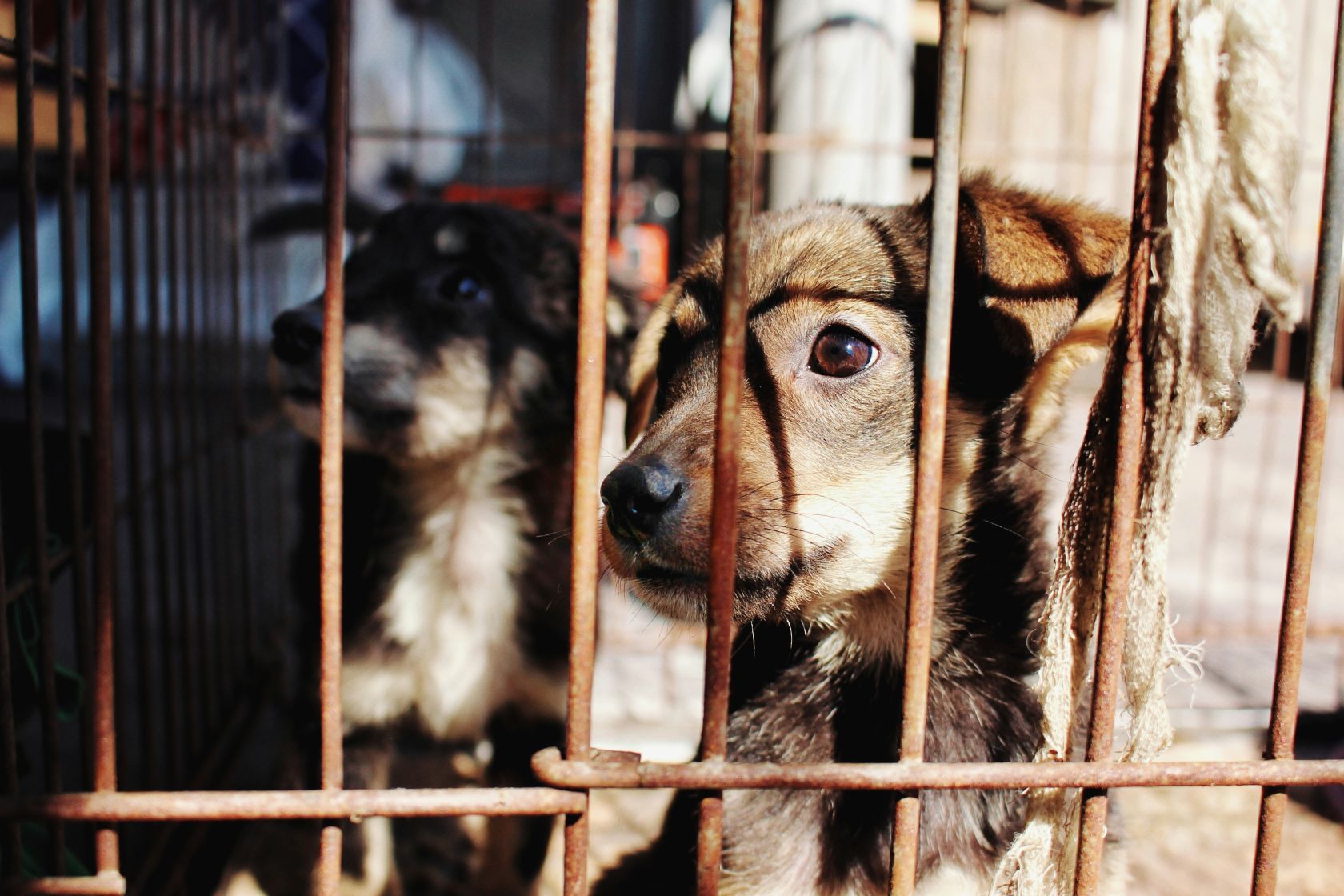
The initiative, first reported by the channel Now, seeks to establish a centralised monitoring mechanism that prevents individuals with such criminal records from acquiring, fostering, or placing animals in situations of risk or vulnerability.
The bill, championed by the parliamentary group led by Inês de Sousa Real, comes at a time when animal welfare associations are reporting gaps in enforcement and the judicial monitoring of convictions in Portugal, alongside persistent concerns regarding rates of abandonment and neglect.
The party—which recently developed a digital platform aggregating public data on animal welfare—argues that this new tool should provide competent authorities with rapid access to offenders' judicial histories, thereby strengthening preventive measures against reoffending.
Although the technical details and operational regulations of the measure are still subject to debate within the parliamentary committees of the Assembly of the Republic, the proposal is already poised to spark broad legal and social discussion.
The legislative process is expected to generate controversy among political parties, magistrates, and sector associations—particularly regarding the integration of the registry with personal data protection laws, the implications for criminal recidivism, and the actual effectiveness of current penal frameworks for crimes against companion animals.
 Add as a preferred source on Google







 Portugal Handbook
 English
 Nederlands
 Deutsch
 Français
 Español
 Italiano
 Svenska
 Pусский
 中文
中文 Türkçe
 Português
 Czech
Czech Hungarian
 Polski
 عربي
عربي Suomi
Suomi עִברִית
 Português (Brasil)
Thank you for reporting on these issues. They are important to a lot of us that see the abuses of animals daily here in Portugal and get frustrated that more is not being done to stop it. Awareness is a step closer to finding a solution, so thank you!
By Tami Cross from Algarve on 10 Jul 2026, 23:49
I approve of this measure and hope it becomes law. It should apply to all animals, not just to pets.
By JoeT from Algarve on 12 Jul 2026, 09:56