


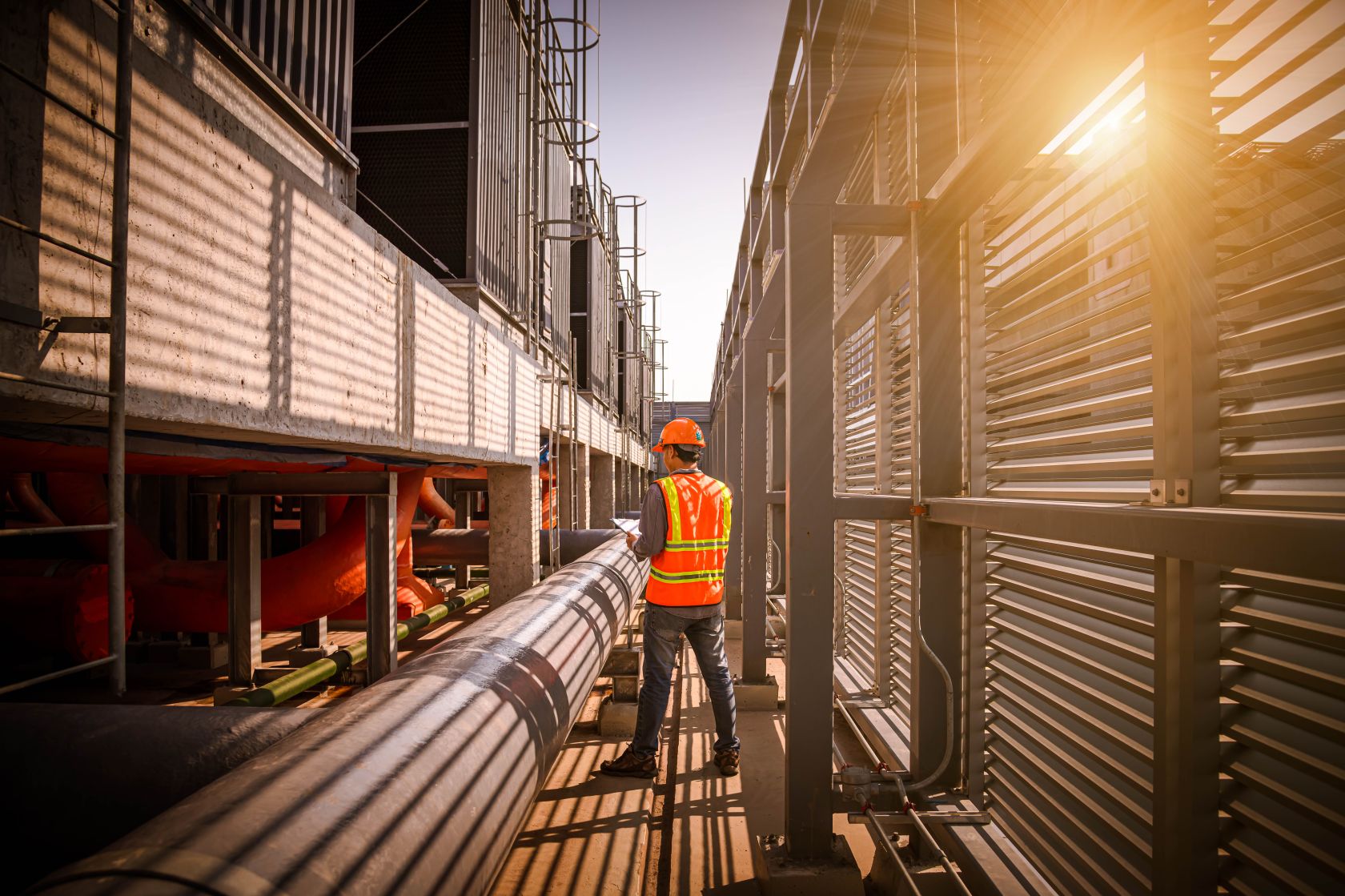
Today, this trend is beginning to reverse. Geopolitical tensions, the need to reduce strategic dependencies, the energy transition and the digitalisation of industry are leading many European companies to rethink where they produce. Reindustrialisation is no longer just a political objective and has become an economic necessity.
This change represents a very relevant opportunity for Portugal. The country brings together characteristics valued by international companies: political stability, full integration into the European market, strategic location between continents, growing capacity for renewable energy production and increasingly qualified human resources. Portugal also benefits from its proximity to the European market and the institutional trust it transmits in a context of growing nearshoring.
But there is an important difference between having potential and being able to turn it into investment. European reindustrialisation is generating strong competition between countries to attract new production units. Portugal does not compete alone. It competes with economies that are also simplifying processes, investing in infrastructure and creating conditions to receive international companies. This opportunity will also be a test of the country's ability to execute, with particular pressure to accelerate reforms, simplify administrative procedures and strengthen competitiveness in areas such as energy, taxation and financing.
In recent months, several announcements point in the same direction. Investments in data centres, artificial intelligence, aeronautical maintenance, space technologies, renewable energies and advanced industrial production show that Portugal is beginning to position itself in sectors with high added value. These are not isolated signs. They indicate a deeper transformation of the Portuguese economy.
Unlike in the past, Portugal no longer seeks to compete through low costs or large-scale production. Its advantage is increasingly in flexibility, adaptability, specialisation, and integration into international value chains. These are the factors that distinguish many Portuguese industrial companies and allow them to compete in highly technological niches.
The central question is simple: will we be able to respond at the speed of this opportunity? History shows that major economic transformations do not wait for countries that take too long to decide. The investment follows markets that offer predictability, speed of execution, and stability.
Portugal is now in a position to benefit from this new phase of European industry. The real challenge is no longer to convince the world of our potential, but to demonstrate that we can transform it into concrete projects, factories, skilled employment and sustainable growth. If we do so, European reindustrialisation could be one of the greatest economic opportunities that Portugal has known in recent decades. Otherwise, we run the risk of witnessing this transformation only from the bench.
Set The Portugal News as your preferred source for news on Google
 Add as a preferred source on Google








 Portugal Handbook
 English
 Nederlands
 Deutsch
 Français
 Español
 Italiano
 Svenska
 Pусский
 中文
中文 Türkçe
 Português
 Czech
Czech Hungarian
 Polski
 عربي
عربي Suomi
Suomi עִברִית
 Português (Brasil)
Follow us on social media