



By Mark de Stadler, Co Founder, C4S Global
Over the last 16 years, I’ve worked with leaders across the globe on how they communicate and perform in high stakes environments. One thing I’ve seen repeatedly is this: incredibly capable people can suddenly look far less capable than they really are the moment pressure increases.
Not because they suddenly know less, but because under pressure their thinking can be hijacked by stress. They over explain, become more technical, speak too quickly and try to prove their expertise at exactly the moment everybody is screaming out for clarity, confidence and business impact.
Senior decision makers do not want to know everything you know. They want to know whether your idea, product or service is going to help them make more money, save money or reduce risk. Frame your expertise around those outcomes and you make it easier for people to understand your value and make a decision.
Let’s go much deeper. If you want to perform under pressure, you need to understand three things: performance psychology, behavioural psychology and decision making architecture.

Performance psychology teaches us how to prepare to perform when pressure increases. Elite performers have applied these principles for decades, yet in business we often do the opposite. We spend hours building slides and scripts, but very little time practising how we will actually deliver the thinking behind them. Then someone senior pushes back and a normally capable person begins to crumble.
This is why learning how to self regulate matters. If you cannot manage your response to pressure, it becomes much harder to access the clarity and flexibility you need to influence somebody else. Mental rehearsal, visualisation and effective pre presentation practice are part of preparing to perform. It is what the best communicators do consistently.
Next is behavioural psychology. People are not simply processing your words. They are forming perceptions about you. Do I trust this person? Can they handle being challenged? Do they understand what matters to me? Your clarity, congruency and response under pressure all shape those judgments.
Then there is decision making architecture. Most communication training teaches people how to present information. Almost none of it teaches you how human beings actually make decisions. Decision making architecture is understanding how people filter information, assess risk, reduce uncertainty and ultimately decide whether to act.
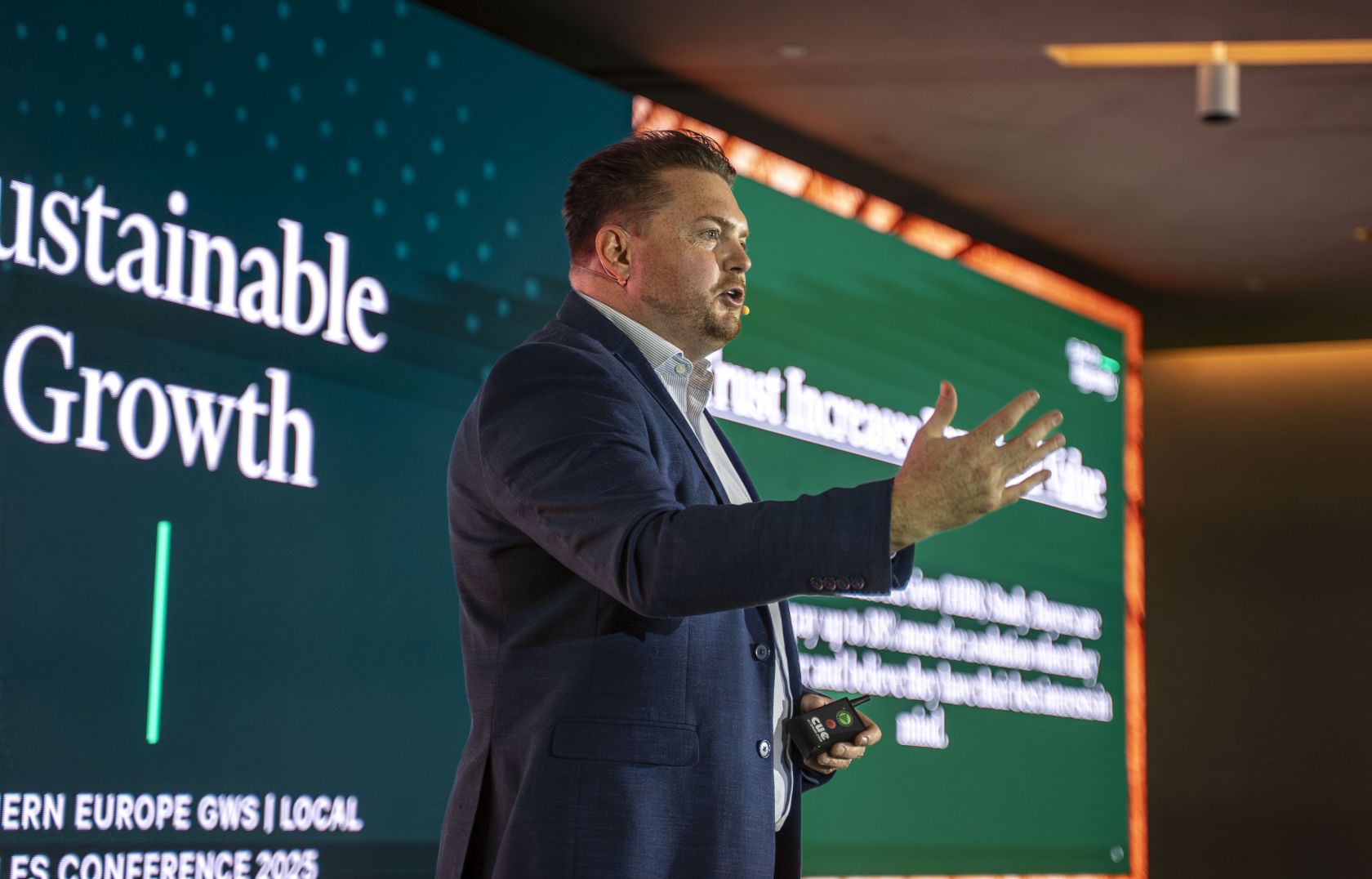
Decision makers have limited time and are processing huge amounts of information. If your communication forces them to work out why your idea matters, you are making the decision harder. When value is unclear, doubt increases and the conversation can quickly move towards frustration, irritation or, if you are selling something, price.
I have seen organisations with world class products and services lose opportunities because the people representing them could not articulate value clearly to the buyer. If you cannot communicate value, price becomes the battleground.
That is why executive presence is much broader than presentation skills. It is your ability to regulate yourself under pressure, build trust and credibility quickly, communicate with presence and impact, and frame your thinking around the commercial or strategic outcomes that matter.
Before your next important conversation, ask yourself three questions. What does this person actually care about? How does my idea help them grow, save money or reduce risk? And what are the three questions I least want them to ask me? Then rehearse those moments out loud, not in your head, and communicate the value in fewer words.
If any of this sounds relevant to you, join us for our two day in person Executive Presence Programme running in Porto on 1 and 2 October. The programme is limited to 12 senior leaders and only five places remain. Portugal News readers can access it for €1,500 including IVA until 28 August, after which the rate increases to €1,750 including IVA.
Our programmes carry a 97.8% NPS based on more than 1,000 reviews from senior leaders across major global organisations.
Contact C4S Global
support@c4sglobal.com
www.c4sglobal.com
Set The Portugal News as your preferred source for news on Google
 Add as a preferred source on Google






 Portugal Handbook
 English
 Nederlands
 Deutsch
 Français
 Español
 Italiano
 Svenska
 Pусский
 中文
中文 Türkçe
 Português
 Czech
Czech Hungarian
 Polski
 عربي
عربي Suomi
Suomi עִברִית
 Português (Brasil)
Follow us on social media