


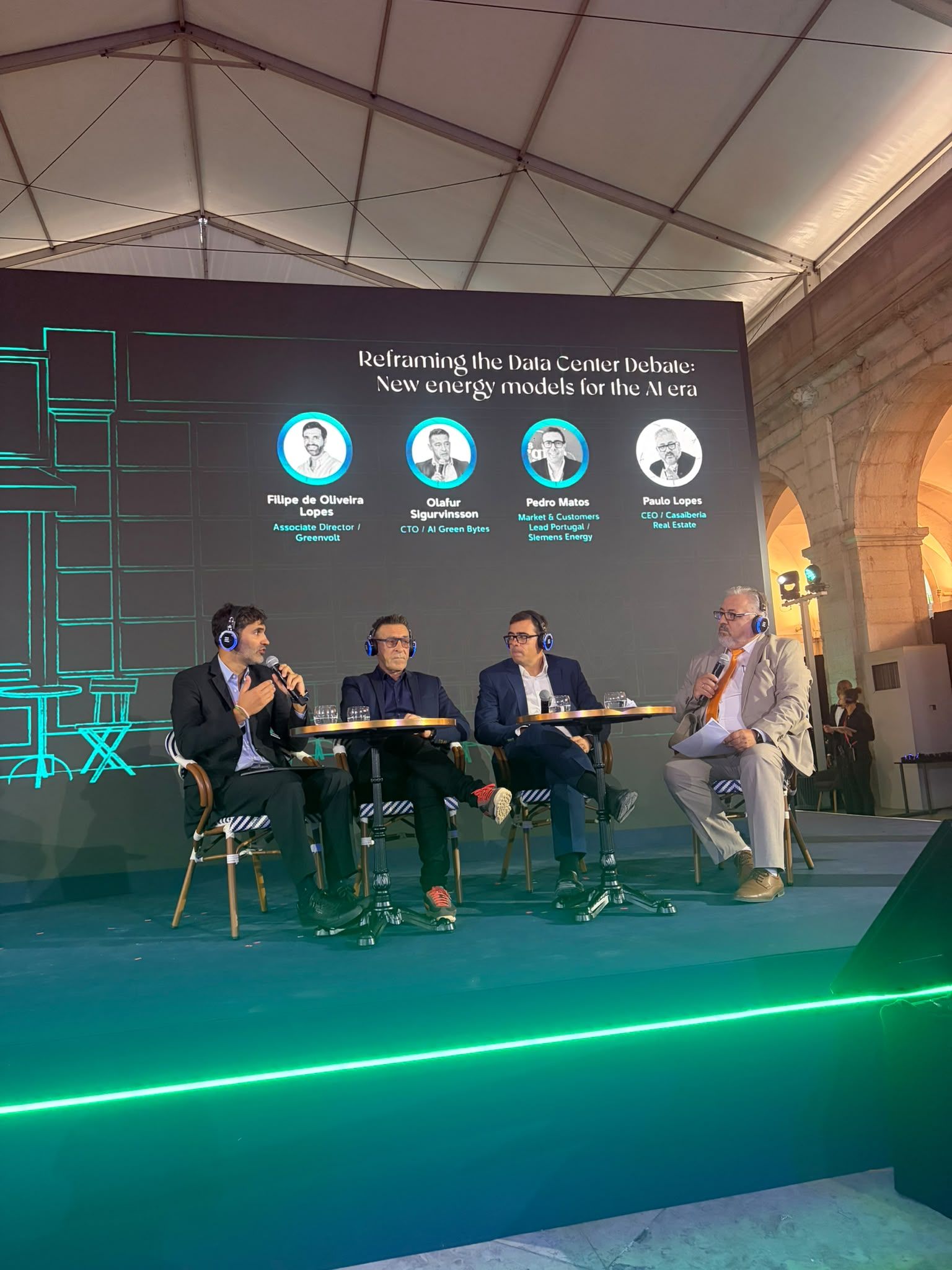
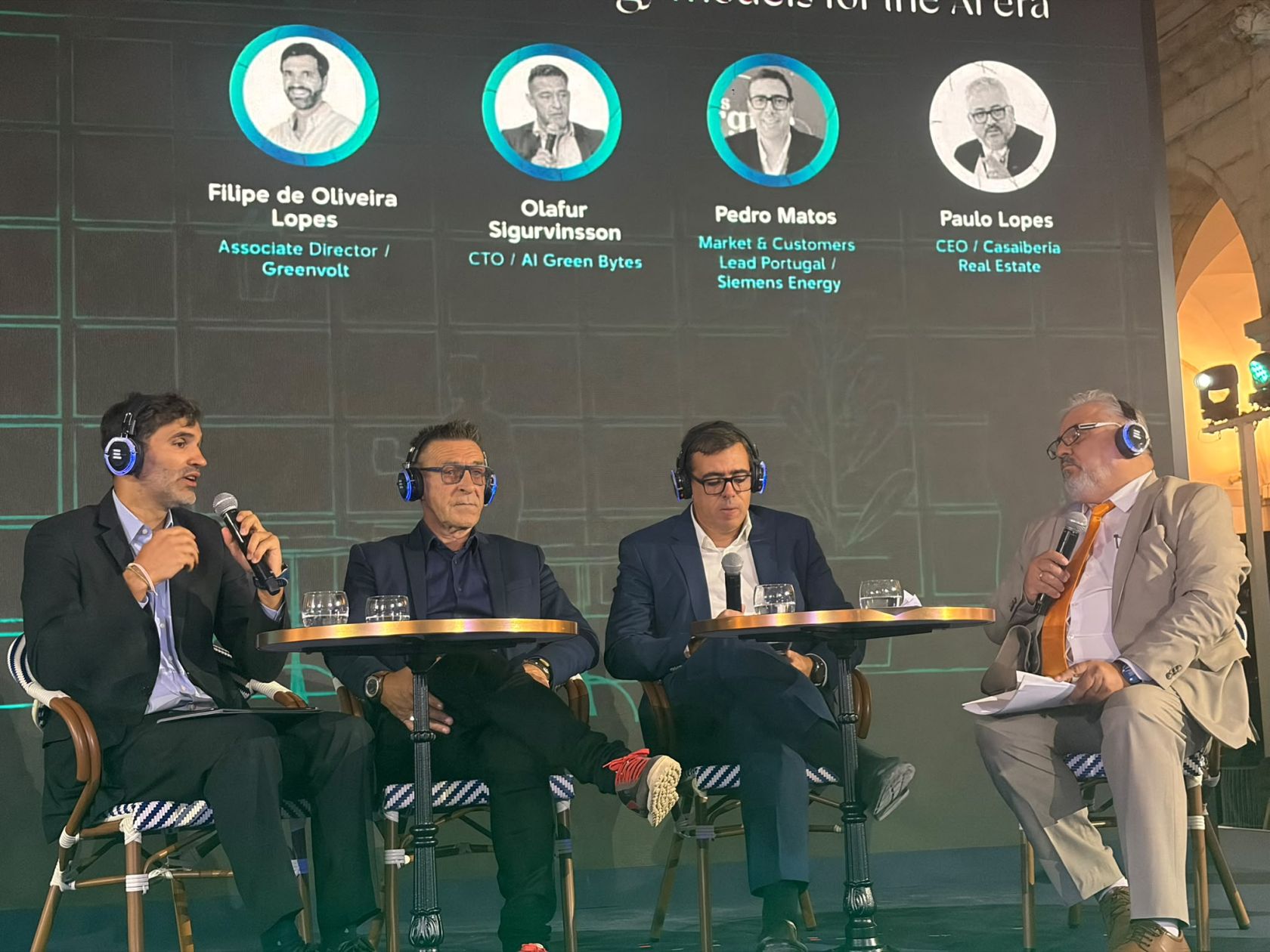
The first panel sought to rethink the debate on data centres and the new energy models needed for the era of artificial intelligence. The second discussed how real estate assets can contribute to expanding and densifying digital and artificial intelligence infrastructure. At first glance, they may seem like two different subjects. After listening to experts from these industries, it becomes clear that we are actually talking about the same transformation.
Artificial intelligence doesn't just exist in the cloud. Behind every application, model, or service are data centres, servers, processors, fibre networks, submarine cables, land, buildings, and a huge need for energy. As the demand for computing power increases, power, connectivity, and location are no longer secondary issues but determine where the new digital economy can grow.
It was precisely this convergence that most marked me throughout the event.
For too long we have treated energy, real estate and technology as independent sectors. Real estate developers were talking about land and buildings. The energy sector was talking about production, networks and storage. The digital industry was concerned with connectivity, data centres and computing power. Artificial intelligence is forcing all these worlds to sit at the same table.
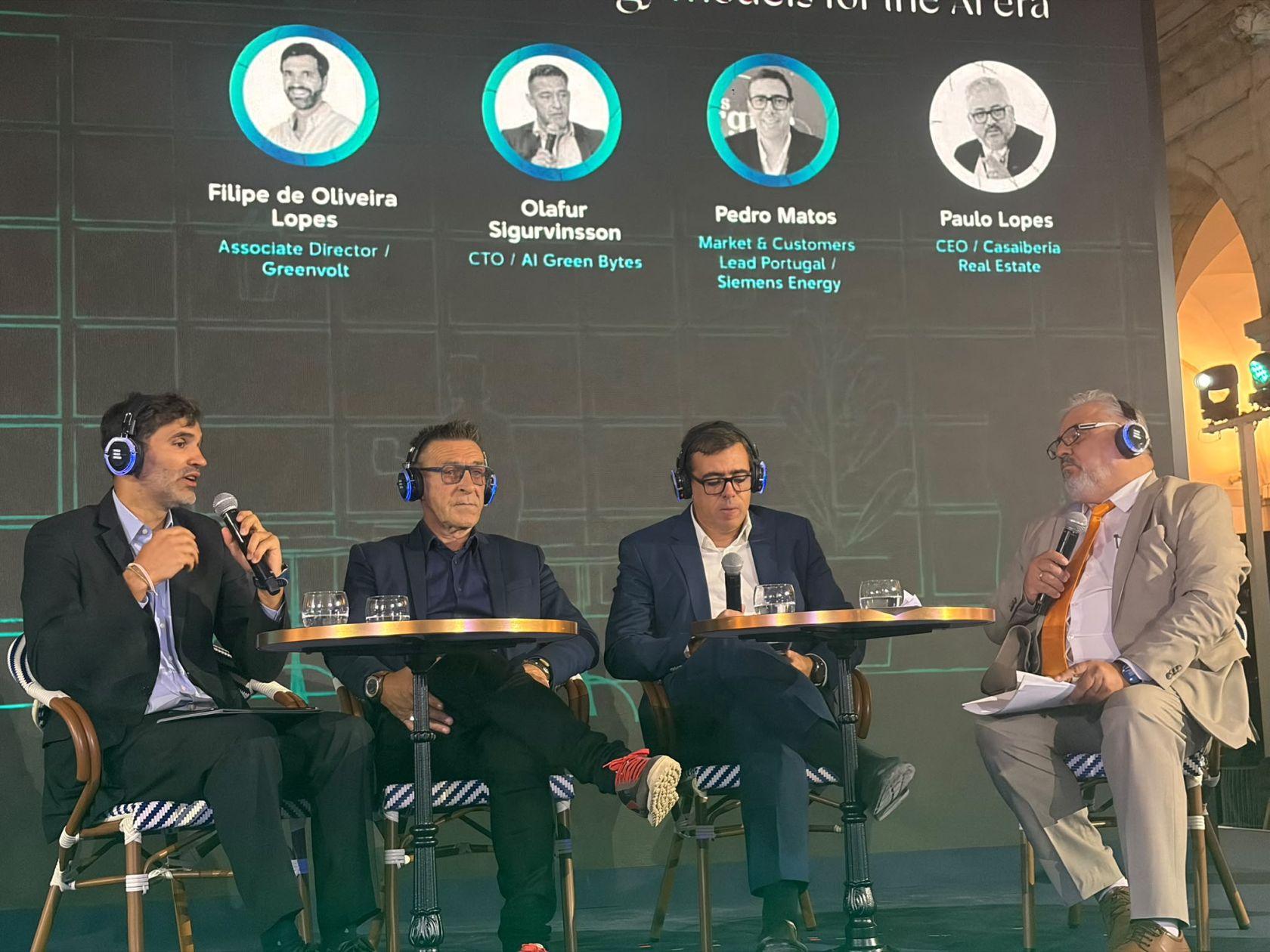
In the energy panel, we discussed exactly this. The growth of AI is creating unprecedented demand for computing power, but that capacity needs reliable, scalable, and sustainable energy. The question is therefore starting to be reversed: will we continue to bring energy to where we want to install data centres, or will we also start bringing digital infrastructure to where energy is available?
This difference seems small, but it can profoundly change the geography of the investment.
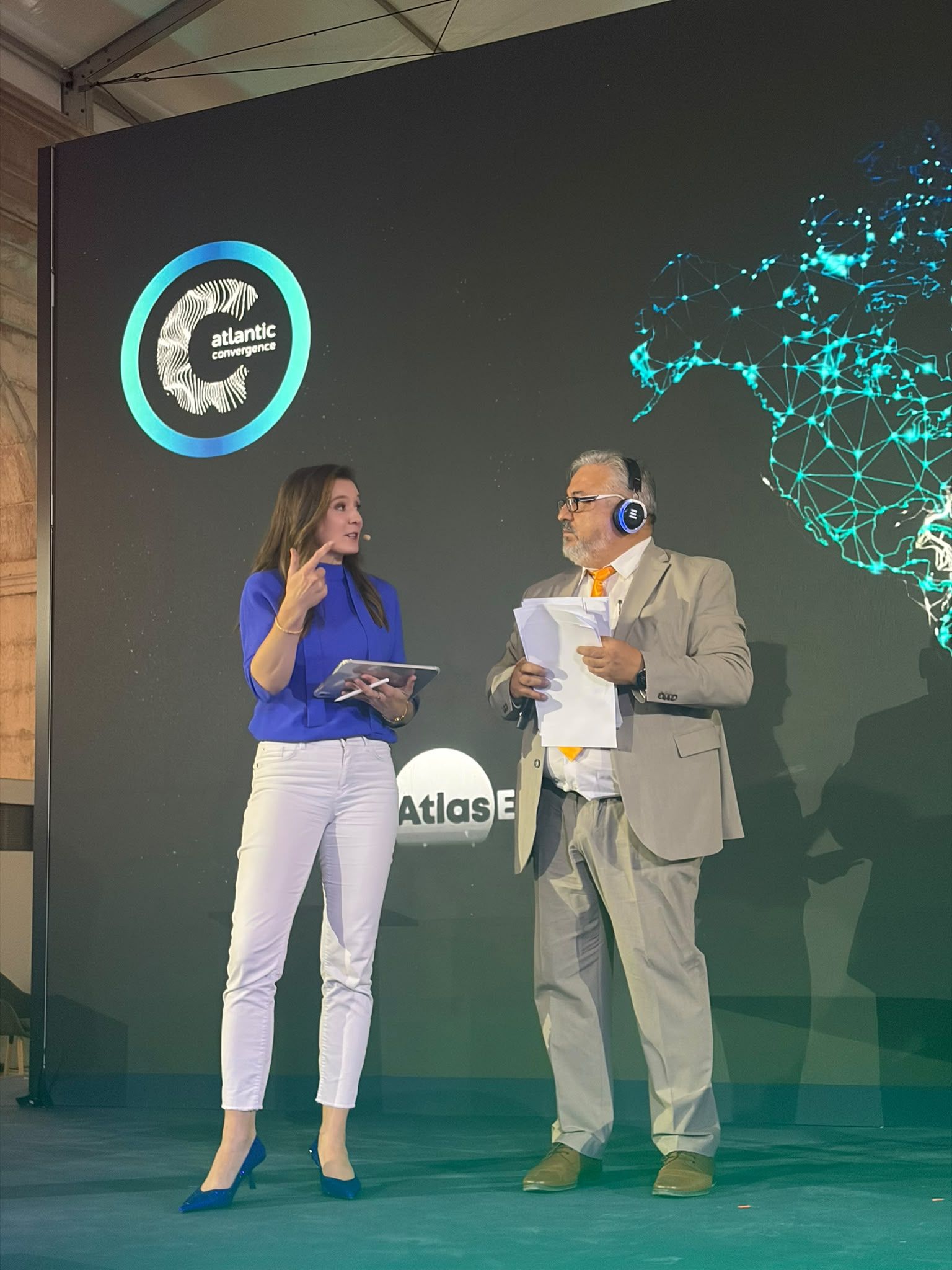
Portugal has an opportunity here that deserves to be understood. We have a privileged Atlantic position, international connections through submarine cables, growing capacity in renewable energies, territory, infrastructure and proximity to the main European markets. The event itself discussed Portugal as a potential Atlantic digital gateway, connecting Europe, the Americas and Africa through cables, terrestrial fibre and data centres. Markdown glued
But having these advantages does not automatically mean transforming them into savings.
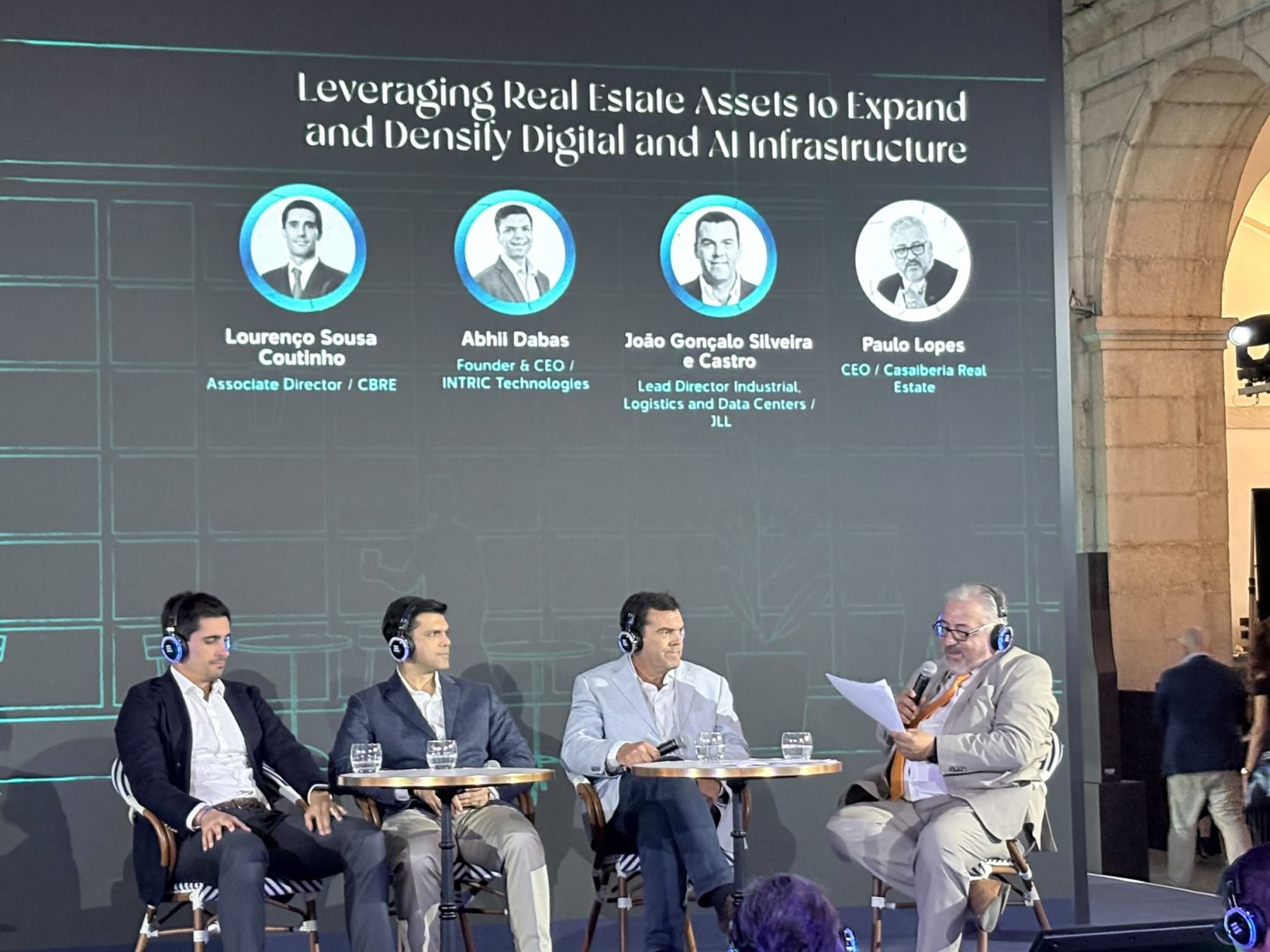
That is also why I wanted to bring real estate closer to this discussion. When we talk about digital infrastructure, the real estate sector can no longer think only about square meters. Industrial land, logistics parks, buildings and other assets are also beginning to be evaluated for the available energy, connectivity, licensing capacity and the possibility of receiving data infrastructure. In certain cases, real estate is no longer just the place where the infrastructure is installed to become part of the digital value chain itself.
This creates completely new opportunities for investors, owners, municipalities and developers who can understand this transformation in advance.
But perhaps the biggest conclusion I have drawn from these two days is another: the digital economy is becoming a physical economy.
We constantly talk about artificial intelligence as software. However, the next phase of AI will depend as much on GPUs and algorithms as it will on electricity, networks, land, buildings, cooling systems, energy storage, fibre, and submarine cables. The digital future needs a huge physical infrastructure to exist.
And it is precisely here that Portugal can find an extraordinary opportunity.
It is not enough, however, to have renewable energy, submarine cables or a good geographical location. We need to be able to connect these assets to each other, accelerate licensing, prepare territory, strengthen networks and, above all, make public and private decision-makers understand that these industries can no longer be planned separately.
Throughout the Atlantic Convergence, there was talk of digital sovereignty, energy, cybersecurity, data centres, connectivity, space, artificial intelligence and new digital geographies. There was also talk of the possibility of Lisbon, Madrid and Barcelona progressively functioning as an interconnected Iberian digital ecosystem, instead of relying exclusively on the traditional model of a single large hub. Glued markdown
These are discussions that may seem technical. They are not.
We are talking about investment, qualified employment, energy, territory, productivity, sovereignty and Portugal's ability to participate in one of the greatest economic transformations of the coming decades.
Perhaps that is why I am still surprised by how little attention these issues receive outside specialist circles. We are able to devote hours of television and newspaper pages to the same football match, while discussions that could influence billions of euros of investment and the country's future economic position remain virtually unknown to the general public.
It is not a question of stopping talking about football. It is also a matter of starting to talk about the economy that we are building.
After moderating these two panels, I became even more convinced of something I have been writing about: Portugal has a rare opportunity to put its energy, Atlantic location, connectivity and territory at the service of the new digital economy.
The opportunity is there. International capital is looking for where to invest. Technology is advancing. The demand for energy and infrastructure is growing.
The question now is whether we can put the pieces together quickly enough so that a relevant part of that economy can be built here.
Set The Portugal News as your preferred source for news on Google
 Add as a preferred source on Google







 Portugal Handbook
 English
 Nederlands
 Deutsch
 Français
 Español
 Italiano
 Svenska
 Pусский
 中文
中文 Türkçe
 Português
 Czech
Czech Hungarian
 Polski
 عربي
عربي Suomi
Suomi עִברִית
 Português (Brasil)
Follow us on social media