


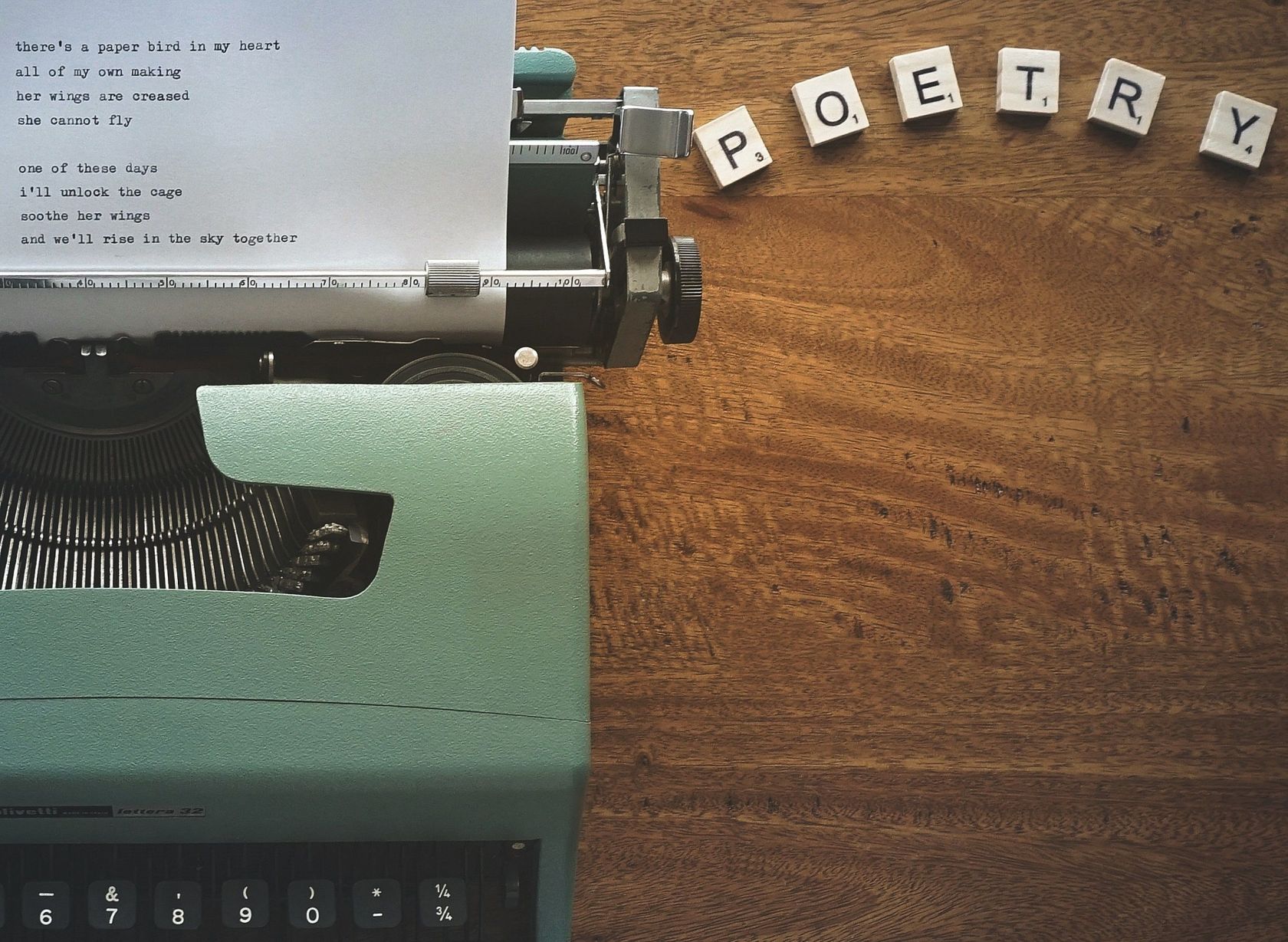
Many have read Wordsworth, Keats, Hardy, Milton, and Pope, not to mention Chaucer, Spencer, Shakespeare, and probably more - all classic poets, all dead now. They were all famed for their talent as wordsmiths, able to express ideas, feelings, and experiences through their arrangement of words.
But poetry is not always easy to understand, as its complexity can vary widely. The poetry from yesteryear has language not used today, which makes it not only hard to read but also hard to understand. Shakespeare, for example, wrote in Elizabethan English, with archaic words and different sentence structures than we use today. Some of the English written in the 1700s is barely readable, what with their f’s for s’s and flowery penmanship.
Poetry is a type of literature that conveys thoughts, maybe, or describes a scene or tells a story in a lyrical arrangement of words. Poems can be structured, with rhyming lines or with different stanzas or meters, or freeform - with no rhyming structure at all. A stanza is a group of lines in a poem similar to a paragraph, while a meter is the rhythmic pattern of stressed and unstressed syllables within those lines.
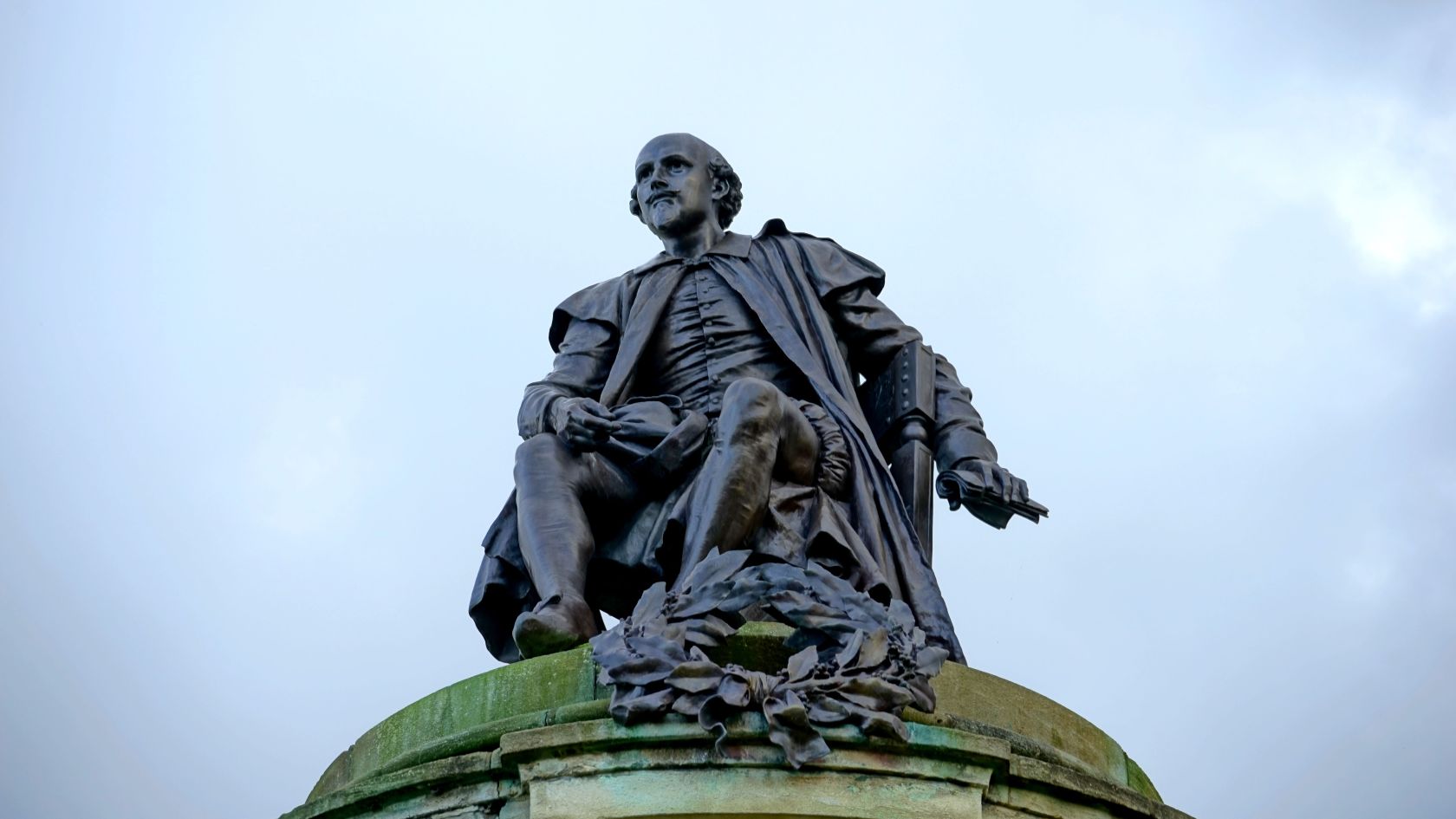
Different types
There are almost as many different types of poetry as there are poets! And, to be honest, I have no idea what some of them are.
Haiku, for one, sounds like a Japanese martial art, and it is Japanese, but has a pen rather than a sword! I’ve heard of limericks, odes, and sonnets, but Ekphrastic? Cinquain? Pantoum?
They come in all forms, from ‘dirty ditties’ that rugby players might sing – ‘Sweet Chariot’ is one that springs to mind, or ones that might start along the lines of: ‘There once was a young lady from Ealing, who liked to walk upside down on the ceiling….’ which is technically a limerick, a short, five-line poem with just one stanza, with an AABBA rhyme scheme and a bouncy rhythm. The subject matter of a limerick is often whimsical and funny.
History of Poetry
Poetry likely predates written language and was used for memorisation. People in the past learned sequences of words or phrases through chants, songs, and storytelling.
In rhythm and rhyme, it helped people remember important information like laws, genealogies, and history. Poetry is often closely related to music, and the earliest poetry took the form of hymns and other songs, such as chants.
Poetry is a verbal art – look at how many children’s chants for skipping, say, have a rhythm and rhyming words that have been passed down over the years. Many poems surviving from the ancient world are recorded as prayers or stories about religious subject matter.
Portuguese Poets
Oh yes, even Portugal has some famous ones, including Luís de Camões, considered Portugal’s national poet for his epic ‘Os Lusíadas,’ and Fernando Pessoa, a modernist known for his heteronyms. (In my ignorance, I had to look this one up: a heteronym means words which are spelt the same but have different sounds and meanings, such as tear meaning ‘rip’ and tear meaning ‘liquid from the eye’.)
Other notable poets are Sophia de Mello Breyner Andresen, a prominent 20th-century figure, Florbela Espanca, known for her lyrical poetry, and Almeida Garrett, a key figure in the 19th-century Romantic movement.
Poetry leads to jokes
You can get humour from a lot of different sorts of poetry. When you need to lighten the mood, a good ‘bad’ joke might do the trick, or a cheesy one-liner or a silly poem will likely create a smile.
Here’s a ‘for-instance’ example by Jack Prelutsky: ‘Imagine if your precious nose / were sandwiched in between your toes / that clearly would not be a treat / for you’d be forced to smell your feet’. Or this one by the late Spike Milligan entitled ‘Granny’: ‘Through every nook and every cranny /The wind blew in on poor old Granny / Around her knees, into each ear / (And up nose as well, I fear)’.
Yes, we have to thank our poets for their poems. Even if some of them don’t rhyme.
Set The Portugal News as your preferred source for news on Google
 Add as a preferred source on Google








 Portugal Handbook
 English
 Nederlands
 Deutsch
 Français
 Español
 Italiano
 Svenska
 Pусский
 中文
中文 Türkçe
 Português
 Czech
Czech Hungarian
 Polski
 عربي
عربي Suomi
Suomi עִברִית
 Português (Brasil)
As a Portuguese poet, I was sad to read both the deprecatory "even Portugal" and the mistaken definition of Fernando Pessoa´s heteronyms as words of siimilar sound but different spelling. In fact, they are literary personalities created with biographies by Pessoa but with ideology and style quite different from his own. This enabled him to conduct debates with his inner self and resulted in poems of exceptional quality.
Albert Caeiro the poet of nature, Ricardo Reis a doctor and classicist and Àlvaro de Campos a naval engineer and modernist were all published as individuals. A selection of their work can be read in "28 Portuguese Poets" , a bilingual antholgy which is an excellent introduction and demonstrates that "even" Portugal has some of Europe´s finest modern poets. Roberto Cavaleiro
By Cavaleiro R. from Other on 30 Aug 2026, 12:08