


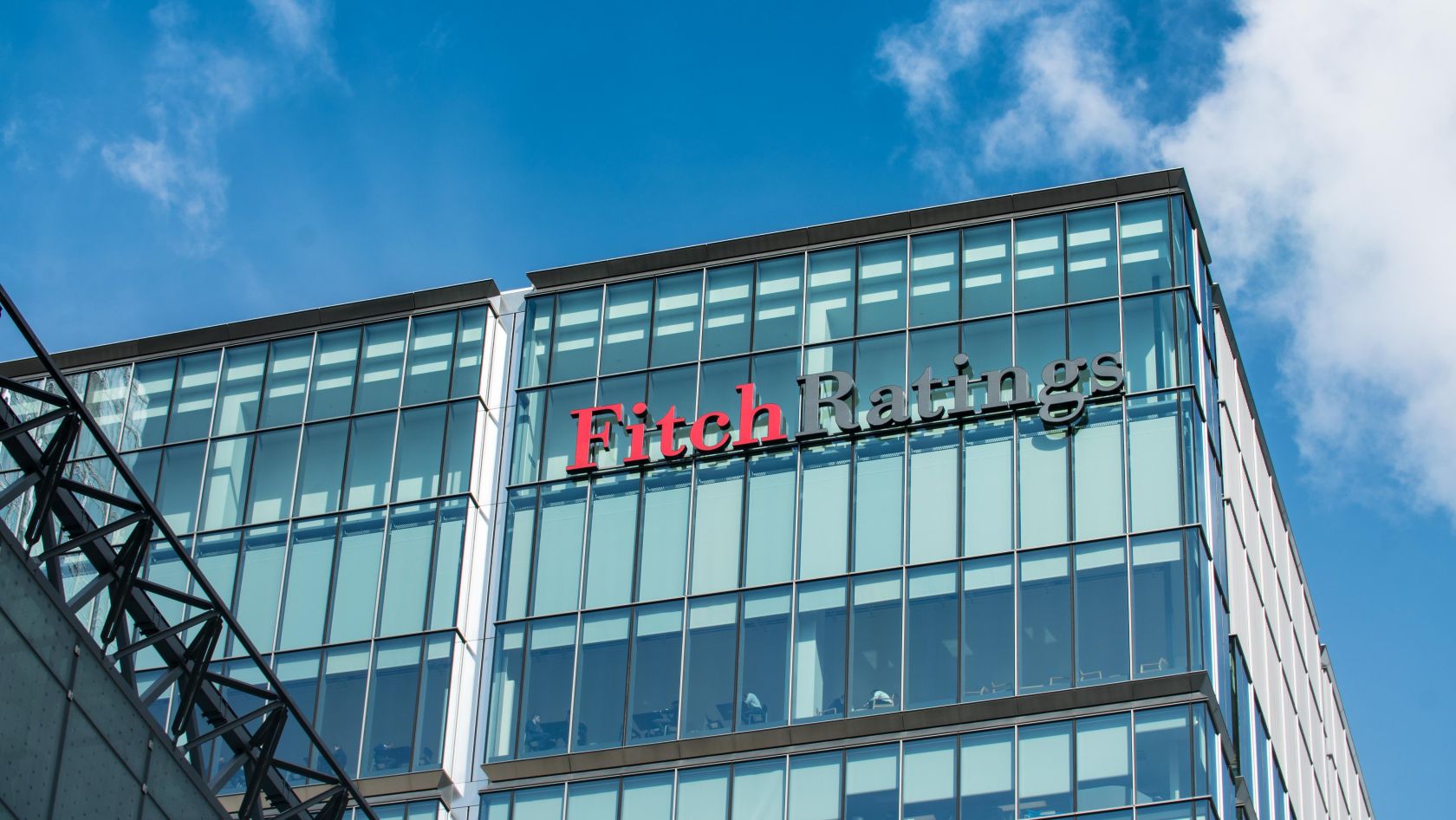
Today, Fitch has just upgraded the Republic's rating to A+, with a stable outlook, putting the country on par with economies such as France and Belgium and leaving only six Eurozone countries with a higher rating. It is difficult to find a clearer picture of Portugal's financial transformation.
Fitch justifies the decision with the strengthening of public finances, the successive fiscal results, the prudence followed over the last few years and, above all, the downward trajectory of public debt. The agency predicts that it will increase from 89.7% of GDP in 2025 to 87% this year and 82.9% in 2028. More importantly, it considers that Portugal has improved its economic resilience and capacity to absorb shocks. It is precisely this margin that we did not have when the sovereign debt crisis hit.
We should not romanticise the Troika. It was an extremely difficult period for families and companies and had profound economic and social costs. But perhaps it left a legacy that we are beginning to value today. Portugal learned, the hard way, that persistent fiscal imbalances have consequences and that financial confidence takes years to achieve, but can disappear quickly. Since then, governments of different political orientations have maintained a concern with public accounts and debt reduction. Perhaps this is one of the most important and least recognised structural reforms of recent decades.
The change becomes even more evident when we look at Europe. Portugal, Spain and Greece, which fifteen years ago symbolised the financial fragility of southern Europe, today have a debt dynamic that the markets value, while some of the large economies face increasing difficulties. This does not mean, of course, that Portugal has an economy comparable to the French one in size, income or productivity. It means that investors do not just look at what a country is. They also look at the direction in which it is heading.
We should also not interpret A+ as a mission accomplished. Fitch itself identifies low productivity as a limitation to potential growth. We continue to need more investment, bigger companies, better wages, innovation, and greater execution capacity. But we face these challenges in an incomparably better financial position.
Perhaps this is the real news. It took Portugal more than a decade to transform distrust into credibility. This confidence reduces risk, improves financing conditions and makes the country more attractive to those looking to invest for the long term.
The Troika has taught us how much it costs to lose the confidence of the markets. A+ reminds us how much it is worth to recover it. The big responsibility now is to make sure that we don't waste it again.
 Add as a preferred source on Google







 Portugal Handbook
 English
 Nederlands
 Deutsch
 Français
 Español
 Italiano
 Svenska
 Pусский
 中文
中文 Türkçe
 Português
 Czech
Czech Hungarian
 Polski
 عربي
عربي Suomi
Suomi עִברִית
 Português (Brasil)
Follow us on social media