


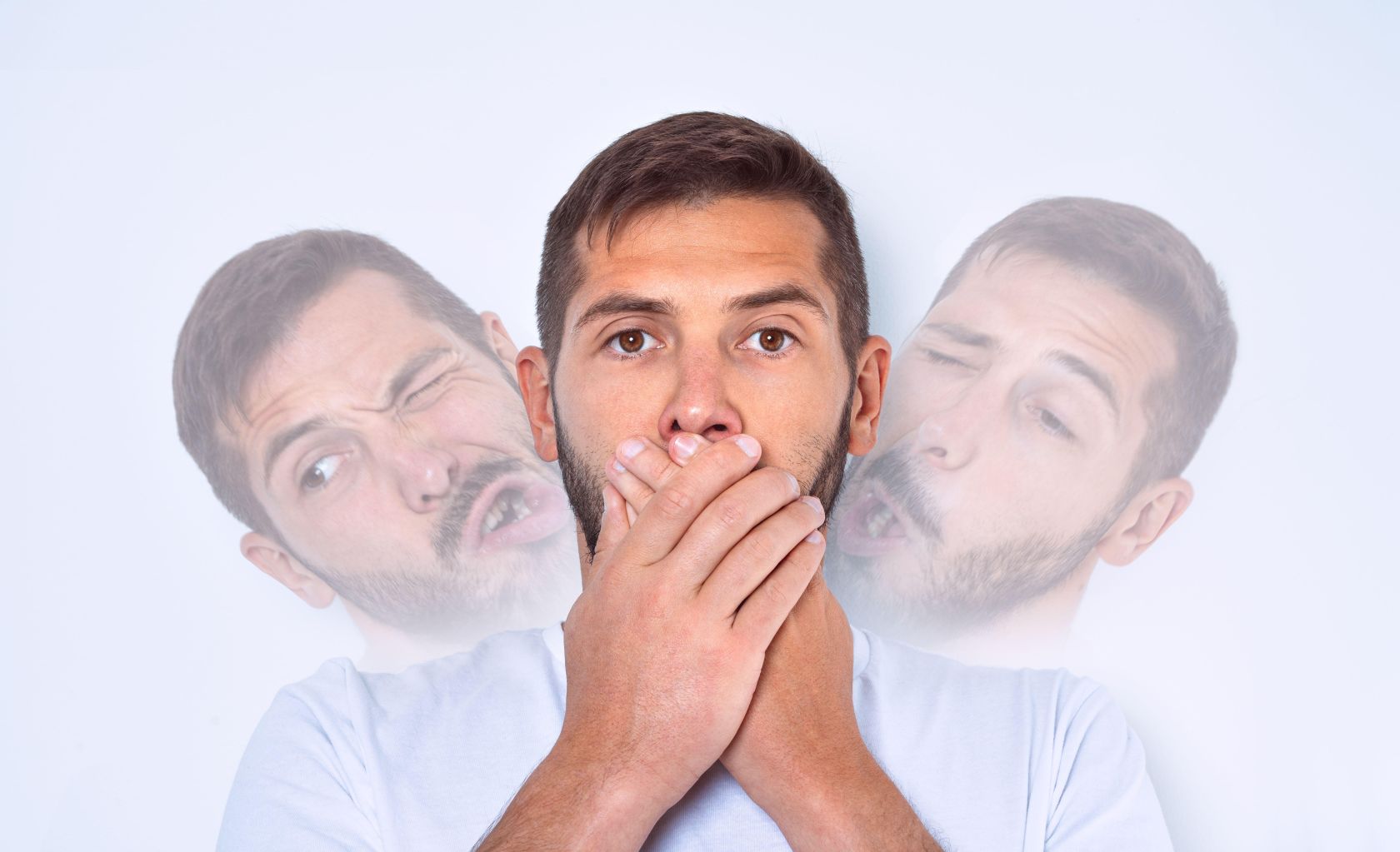
1. Diagnosis requires tics to have been present for at least a year
“Tourette Syndrome (TS) is a neurological disorder and is diagnosed based on the presence of involuntary motor and vocal/phonic tics, which must be present for at least 12 months to meet the diagnostic criteria,” says Davies.
2. Tourette Syndrome covers a huge range of behaviours
“Tics can range from mild, which include things like blinking and throat clearing, to very extremely severe and include serious things like coprolalia (inappropriate words and phrases) or copropraxia (offensive hand gestures),” says Davies.
“There is also something called NOSI (which stand for non-obscene socially inappropriate behaviour or symptoms) which can get people into a lot of difficulty. Some people may also present with self-injurious behaviour where, by virtue of their tics, they hit themselves.”
3. TS isn’t just about swearing
One of the biggest misconception around Tourette Syndrome is that everybody with the condition will swear or say socially inappropriate things.
Coprolalia is the clinical term for tics that produce socially unacceptable words, but only approximately 10-30% of people with TS have this symptom, according to Tourettes Action’s website.
“The bias or stigma attached with the label Tourette Syndrome is largely to do with the negative media bias placed on TS, which is largely focused on coprolalia,” says Davies. “That’s what is usually shown on TV and is often what the social media algorithm will feed you, but it doesn’t show the whole picture.”

4. Tics are involuntary
“Tics are involuntary, but some people have something that they call a ‘premonitory sensation’, which is a bit like feeling you get before you sneeze,” notes Davies. “Some people say they feel a tickle or a sensation in their body that signifies that tics are coming on, but that doesn’t mean that they can help it.”
5. Some people adopt strategies to suppress the tics
“Some individuals can suppress their tics for a certain length of time, but often within that period it’s like a pressure cooker building up which feels very uncomfortable,” says Davies. “Then often what happens is a ‘rebound’ where by virtue of holding the tics in, when they do then come out, they come out in a more explosive, severe way.
“That’s why sometimes it can be helpful for them to go to a safe place to let their tics out.”
6. People tend to have their own specific environment triggers
“It’s quite difficult to monitor treatment response to TS because the nature of the tics can get better and worse over months and weeks for no obvious reason, and the term we use is waxing and waning,” says Davies. “However, there’s often environmental variability, and for each child or individual that differs.”
During an assessment, Davies says she will ask her patients questions about what tends to make their tics worse, and what makes them better.
“For example, some people will say when they’re relaxed and watching TV, that’s when their tics will come out, but others will say that’s when their tics are better. So, it depends on the individual,” says Davies. “However, stress, tiredness, anxiety, frustration and hunger are all common things that people often report that make their tics worse.”
7. Co-occurring conditions are very common
Up to 85% of people with TS will also experience co-occurring conditions and features which might include attention deficit hyperactivity disorder (ADHD), obsessive compulsive disorder (OCD), and anxiety, according to Tourettes Action’s website.
“When I’m doing an assessment for tics, it’s just as important to take into account all of these aspects, because something like the OCD might be the thing that’s actually affecting their lives more,” says Davies.






 Portugal Handbook
 English
 Nederlands
 Deutsch
 Français
 Español
 Italiano
 Svenska
 Pусский
 中文
中文 Türkçe
 Português
 Czech
Czech Hungarian
 Polski
 عربي
عربي Suomi
Suomi עִברִית
 Português (Brasil)
Follow us on social media