


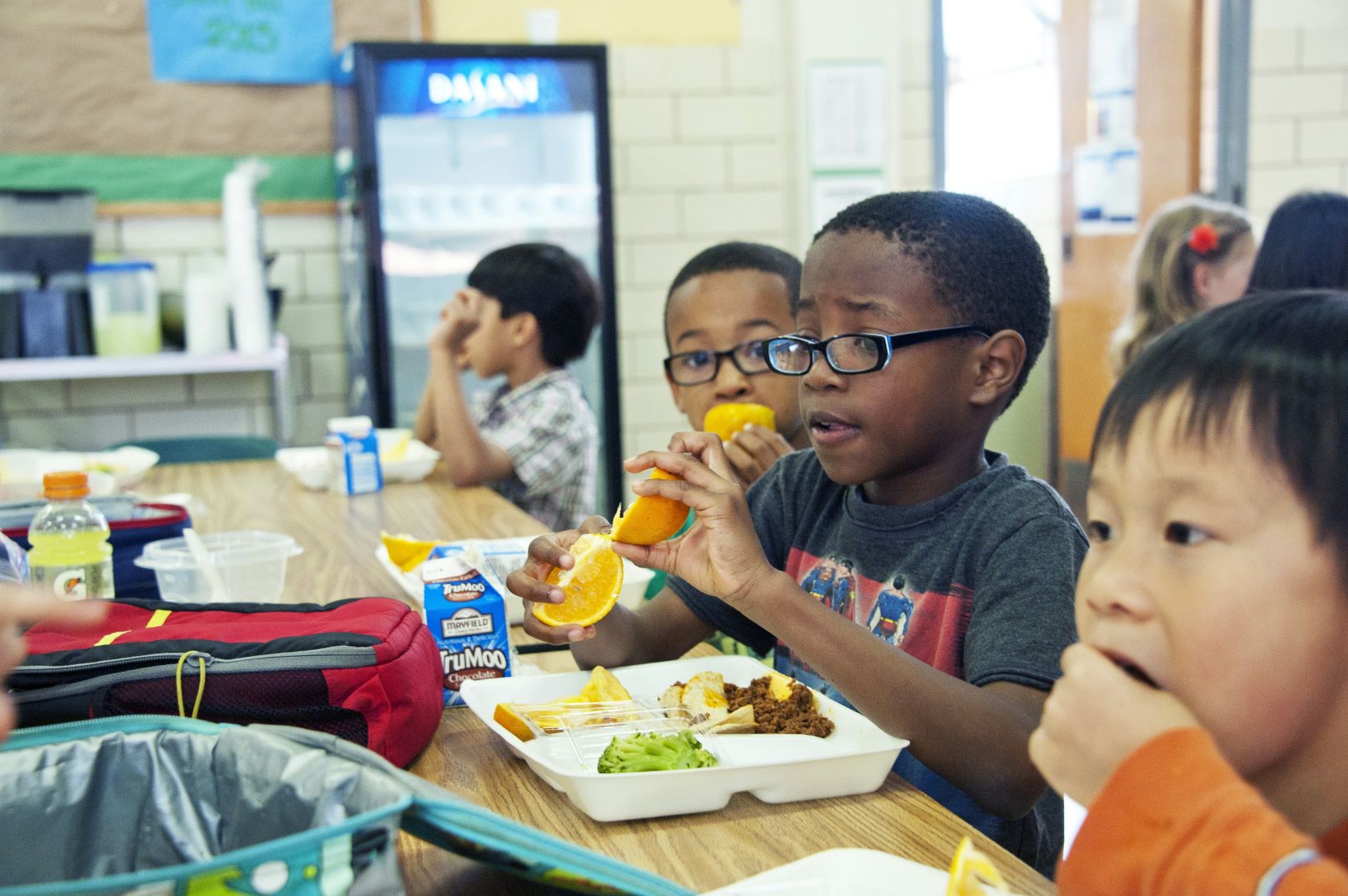
“The document aims to support institutions in providing food that is nutritionally adequate, safe, and tailored to the needs of children in their early years,” states the Directorate-General of Health (DGS).
Developed in collaboration with the Social Security Institute, the Institute for Education, Quality and Assessment (EduQA), and the Child Guarantee initiative, the document sets out recommendations regarding foods to be provided and those to limit, the number and composition of meals, portion sizes, and the progression of food textures based on the child’s age and development. It also includes guidelines to support continued breastfeeding.
Key principles include promoting and protecting breastfeeding; dietary diversity and high nutritional density; appropriate portion sizes and textures; and limiting ultra-processed foods, as well as products with added sugars or high salt content.
For the DGS, food safety also plays a central role. In addition to hygiene and food safety rules, the DGS recommends adapting texture, consistency, shape, and size to each child’s developmental stage and abilities.
The guidelines recommend the daily consumption of fruit, vegetables, and foods from the meat, fish, egg, and dairy groups, as well as the frequent consumption of legumes and nuts, always in forms and textures appropriate for the child’s age and development.
Dietary plans should prioritise nutrient-dense foods, foods that provide significant amounts of vitamins, minerals, high-quality protein, and other essential nutrients per unit of energy. The DGS notes that the first 1,000 days of life (from conception to approximately two years of age) are “particularly relevant” for a child’s growth and development, as well as for the formation of dietary preferences and habits that impact lifelong health.
Menus should follow the “Food Wheel” model, ensuring the inclusion of foods from various groups and diversity within each group. Preference should also be given to seasonal, locally sourced foods and traditional, healthy cooking methods, such as soups, stews, and fish stews.
The document also includes guidelines on vegetarian diets, food allergies and intolerances, and therapeutic diets, along with practical suggestions for lunches and snacks.
Furthermore, the DGS highlights inequalities in access to healthy, nutritionally adequate food, emphasising that for many children, daycare centres are where they spend much of the day and eat several meals; these settings influence daily food intake, the development of preferences, and the development of food-related skills.
The “Creche com Sabor e Saúde” (C2S) study, funded by the DGS, identified a high prevalence of foods rich in simple sugars in snacks and an imbalance in the composition of main meals, characterised by an excessive supply of carbohydrate-rich foods and an insufficient supply of vegetables, legumes, fatty fish, and eggs as the primary protein source.
According to the DGS, these results highlight the need to harmonise practices and provide technical support to institutions in promoting a nutritionally adequate diet.
Set The Portugal News as your preferred source for news on Google
 Add as a preferred source on Google






 Portugal Handbook
 English
 Nederlands
 Deutsch
 Français
 Español
 Italiano
 Svenska
 Pусский
 中文
中文 Türkçe
 Português
 Czech
Czech Hungarian
 Polski
 عربي
عربي Suomi
Suomi עִברִית
 Português (Brasil)
Follow us on social media