


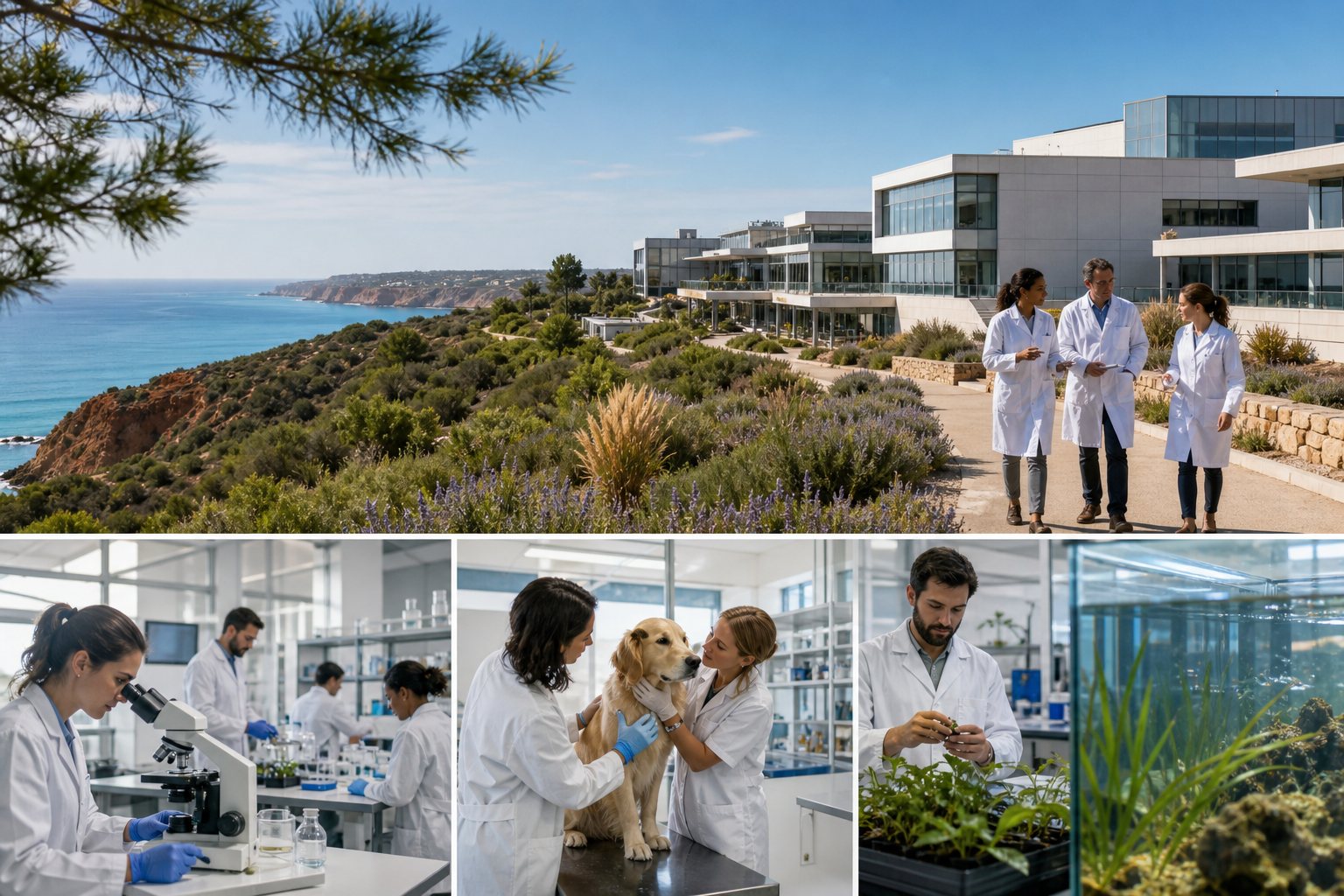
Through its commitment to the One Health approach, the country is uniquely positioned to become a European and global reference in health innovation. By leveraging its world-class research institutions, dedicated patient associations, and the Algarve's exceptional quality of life, Portugal can establish a pioneering health hub that integrates human, animal, and environmental health.
Understanding One Health
One Health is a strategic framework that recognizes the interdependence between human health, animal health, plant health, and the environment. This integrated approach promotes collaborative, multisectoral action to address complex health challenges such as zoonotic diseases, antimicrobial resistance, food safety, and climate-related health risks. The World Health Organization, the Food and Agriculture Organization, and the World Organisation for Animal Health jointly define One Health as "an integrated, unifying approach that aims to sustainably balance and optimize the health of people, animals, and ecosystems."
The relevance of One Health has never been greater.
Portugal's One Health Momentum
Portugal has embraced One Health through initiatives such as its participation in the European Partnership on One Health – Antimicrobial Resistance (OH-AMR), represented by the Foundation for Science and Technology (FCT) and the Agency for Clinical Research and Biomedical Innovation (AICIB). This partnership unites 53 organizations from 30 countries to combat antimicrobial resistance through research, innovation, and policy coordination.
Leading Portuguese institutions—including i3S (University of Porto), ICBAS, CECA, and the One Health Institute at Lusofona University—are actively developing One Health projects, training programs, and international conferences.
In 2026, Portugal's global health profile rose further when the 9th World One Health Congress was held in Lisbon (September 4–7), with IHMT NOVA as an institutional partner and sponsor. Additionally, EMBL is collaborating with Portuguese partners to establish the country's first Centre of Excellence in Genomic Medicine, reinforcing Portugal's role in integrative health research.
The Strategic Case for a Health Hub in the Algarve
While Lisbon and Porto have established themselves as centers of research excellence, the Algarve offers unique strategic advantages for a One Health hub that combines cutting-edge science with an exceptional quality of life.
Climate and Quality of Life: The Algarve's mild Mediterranean climate, with over 300 days of sunshine per year, creates an ideal environment for health and wellness. The region's coastal environment, clean air, and natural beauty support both physical and mental well-being. For researchers and clinicians considering long-term relocation, the Algarve offers a lifestyle that is difficult to match elsewhere in Europe.
Connectivity: Faro Airport provides direct connections to major European countries, including UK, France, Netherlands, Germany, Italy and Spain. This accessibility facilitates international collaboration, enables patient mobility for specialized treatments, and supports the logistics required for a world-class health hub.
Research Infrastructure: The University of Algarve hosts several institutions aligned with One Health principles. The Algarve Biomedical Center Research Institute (ABC-Ri) conducts cutting-edge research in biomedicine and health sciences. The School of Health (ESSUAlg) and the Faculty of Medicine and Biomedical Sciences (FMCB) provide education and training in health-related fields.
Gastronomy and Lifestyle: The Algarve's high-quality local cuisine, based on fresh fish, vegetables, fruits, and olive oil, aligns perfectly with health and wellness principles. The region's lifestyle, which emphasizes outdoor activities, social connection, and work-life balance, supports the holistic vision of One Health.
Supporting Research Institutions and Patient Associations
To realize the vision of a One Health hub in the Algarve, Portugal must strengthen support for two critical pillars: research institutions and patient associations, particularly those focused on rare diseases.
Research Institutions: Portuguese research institutions require sustained funding, modern infrastructure, and regulatory facilitation to pursue ambitious One Health projects. Priority areas should include genomic medicine, antimicrobial resistance, translational research, and the development of innovative therapies that integrate human, animal, and environmental health.
Rare Disease Patient Associations: Organizations such as the Portuguese Association of Hemochromatosis (APH) and SERaro (https://seraro.pt/) play a critical role in advocacy, education, and data collection for rare diseases. These patient associations bring invaluable lived experience to the research process and ensure that innovations address real patient needs. They should be integrated into the governance and research agenda of the One Health hub to ensure patient-centered innovation.
A Strategic Opportunity for Europe
By establishing a One Health hub in the Algarve, Portugal can achieve multiple strategic objectives:
Attracting International Talent: A world-class health hub in the Algarve would attract researchers, clinicians, and investors from around the globe. The combination of cutting-edge facilities, collaborative research environment, and exceptional quality of life would make the region a magnet for top talent in health sciences.
Leadership in Priority Areas: Portugal can position itself as a leader in genomic medicine, antimicrobial resistance, rare disease research, and integrative health approaches. These are priority areas for the European Union, and Portugal's leadership would align with broader European health strategies.
Health Tourism and Economic Development: The Algarve's existing tourism infrastructure can be leveraged to develop health tourism, attracting patients from Europe and beyond who seek specialized treatments in a therapeutic environment. This would create jobs, stimulate the local economy, and diversify the region's economic base.
Model for Integration: A One Health hub in the Algarve would offer a model for integrating health, environment, and lifestyle in ways that align with European health strategies. It would demonstrate how research, clinical care, patient advocacy, and quality of life can be combined to create a sustainable health ecosystem.
The Path Forward
Establishing a One Health hub in the Algarve requires political will, strategic investment, and public-private partnerships. The Portuguese government should collaborate with the European Union, research institutions, patient associations, and private investors to create a roadmap covering infrastructure, funding, regulation, outreach, and patient-association governance.
With the right support, Portugal can turn its One Health potential into a world-class health hub. The Algarve's climate, connectivity, research base, and quality of life make it an ideal location. This investment would strengthen Portugal's health system while contributing to global health security, innovation, and patient well-being.
Contact: Celerimpulso (+351) 928 287 669
Set The Portugal News as your preferred source for news on Google
 Add as a preferred source on Google






 Portugal Handbook
 English
 Nederlands
 Deutsch
 Français
 Español
 Italiano
 Svenska
 Pусский
 中文
中文 Türkçe
 Português
 Czech
Czech Hungarian
 Polski
 عربي
عربي Suomi
Suomi עִברִית
 Português (Brasil)
Follow us on social media