


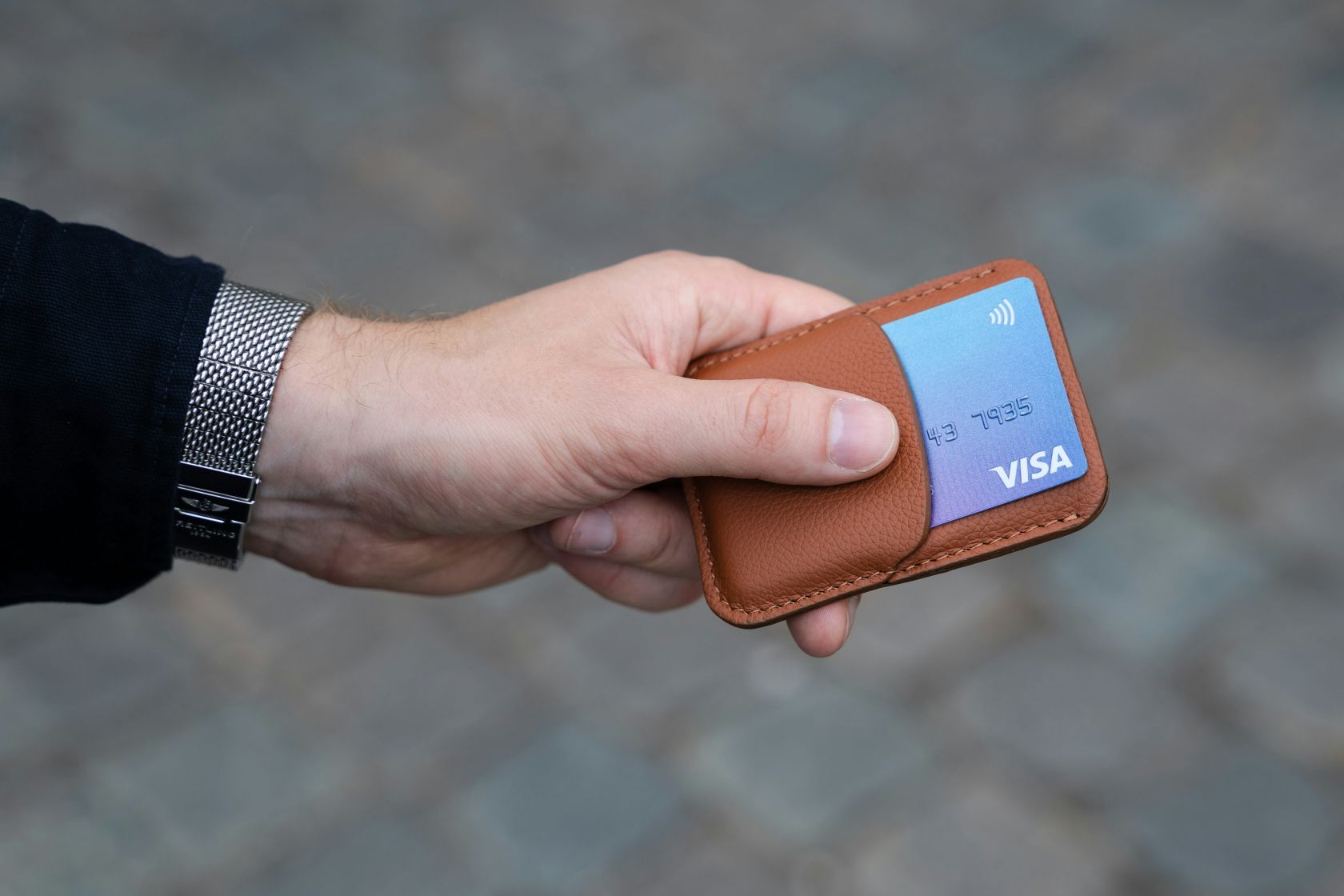
The police have drawn attention to a scam involving bank cards sent to people’s homes without being requested, with fraudsters then attempting to obtain personal or banking information from their targets.
What can initially look like an administrative mistake may be the first stage of the fraud.
The unexpected card can be followed by a phone call, text message or email from someone claiming to represent a bank or financial institution.
The person may say the card needs to be activated, cancelled or verified, or claim there is a problem that needs to be dealt with. The aim is to persuade the recipient to hand over banking details, passwords, security codes or other information that can be used to access their money.
Don’t try to activate the card
The GNR’s advice is simple: if a bank or credit card arrives that you did not request, don’t use it and don’t try to activate it.
Instead, contact the bank or financial institution named on the card yourself and ask whether it is genuine and why it was sent.
Crucially, use contact details you know are legitimate, such as those on the bank’s official website or banking app. Don’t call a telephone number or follow a link supplied in a suspicious message about the card.
The same caution applies if someone contacts you shortly after the card arrives. A caller knowing that you have received it does not necessarily mean they work for the bank.
People are also advised to keep an eye on their accounts for payments, transfers or other activity they don’t recognise.
What if you’ve already given them information?
Anyone who has already followed a suspicious link or shared banking details or security codes should contact their bank immediately.
The sooner the bank is alerted, the sooner it can check for suspicious transactions and take steps to protect the account and any cards connected to it.
Suspected fraud should also be reported to the authorities. Complaints can be made to the GNR, PSP, Polícia Judiciária or Public Prosecutor’s Office.
The scam relies on something fairly ordinary: people tend to trust correspondence that appears to have come from their bank.
That makes an unexpected card easy to dismiss as a mistake, particularly if the person who follows up sounds convincing.
The safest response is not to try to sort it out through whoever contacts you. Put the card aside and contact the bank yourself.
Set The Portugal News as your preferred source for news on Google
 Add as a preferred source on Google








 Portugal Handbook
 English
 Nederlands
 Deutsch
 Français
 Español
 Italiano
 Svenska
 Pусский
 中文
中文 Türkçe
 Português
 Czech
Czech Hungarian
 Polski
 عربي
عربي Suomi
Suomi עִברִית
 Português (Brasil)
Follow us on social media