


As September rapidly approaches, it’s only a matter of time before children return to school in droves.
The start of a new term inevitably brings a wave of illnesses, with viruses and bacteria spreading quickly among pupils in close classroom environments.
We spoke to Dr Mohammad Bakhtiar, clinical lead at Medical Express Clinic in London, who explained why illnesses tend to rise after the summer holidays and also shared his top tips on how to best protect your children from these pesky back-to-school germs.
Why do children tend to pick up more coughs, colds and infections when they return to school in September?
Bakhtiar highlights that the main driver behind the quick spread of illnesses at schools and nurseries after the summer holidays is the close physical contact that children have with each other in these environments.
“For example, touching each other in class or on the playground, playing team sports or even sharing food with each other all increases the chance of catching these bacteria and viruses at school,” says Bakhtiar.
What are the most common illnesses that children tend to catch during the first few weeks of term?
“Lots of flu viruses circulate in schools during the first few weeks of term,” says Bakhtiar. “So, it’s mainly viral infections that spread at schools and, in some rare cases, bacterial infections can also be transferred through droplets and can lead to things like tonsillitis or chest infections.
“When toddlers and young children get these viruses, it’s very common for them to pass them onto their parents and other family members.”
When should a sick child stay home from school?
“They should avoid going to school if they have a high temperature,” advises Bakhtiar. “As soon as you notice that they are sneezing, have a runny nose, a sore throat, accompanied by a temperature, make sure they stay at home.”
Rest and fluids are the main treatment for most children with the flu.
“Isolate them and encourage them to take paracetamol, drink plenty of fluids and to rest for few days until they completely recover,” advises Bakhtiar.
“If they don’t recover after a few days and continue to cough, have a high temperature and/or a rash and deteriorate quickly, immediately contact your GP.”
Here are some proactive things parents can do to help their child avoid these nasty back-to-school germs…
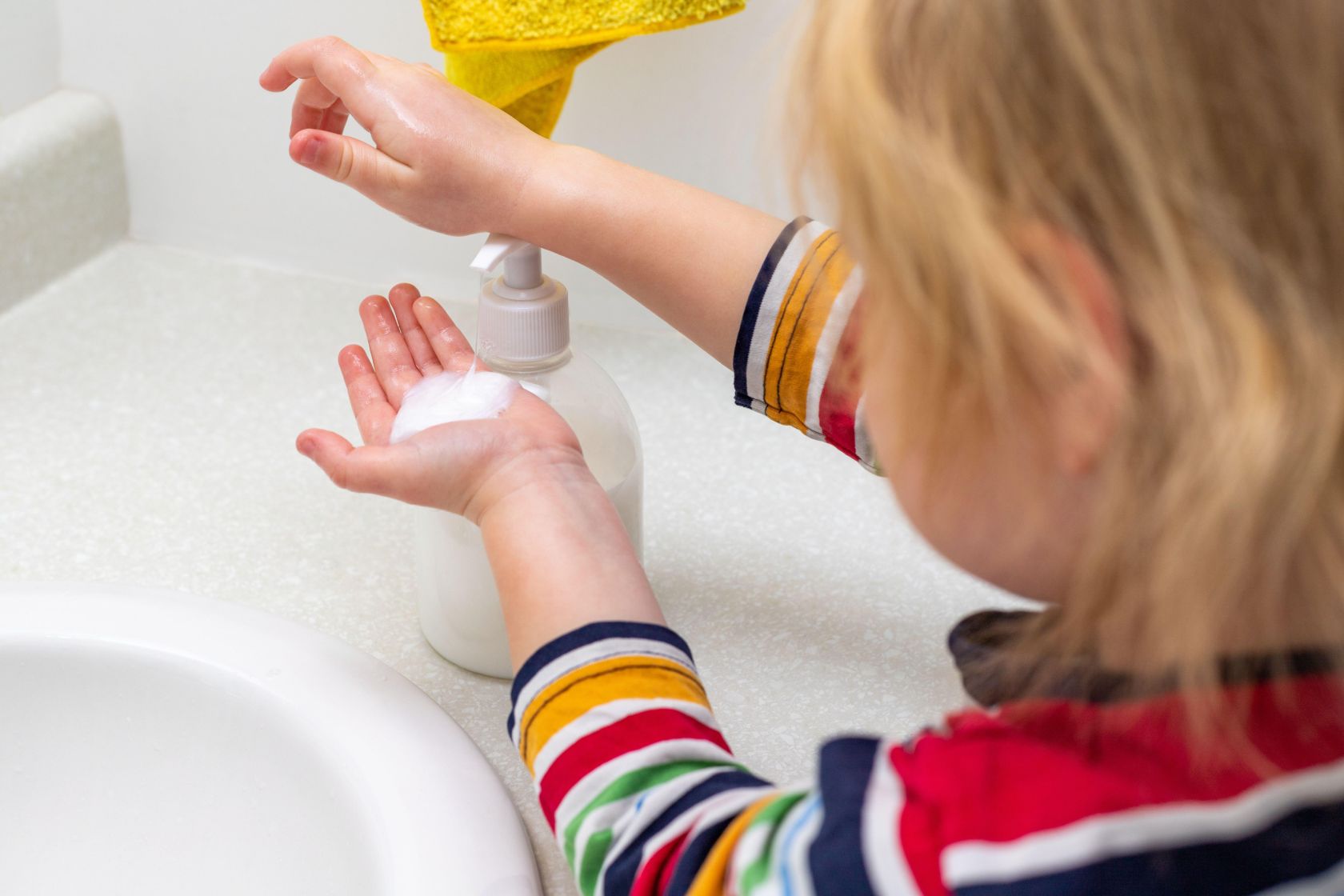
Encourage regular hand-washing
“Parents should insist that the first thing their child should do when they get back home from school is wash their hands,” recommends Bakhtiar. “It’s also important to stress the importance of washing hands before lunch at school.”
Explain why it’s important
“Try to explain to them how bacteria and viruses spread and why hand-washing is so important,” advises Bakhtiar. “Even during their early years, education about how you get ill, and what you can do to avoid and prevent it, is key.”
Encourage them to share any symptoms
“I think it’s important for children to know that if they have any symptoms, such as a headache, or see their friends coughing, they should inform their parents about this so this information can be given to teachers at the school,” says Bakhtiar.
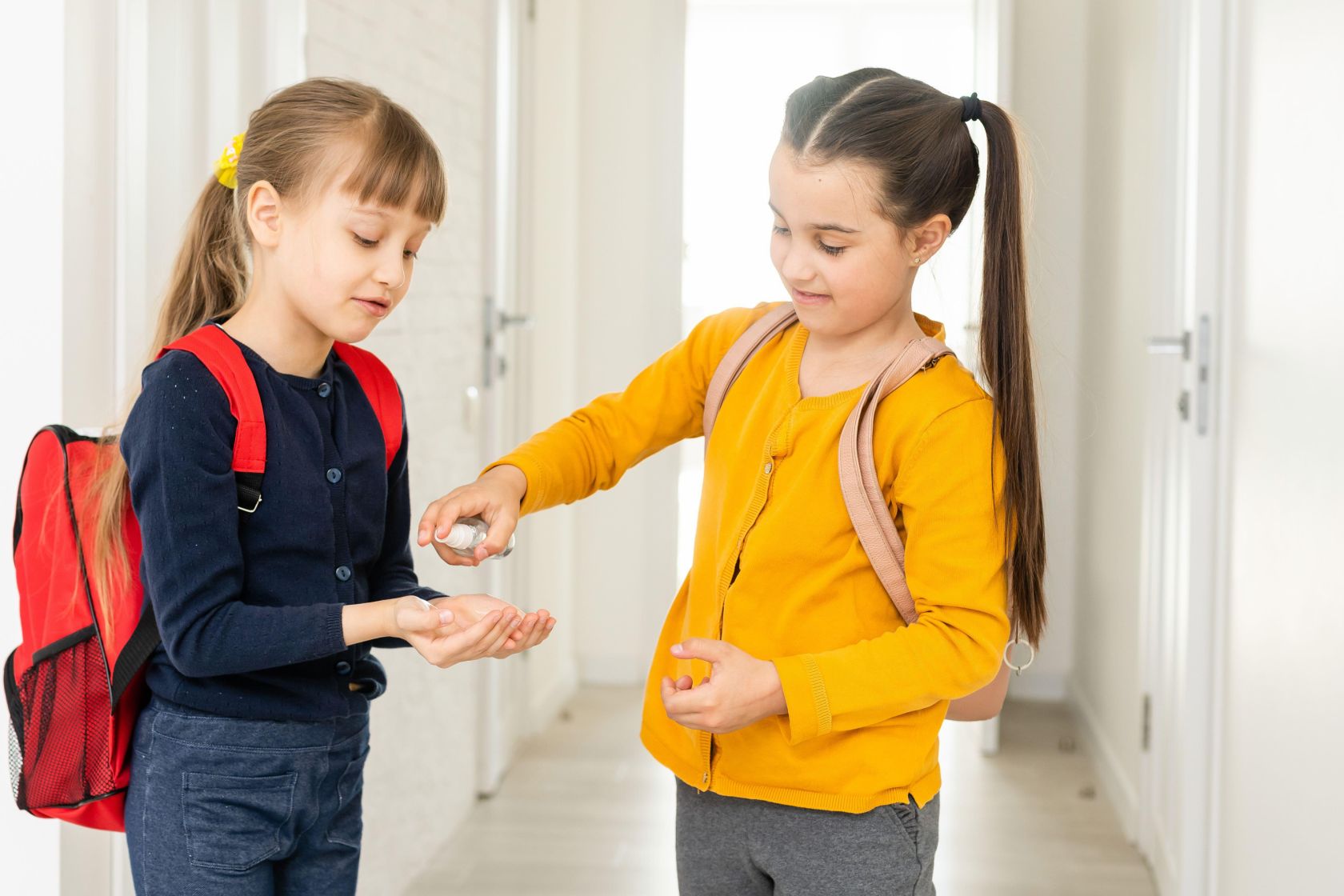
Make them aware about hand sanitiser
“There are lots of hand sanitisers at schools now, so I would make sure that your child is aware of that and I would encourage them to frequently use them,” says Bakhtiar.
Be vigilant about cleaning
“I would encourage parents to be vigilant about cleaning,” advises Bakhtiar. “For example, if your child has packed lunches, make sure that you wash their lunch box and give them a quick wipe down every day before putting a new packed lunch in it.”
Make sure that their vaccinations are all up to date
“It’s very important to make sure that all of your child’s vaccinations are up to date,” says Bakhtiar. “There are lots of vaccinations available, such as the flu, COVID and meningitis vaccines, so check which ones they are eligible for with your GP.
“There’s so much evidence that shows how effective vaccinations are at preventing and reducing infectious diseases globally, and we are lucky that many of them are available for free in this country.”
Provide a balanced diet
A healthy and varied diet can play an important role in fighting off infections, and supporting daily energy and development.
“We are what we eat, and we know that malnutrition is a very big factor in reducing immunity and making children prone to infection,” says Bakhtiar.
“Therefore, it’s important to make sure that your child is eating a balanced diet that contains enough vegetables, fruit, vitamins and nutrition.”
Set The Portugal News as your preferred source for news on Google
 Add as a preferred source on Google






 Portugal Handbook
 English
 Nederlands
 Deutsch
 Français
 Español
 Italiano
 Svenska
 Pусский
 中文
中文 Türkçe
 Português
 Czech
Czech Hungarian
 Polski
 عربي
عربي Suomi
Suomi עִברִית
 Português (Brasil)
Follow us on social media