


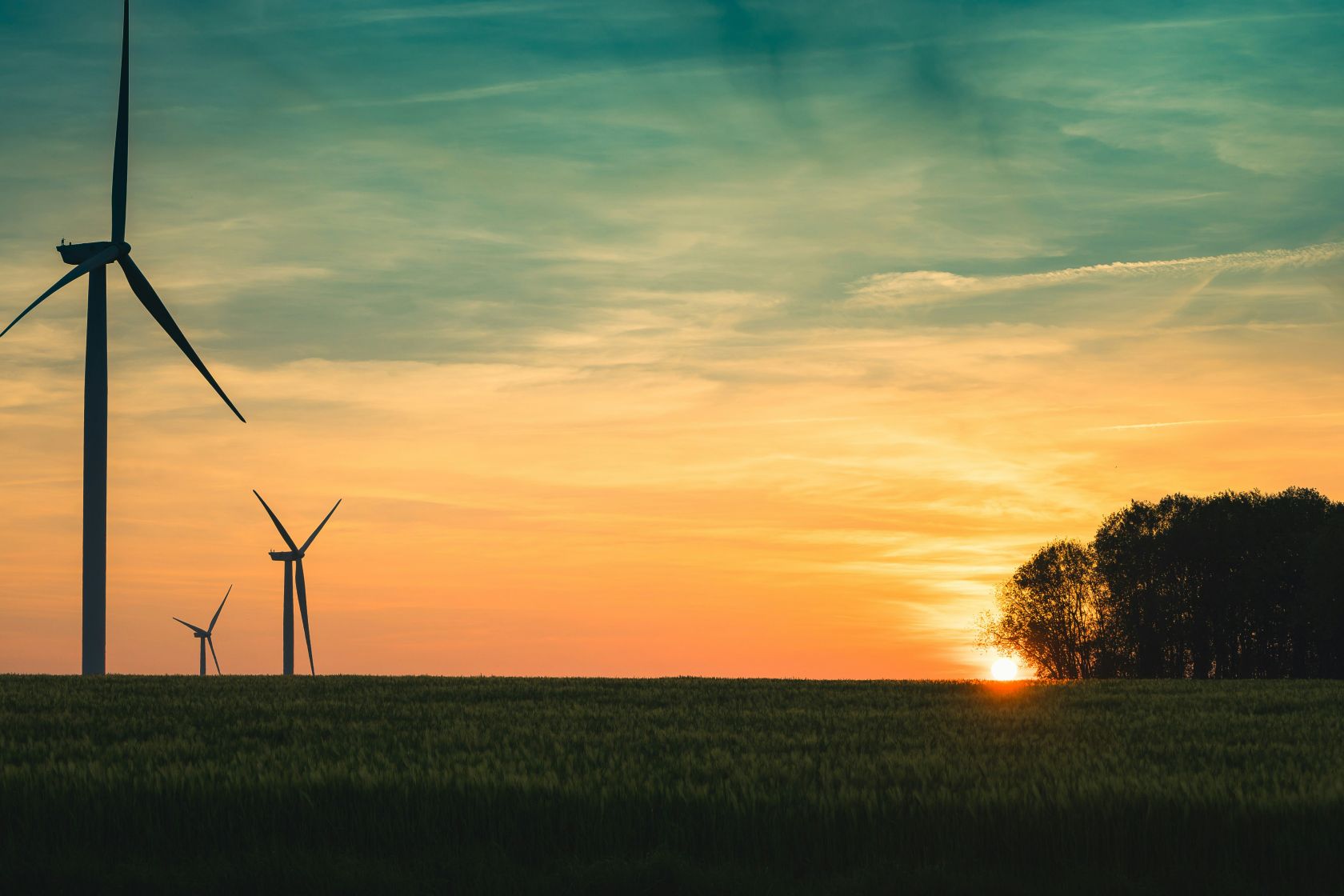
The growth of solar and wind energy, together with the existing hydro capacity, has made it possible to reduce dependence on fossil fuels and transform a historical weakness, external energy dependence, into a potential competitive advantage. But we are now entering a new phase of the energy transition. Producing more and more renewable electricity alone is no longer enough.
The reason is relatively simple. The sun and wind produce electricity when there are natural conditions to do so, not necessarily when the economy needs it most. As we increase the installed capacity of renewable production, so does the need to be able to save part of that energy and use it in other periods. Without sufficient storage, Portugal may reach the paradoxical situation of producing more and more clean energy without being able to extract all the possible economic value from it.
It is in this context that the National Energy Storage Strategy presented by the Government should be analysed. The goal is to reach 6.9 GW of installed storage capacity in 2030 and 9.76 GW in 2040, combining different technologies, from batteries to hydroelectric pumping. The strategy also recognises the need to improve the regulatory framework, facilitate grid connection and create economic conditions to remunerate the services that storage provides to the electricity system.
This evolution also changes the logic of energy investment. For years, much of the discussion was focused on the amount of megawatts of solar or wind that Portugal could install. The next question will be to understand how much value we can create with this capacity. To do this, production, storage, grids and consumption will have to be thought of as parts of the same system. It will not be enough to continue adding generation capacity if the grid cannot absorb it, if there is no storage to manage periods of excess, or if we cannot make this energy available when companies and consumers need it most.
There is also an economic dimension that goes far beyond the energy sector. Abundant, competitive and available renewable energy with greater predictability can become an important factor in attracting investment. Industry, data centres and other activities with high electricity consumption are increasingly looking for places where they can combine security of supply, clean energy and competitive costs. In this context, storage and networks are no longer just infrastructures necessary for the energy transition and become part of the country's competitiveness policy.
The real challenge will be, as is so often the case in Portugal, moving from strategy to execution. Setting capacity targets is relatively simple. It will be more difficult to turn these targets into licensed, funded and grid-connected projects within the necessary timeframes. Portugal has natural resources that many European countries would like to have, but a natural advantage only becomes an economic advantage when there is the infrastructure and execution capacity to take advantage of it.
The next phase of the Portuguese energy transition should therefore not be measured only by the number of new solar or wind farms. It should be measured by our ability to store energy, better manage the grid and make competitive electricity available when the economy needs it. Producing renewables was an essential part of the transformation. The next challenge is to be able to create more value with the energy we already know how to produce.
Set The Portugal News as your preferred source for news on Google
 Add as a preferred source on Google








 Portugal Handbook
 English
 Nederlands
 Deutsch
 Français
 Español
 Italiano
 Svenska
 Pусский
 中文
中文 Türkçe
 Português
 Czech
Czech Hungarian
 Polski
 عربي
عربي Suomi
Suomi עִברִית
 Português (Brasil)
Follow us on social media