


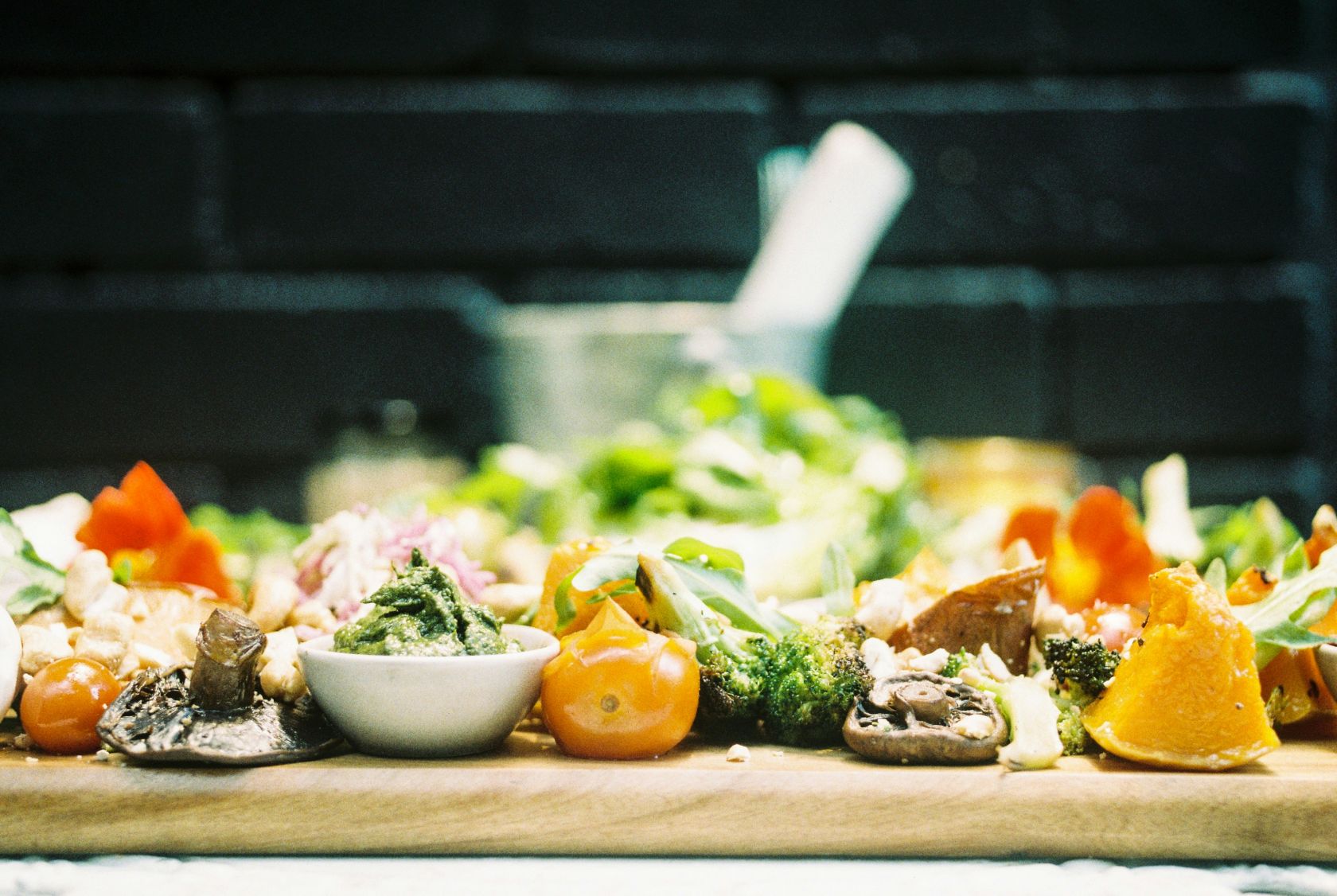
In connection with the International Zero Waste Day, established by the United Nations General Assembly on 14 December 2022, the Sustainable Earth System Association (Zero) warned this Monday that "a population (neighbourhood or parish) of just 300 inhabitants could waste up to 12 tons of food per year in their homes, placing it in unsorted waste."
"Extrapolating these data, a city of 100,000 inhabitants could generate 3,760 tons of wasted food that, instead of being consumed by those who acquired it or donated to the neediest sectors, end up in waste treatment units or, more frequently, deposited in landfills," says a statement.
According to research by Zero, "doing an exercise for the national reality based on data collected in the two communities of Ourique, we would be facing food waste figures that would be around 376,000 tons per year, that is, 38 kg/inhabitant/year, or about a thousand tons per day."
"The work, developed in collaboration with the municipality of Ourique, within the scope of the "Zero Waste Cities" certification program, analysed the undifferentiated waste from three door-to-door collection circuits in the municipality, through a total sample of 250 kg, collected at two points over the course of a year," the text clarifies.
Experts report that "the results show that, even with separation at the source of food bio-waste, families tend to put a significant portion of the food consumed in the trash, whether it be leftovers from meals, fruits, vegetables or bulk bread, or food still in its packaging."
"In the case of the three neighbourhoods analysed in Ourique, with 150 houses and two establishments in the HORECA channel (hotels, restaurants and cafes), 51% of the undifferentiated waste is bio-waste, and food waste (leftovers of cooked food, lose or mixed with packaging) remains significant, representing 28% of bio-waste and 16% of the total waste characterized," concludes the non-governmental organization Zero.
According to the same source, "considering that the collection of the undifferentiated fraction occurs three times a week, and assuming that the composition of the waste remains constant over time, it is estimated that, after one year, more than 12 tons of food are wasted, only in these three neighbourhoods and only in the undifferentiated waste fraction."
Set The Portugal News as your preferred source for news on Google
 Add as a preferred source on Google






 Portugal Handbook
 English
 Nederlands
 Deutsch
 Français
 Español
 Italiano
 Svenska
 Pусский
 中文
中文 Türkçe
 Português
 Czech
Czech Hungarian
 Polski
 عربي
عربي Suomi
Suomi עִברִית
 Português (Brasil)
The irony of it all! People in developed countries waste one third of their food by buying too much and it going to waste. That's several thousand euros per year per family. Yet people complain about the cost of food, and some even claim they have to choose between eating or heating in the winter.
By Billy Bissett from Porto on 30 Mar 2026, 10:07
Problem exacerbated by lack of bags for organic waste and lack of brown containers - they are rather scarce
By Carmen from Lisbon on 30 Mar 2026, 14:37
This isn't even a problem. But if they think it is, then why not start a business collecting the food waste and sell it to farmers for excellent organic fertilizer. But of course, I doubt Zero would pass the smell test. What they really want is maybe the government initiate a waste tax like the nonsensical carbon tax. What? Solve societal "problems" ourselves? Good grief, these darlings would never get their hands dirty. They just want to become the high priests and priestesses of absolute societal control.
By Tony from USA on 30 Mar 2026, 21:57