


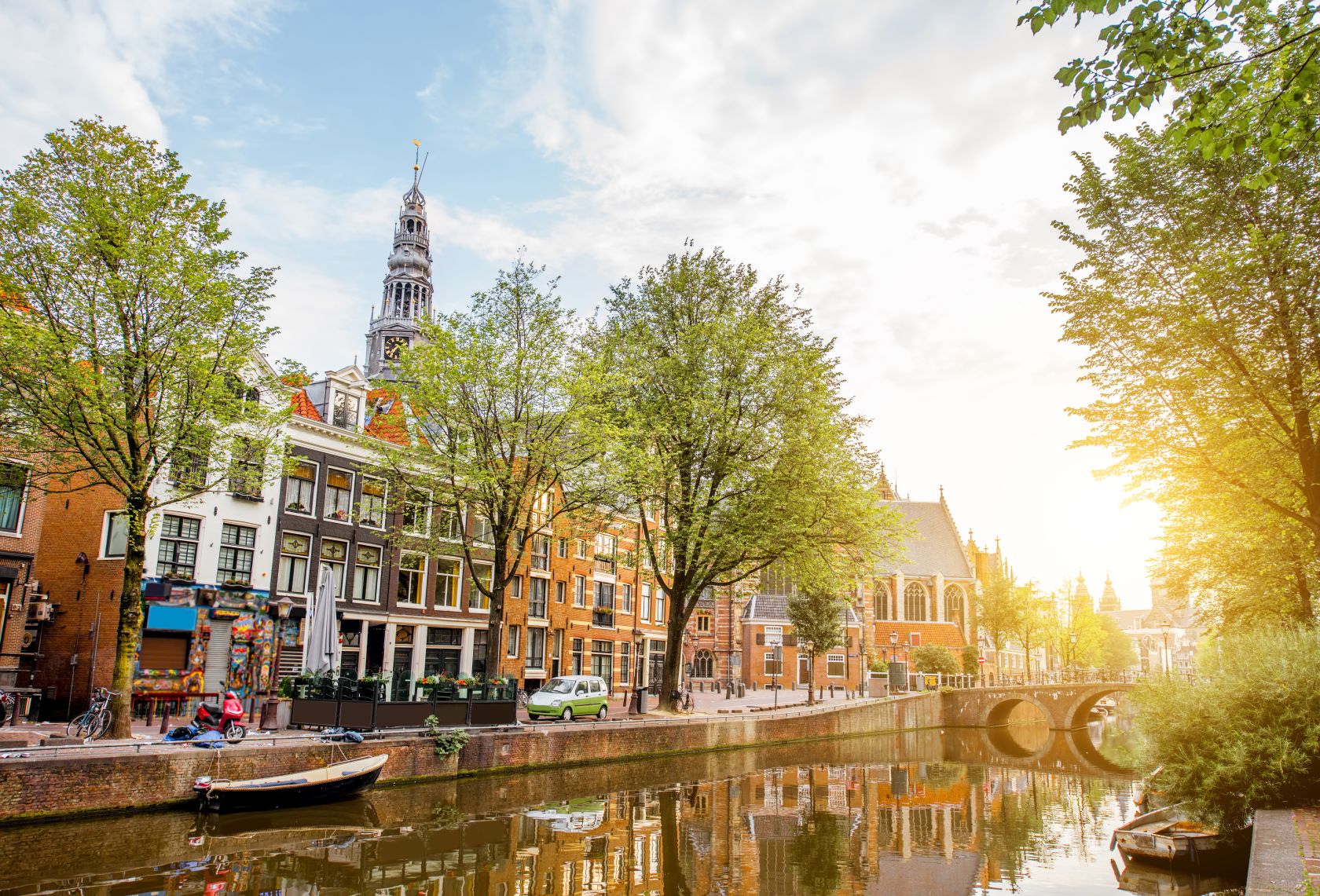
The Batavi, a Roman-era Germanic people, came floating down the river Rhine and occupied part of the eastern part of the country, which is now the province of Gelderland. The Romans, as well, had their influence on the peoples of that era, but they were ousted by the Batavi. After that, the Franks and the Vikings left their footprint. The Spaniards and the French occupied the land, which had become a republic in the meantime, for a while, until they got ousted as well, and the regents hauled Willem of Orange from exile and made him king in the early nineteen hundreds.
From that mix of immigrants came what are now called The Dutch. Did all those different people and cultures integrate, respect the (not so very) original inhabitants, and respect their religious beliefs? No, not at all. They divided and conquered. So, does that mean the European cultures are lost, or will they be changed into something different? Possibly...probably…for sure? I don’t know. I do know that I do not want to walk around in a burqa, not even a mandatory headscarf. I want my ideas to be mine and to be respected by my fellow citizens.
In my time in the Netherlands, the Dutch were known to be a tolerant people. Those were the days…
The mindset
In my first article, I gave you a general insight into the Dutch mindset. At least the Dutch as I know them, or rather, have known them. I had a lot of fun writing that article. And the good thing is, I got some response.
Patrick from Lisbon tells me: “Having just returned from Amsterdam, I will say that your parting comment seems quite Dutch.” Made me smile.
Then there’s Jenny, a native Brit, who lived in the Netherlands for 30 years. She tells me about her experience as an expat among the Dutch. She enjoyed my article and agrees with everything I wrote. She just wants to add that an expat experience in the Netherlands can be very different depending on the region. She herself lived in the south, in Brabant, whereas her stepbrother lived in The Hague. Most of the people he met spoke English, the area being more cosmopolitan. But in Brabant, Jenny was forced to learn Dutch to integrate because hardly anyone spoke English at the time. And they were constantly reminded by the natives that it was about time they learned Dutch. So they did, and life got easier.
This reminded me of my stepsister-in-law, Hazel, a Brit from London. Upon marrying my stepbrother, they went to live in Huizen, a small village to the south of Amsterdam. This was about 65 years ago (old? who, what do you mean?), and in those days, hardly anyone outside of the big cities spoke English, so she was also forced to learn Dutch.
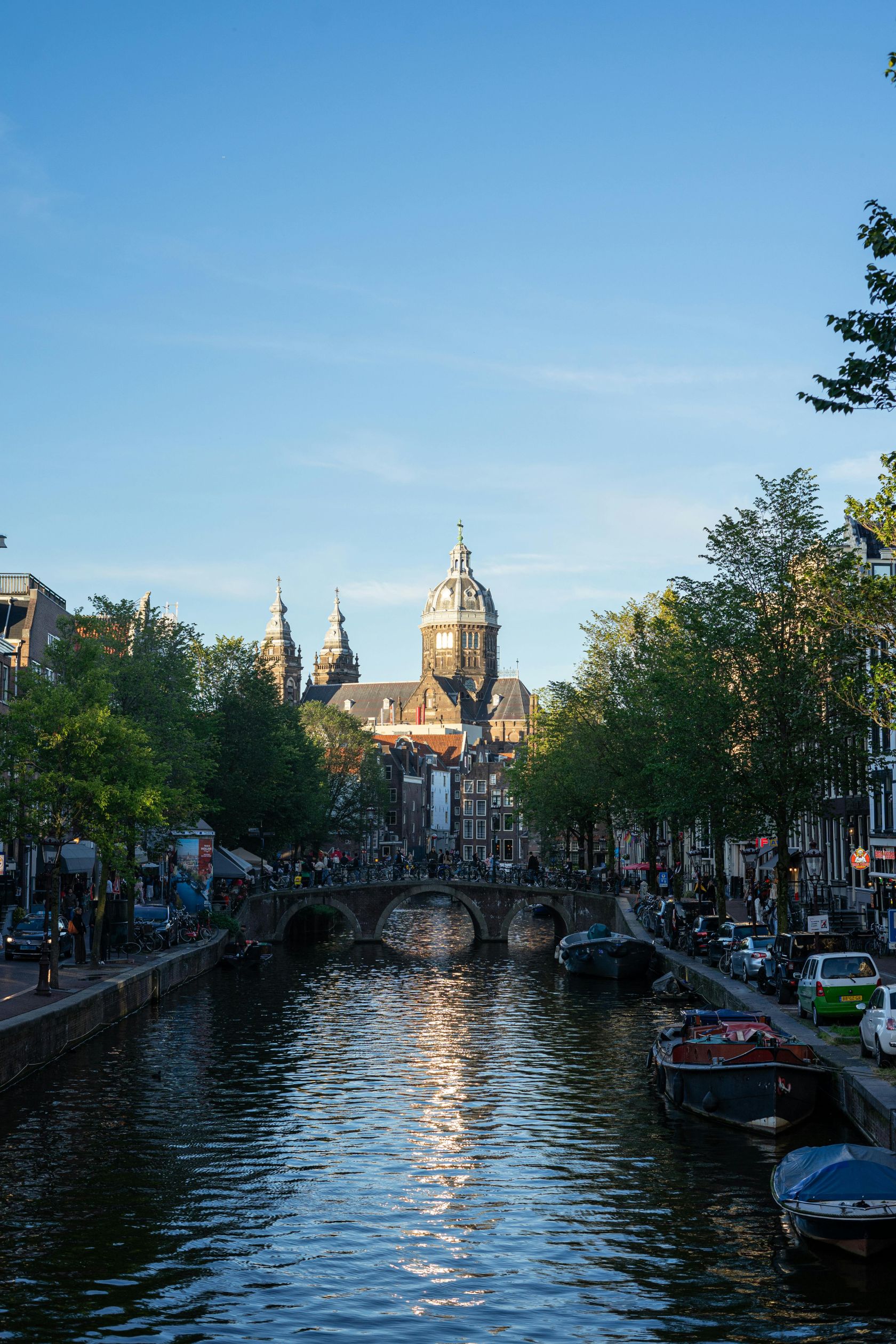
One day, Sinterklaas was coming to town, and she wanted to know about the festivities and the candy associated with it. So, I told her about marzipan and “borstplaat” (a bit similar to fudge, or Scottish tablet), which literally translates as breastplate. She went to the pastry shop in the village and tried her best, asking for “borstelplaat”, brush plate. They all had a good laugh, and she would never forget the right word. But she went looking for the recipe, and the following year, she made it herself!
Spirit of adventure
Jenny and I agree that in Portugal, where she now lives, especially in the big cities and the Algarve, it is actually hard to learn Portuguese, because most of the natives insist on speaking English. We have to fight to speak Portuguese. My landlord is Portuguese, and he speaks no other language, so I must. My biggest problem is to understand what the Portuguese say, and my landlord makes it even harder for me. He has a stutter and a lisp, OMG! But he always looks at me to see if I get what he is on about. If not, he repeats it, which doesn’t really make it easier for me. In the end, I smile and nod. It’s usually the right thing to do.
Fun fact: the Dutch have more in common with the Portuguese than you’d think. Both share the same spirit of adventure and have gone out into the world to discover new lands, colonise them, and profit from their resources. Those days were their Golden Era.
Maybe that is why I feel so at home here.
 Add as a preferred source on Google





 Portugal Handbook
 English
 Nederlands
 Deutsch
 Français
 Español
 Italiano
 Svenska
 Pусский
 中文
中文 Türkçe
 Português
 Czech
Czech Hungarian
 Polski
 عربي
عربي Suomi
Suomi עִברִית
 Português (Brasil)
Follow us on social media