


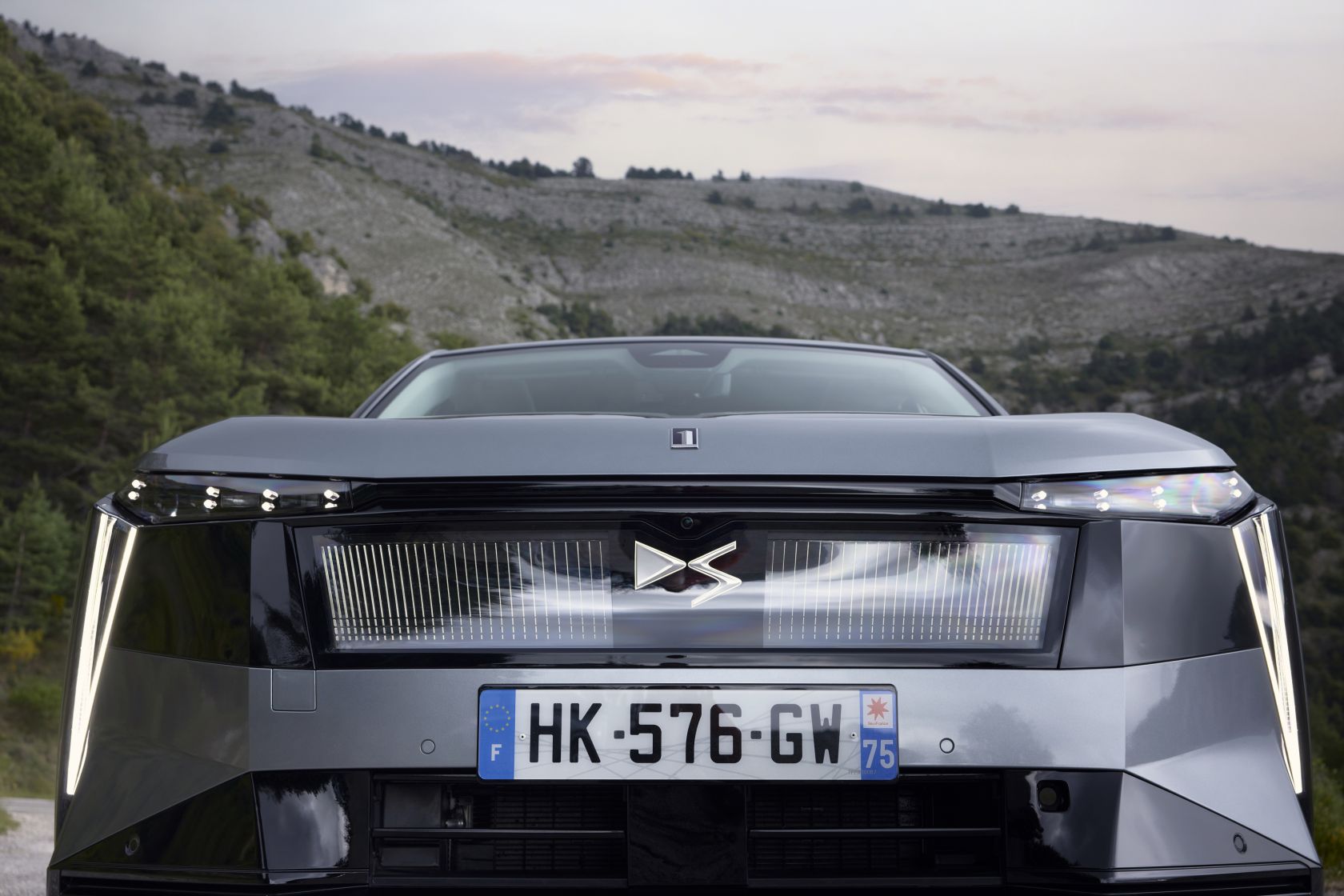
What is it?
It’s a tricky time for DS. On the one side, you’ve got Chinese brands launching new models thick and fast, which vastly undercut this French manufacturer’s key offerings, while on the other, there’s an ever-widening number of premium models for drivers who want something a little more luxurious.
DS is hoping to tap into the area occupied by the latter and, in a first, it is refreshing one of its most popular models. The DS 7 kicked off this brand’s rebirth back in 2017 and saw some decent popularity, so DS is hoping it’ll be the same thing again with this – the DS No.7.
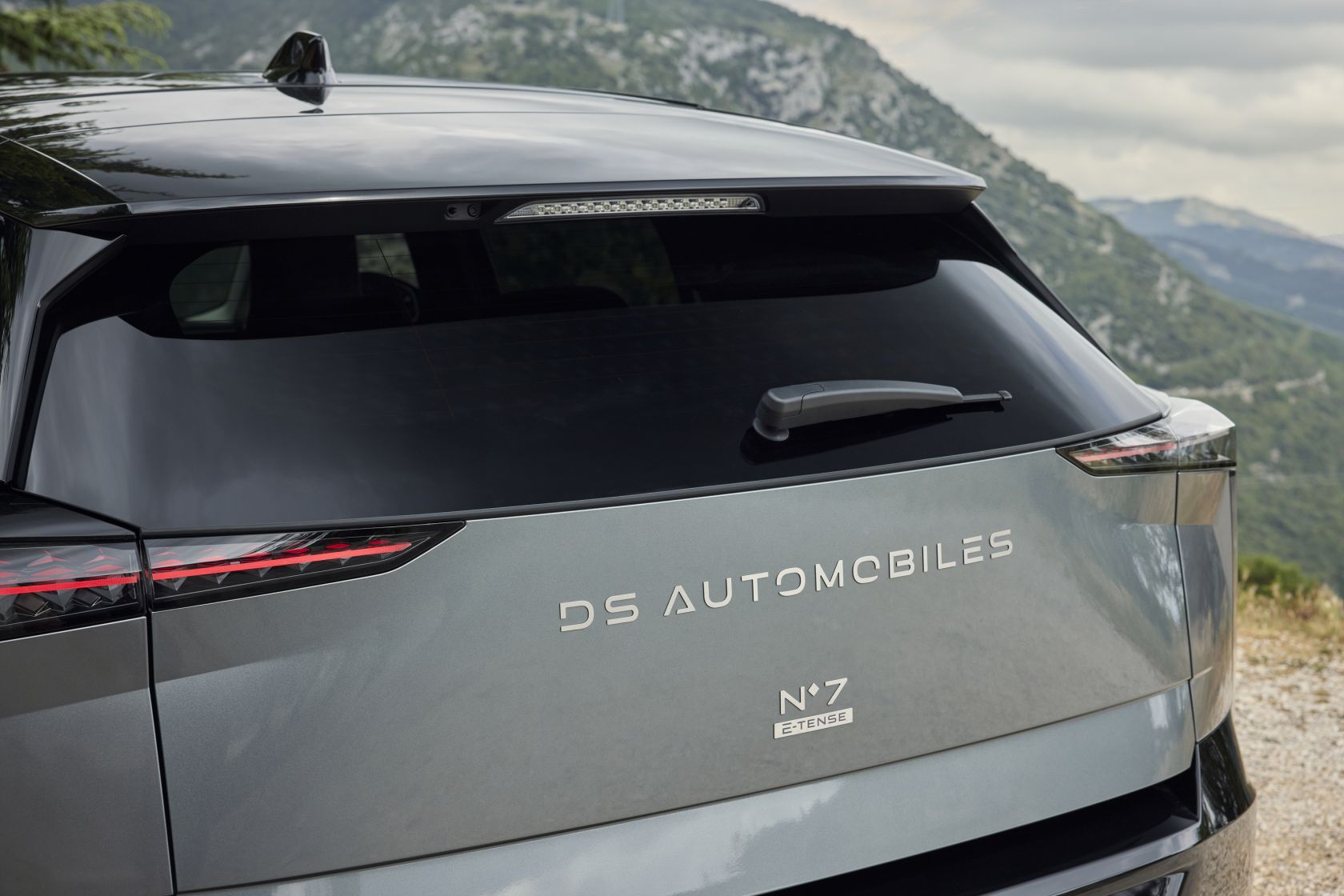
What’s new?
Name change aside, the DS No.7’s key features include a platform which is shared with other Stellantis-group products such as the Citroën C5 Aircross, and a range of assistance systems which aim to boost refinement. DS has also thrown the works at this car’s interior, introducing plenty of high-end materials, including ash wood for elements such as the speaker panels.
On the outside, there’s a design which follows on from the DS No.8 and No.9 models, with an aerodynamic approach which looks to help this car cut through the air as smoothly as possible.
What’s under the bonnet?
The DS No.7 will launch with both electric and hybrid powertrains. Here, we’re driving the former, which, in Long Range guise, has an impressive range of 459 miles, which puts it among some of the big-hitters in the EV segment. It’s also available with a smaller battery, which lowers the price, and a performance-oriented dual-motor version capable of 0-60mph of 5.1 seconds.
This single-motor, Long Range car seems like the pick of the bunch, though, thanks to its balance of performance and efficiency. The DS No.7 is also available with a 1.2-litre three-cylinder petrol hybrid, which has seen plenty of use across the board in Stellantis vehicles and is there for those who don’t want an EV. It’s expected that a plug-in hybrid will join the ranks shortly, too, which could be a good blend of the two existing options.
What’s it like to drive?
DS says that its cars are designed to bring an upmarket driving experience and in many areas, the No.7 does just that. It is impressively quiet, with excellent refinement over rough surfaces and at greater speeds. Its steering is nicely weighted, too, and though there are some gaps to be exposed in this car’s dynamics when you go a little quicker, it feels as though rushing this type of car goes against what it has been designed for. The steering wheel takes some getting used to, mind – it’s an odd shape overall.
The ride is good, too, though our test car came on smaller 20-inch wheels over 21-inch versions fitted elsewhere. As with other Stellantis EVs, we found that the switchgear can be too ‘lazy’ to change; switch between ‘drive’ and ‘reverse’ and there’s often a big pause – or even a grab of neutral – and you often have to try it a few times for it to find a gear. It’s a pain when you’re doing a three-point turn, for instance.
How does it look?
DS has always tried to do things differently, and there’s a sense of that with the No.7. While many other EVs have taken a more rounded, rather bland approach, the No.7 feels genuinely interesting with neat little details dotted here and there. The ultra-sleek LED lights are a neat touch, too.
There are plenty of exterior colours to choose from as well, and you can even get a split-colour look, mimicking the design that you might find on a Rolls-Royce or Maybach Mercedes.
What’s it like inside?
As we mentioned earlier, DS has gone to town with the interior of the No.7. Our test car had vast swathes of blue Alcantara and, though we can’t comment on how well this material will last if thrust into busy family life, it certainly looks and feels upmarket. The switchgear area is also interesting to look at thanks to its lightspeed-eque design.
Practicality isn’t bad, either. Rear-seat passengers are well catered for in terms of leg and headroom, while the 560-litre boot is on par with rivals. There’s no separate storage for the car’s charging cables, mind you, though that load area does have an adjustable floor which could prove handy.
What’s the spec like?
Right, deep breath – let’s discuss the price. In standard small battery guise, you’re looking at £49,190. Fancy the bigger battery model and its longer range, though? That’ll be £53,090. A top-spec, dual-motor version will set you back an incredible £66,690, which is quite the sum for a car which, underneath, is using similar parts to a Citroën costing half that amount.
You get loads of equipment – electric models start in ‘Pallas’ trim with heated front seats, wireless smartphone charging, laminated windows for a quieter cabin and an efficiency-boosting heat pump as standard – but it’s a sizeable chunk of cash if you’re after the EV. Standard hybrid models start from just under £39,000, and though that’s cheaper, it’s still a lot of money for a car with a three-cylinder 1.2-litre engine in it.
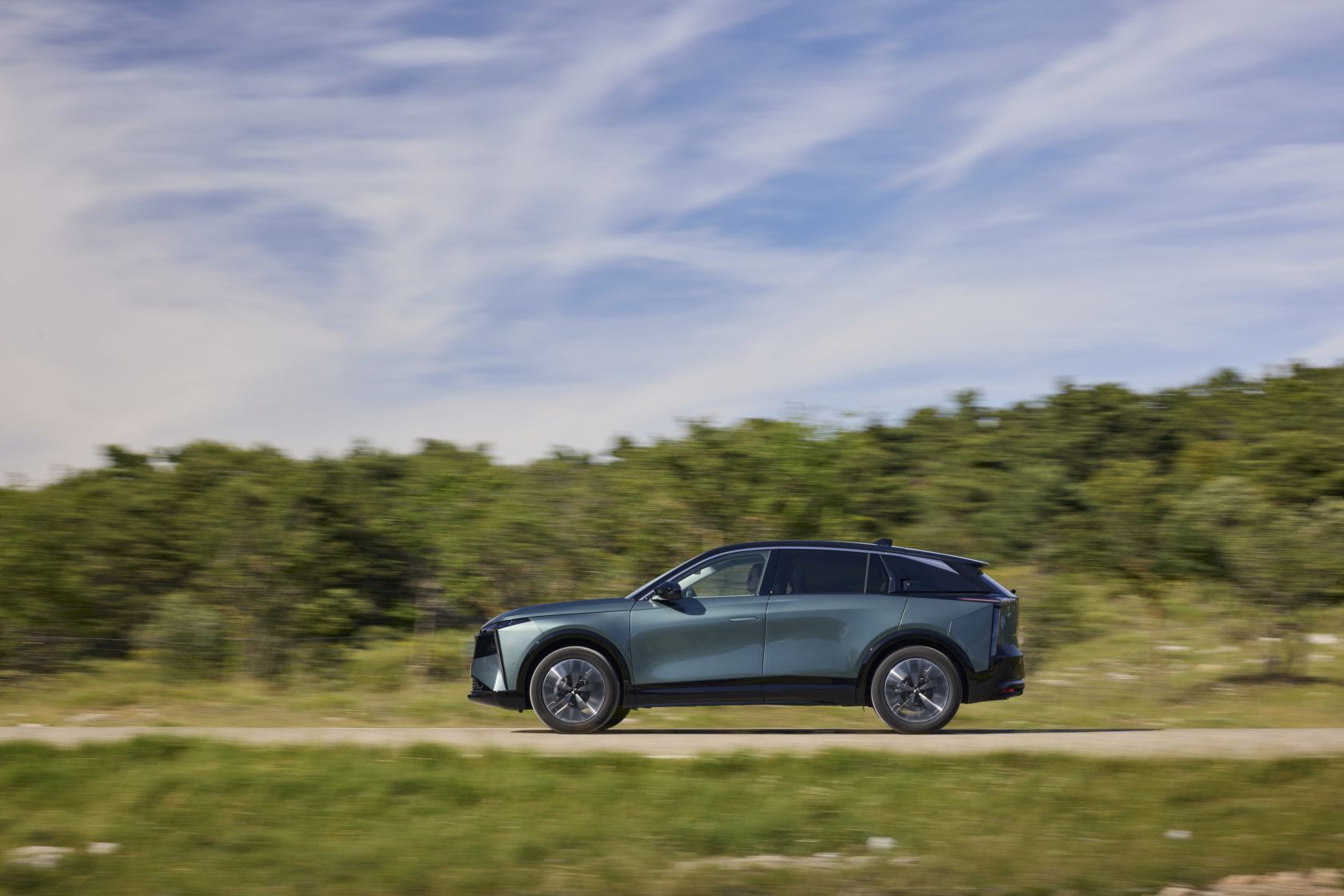
Verdict
It feels as though DS is a little lost. It’s trying to cater for a premium market, but is competing with brands offering so much more prestige and heritage. Meanwhile, budget brands are delivering cars with the same level of equipment as the No.7 but for significantly less money.
It’s not that the DS No.7 is a bad car – far from it – it’s just been priced at such a top level that we’re left wondering who might pick it over German rivals. Priced more keenly, we could see the No.7 making a real dent in the market, but, as it is, we feel it may struggle.
Facts at glance
Model as tested: DS No.7
Price: £52,290
Engine: Single electric motor
Power: 278bhp
Torque: NA
Max speed: 118mph
0-60mph: 7.5 seconds
MPG: NA
Emissions: 0
Range: 459 miles
Maximum charge speed: 160kW
 Add as a preferred source on Google





 Portugal Handbook
 English
 Nederlands
 Deutsch
 Français
 Español
 Italiano
 Svenska
 Pусский
 中文
中文 Türkçe
 Português
 Czech
Czech Hungarian
 Polski
 عربي
عربي Suomi
Suomi עִברִית
 Português (Brasil)
Follow us on social media