


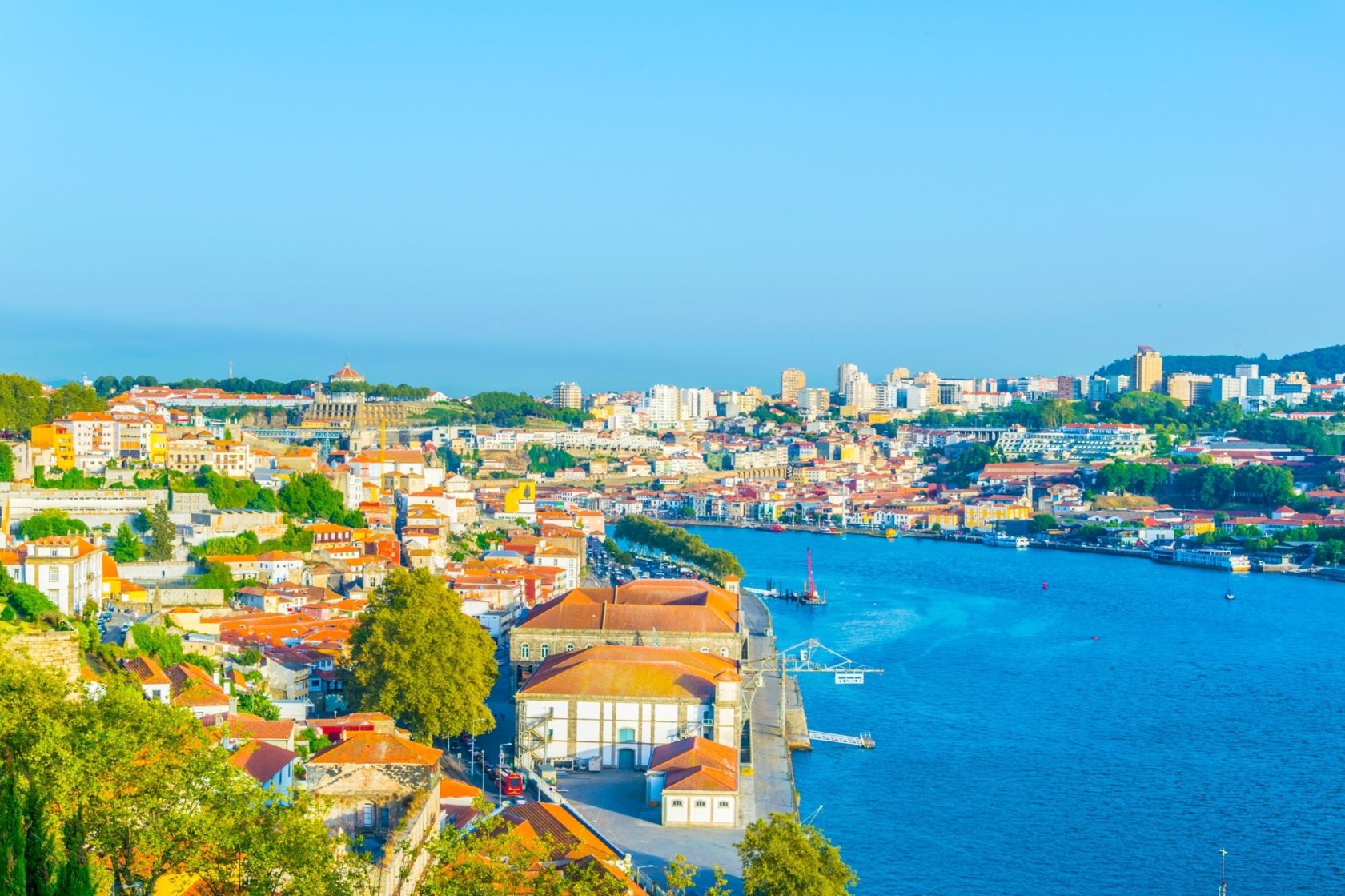
As reported by ECO, the investment is being made available through the Norte 2030 regional programme under Portugal’s 2021–2027 European funding framework. The European Regional Development Fund (ERDF) will finance projects in municipalities stretching from Matosinhos and Santo Tirso to Vila do Conde, Porto and Vila Nova de Gaia.
Among the main interventions is the rehabilitation and enhancement of the banks of the Leça River and its principal tributaries, covering Santo Tirso, Valongo, Maia and Matosinhos.
Environmental rehabilitation
In Porto, the programme will support the removal of underground piping from a watercourse in the Pinheiro Torres neighbourhood, restoring part of the stream to an open channel.
Further projects will be carried out along the Ave, Selho and Vizela rivers and the Santa Luzia stream in Guimarães, while Felgueiras will see work on the Vizela, Bugio and Ferro rivers, as Santo Tirso will also benefit from improvements to its riverside corridor.
Other planned interventions include the rehabilitation of the Ave river basin in Vila Nova de Famalicão and restoration of the Ave’s banks in Vila do Conde.
Santa Maria da Feira will receive funding to improve and renaturalise the banks of the Lamas River and Cortegaça stream, including measures to restore the aquatic ecosystem. In Vila Nova de Gaia, the focus will be on rehabilitating the hydrographic network of the Valadares River.
Ecological status
The funding call is specifically aimed at priority areas containing surface water bodies whose ecological status or potential is below the EU’s “good” classification. The programme identifies water bodies classified as having “poor” or “bad” ecological status as eligible for intervention.
According to the Northern Regional Coordination and Development Commission (CCDR-N), the priority areas were identified in cooperation with the Portuguese Environment Agency (APA) and are aligned with the management plans for Portugal’s river basin regions.
The projects can include a wide range of environmental measures, from restoring natural river channels and riverside vegetation to stabilising banks and removing accumulated sediment and other obstructions.
Another important element will be the removal of physical barriers that restrict the movement of water and aquatic species, helping to restore connectivity along river systems.
Protecting biodiversity
CCDR-N said the investment forms part of a wider effort to strengthen the region’s resilience to climate change while protecting biodiversity and improving the management of water resources.
The commission said the projects are intended to deliver long-term improvements to the ecological quality of northern Portugal’s rivers and streams, while helping the region respond to increasing pressures on water resources.
This €10 million call has been launched through an invitation-based application process, and eligible projects must be submitted via the Balcão dos Fundos by 30 December 2026.
The programme’s intervention across multiple river basins reflects an increasing emphasis on restoring natural waterways rather than relying solely on conventional flood and water management infrastructure.
 Add as a preferred source on Google







 Portugal Handbook
 English
 Nederlands
 Deutsch
 Français
 Español
 Italiano
 Svenska
 Pусский
 中文
中文 Türkçe
 Português
 Czech
Czech Hungarian
 Polski
 عربي
عربي Suomi
Suomi עִברִית
 Português (Brasil)
Follow us on social media