


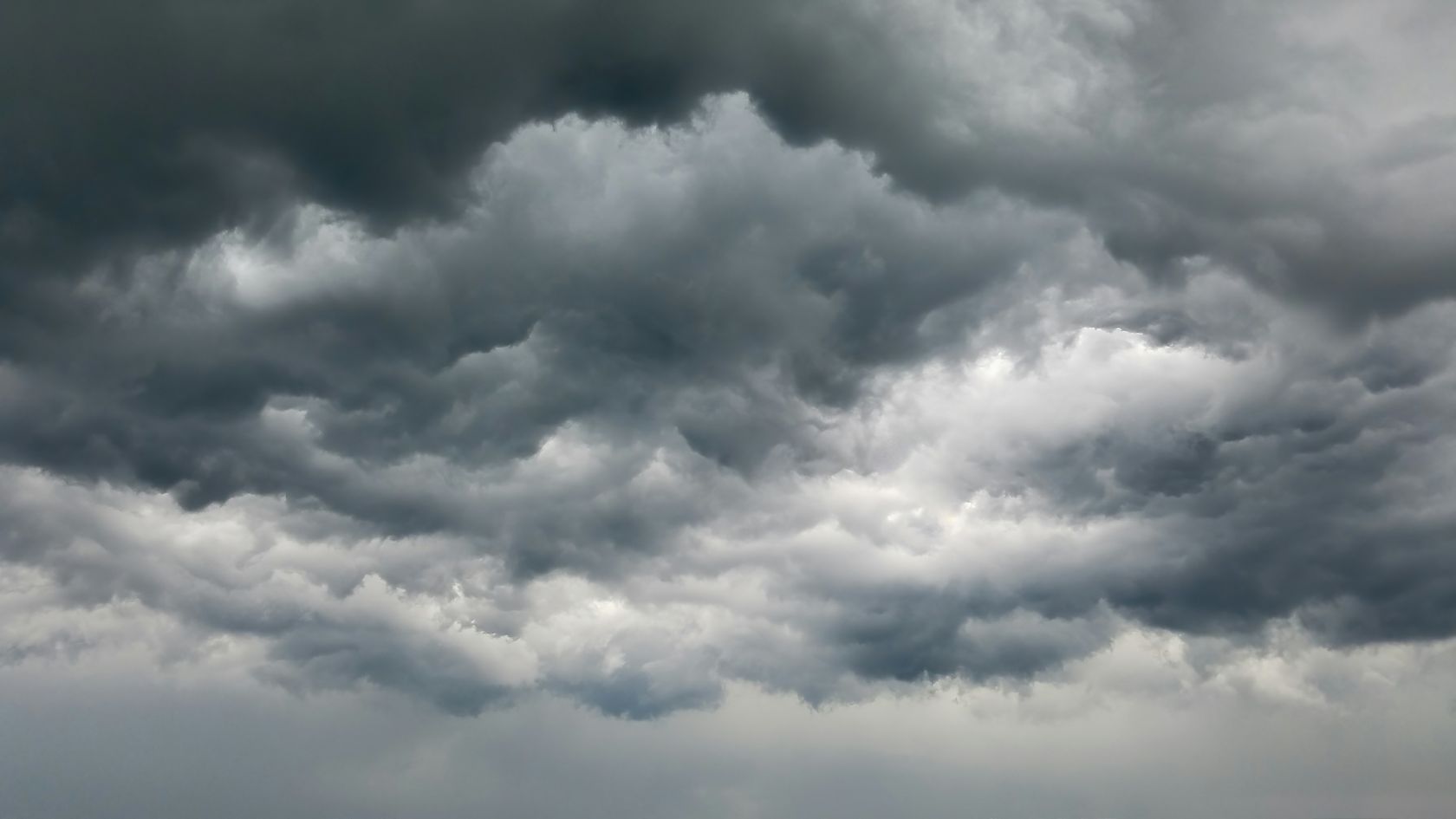
“A report was produced, and I will revisit it before long to take stock of the situation and evaluate preventive measures for facing future storms,” stated António José Seguro during his address on the Municipality Day of Batalha, in the Leiria district.
The President of the Republic emphasised that the “present signals new dangers every day, and with unprecedented intensity.”
“We have no time to lose, and in some respects, we are starting from behind,” he warned, acknowledging that the “State was not prepared to face such devastation” when Storm Kristin struck the Leiria region on 28 January.
Noting that he visited the region days later, António José Seguro shared “the despair of many people,” observing that “it was impossible to withstand winds that reached speeds of up to 200 kilometres per hour.”
Support structures
For the Head of State, “moments of crisis are also revealing” and serve to “awaken us to the importance of people and local support structures,” as well as “human solidarity.”
Highlighting the role played, “among others,” by “firefighters, security force personnel, health and social welfare structures, and technicians from electricity, water, and communications companies,” Seguro reinforced his praise for local officials, “whose role was decisive and did not end with those few days.”
“The reconstruction process also illustrates how we must reflect on our security and autonomy. This ranges from the simplest means, such as emergency communications or power generators, to complex financing systems that allow us to overcome difficulties as quickly as possible,” he warned.
Seguro noted that the “example of the Municipality of Batalha, which took out a loan of around four million euros to finance investments and address storm damage, reveals the State’s need for greater agility and decentralisation in decision-making.”
He further observed that the “response from insurance companies, the slow pace of action by communications and power grid operators,” combined with a “shortage of labour for reconstruction, are factors requiring serious consideration.”
After the storms
Beyond the “legitimate and urgent concern” regarding wildfires, the President of the Republic warned of “silent signs of a more sensitive nature, which manifest primarily during moments of anxiety or fear,” noting that “there are many wounds yet to heal, and not all of them are visible on rooftops or roads.”
The passage of depressions Kristin, Leonardo, and Marta, along with the storms that battered the mainland for roughly three weeks, particularly in the Central, Lisbon and Tagus Valley, and Alentejo regions, resulted in at least 19 deaths (more than half occurring during recovery operations) and left hundreds of people injured, homeless, or displaced.
The storms caused total or partial destruction of thousands of homes, businesses, and facilities; led to the collapse of trees and structures; disrupted power, water, and communications; and caused flooding, resulting in damage exceeding five billion euros.
The Government declared a state of calamity for 90 municipalities in areas affected by depression Kristin, a designation that triggers various forms of aid and exceptional measures. It later extended this status to the entire country, provided the storms caused the damage.
Set The Portugal News as your preferred source for news on Google
 Add as a preferred source on Google






 Portugal Handbook
 English
 Nederlands
 Deutsch
 Français
 Español
 Italiano
 Svenska
 Pусский
 中文
中文 Türkçe
 Português
 Czech
Czech Hungarian
 Polski
 عربي
عربي Suomi
Suomi עִברִית
 Português (Brasil)
Follow us on social media