


In a statement released today, following various criticisms regarding the National Institute of Medical Emergency’s (INEM) new operational method, the OE, through its President Luís Filipe Barreira, affirms its “support for this new model and its implementation,” emphasising that it represents “an excellent health policy strategy.”
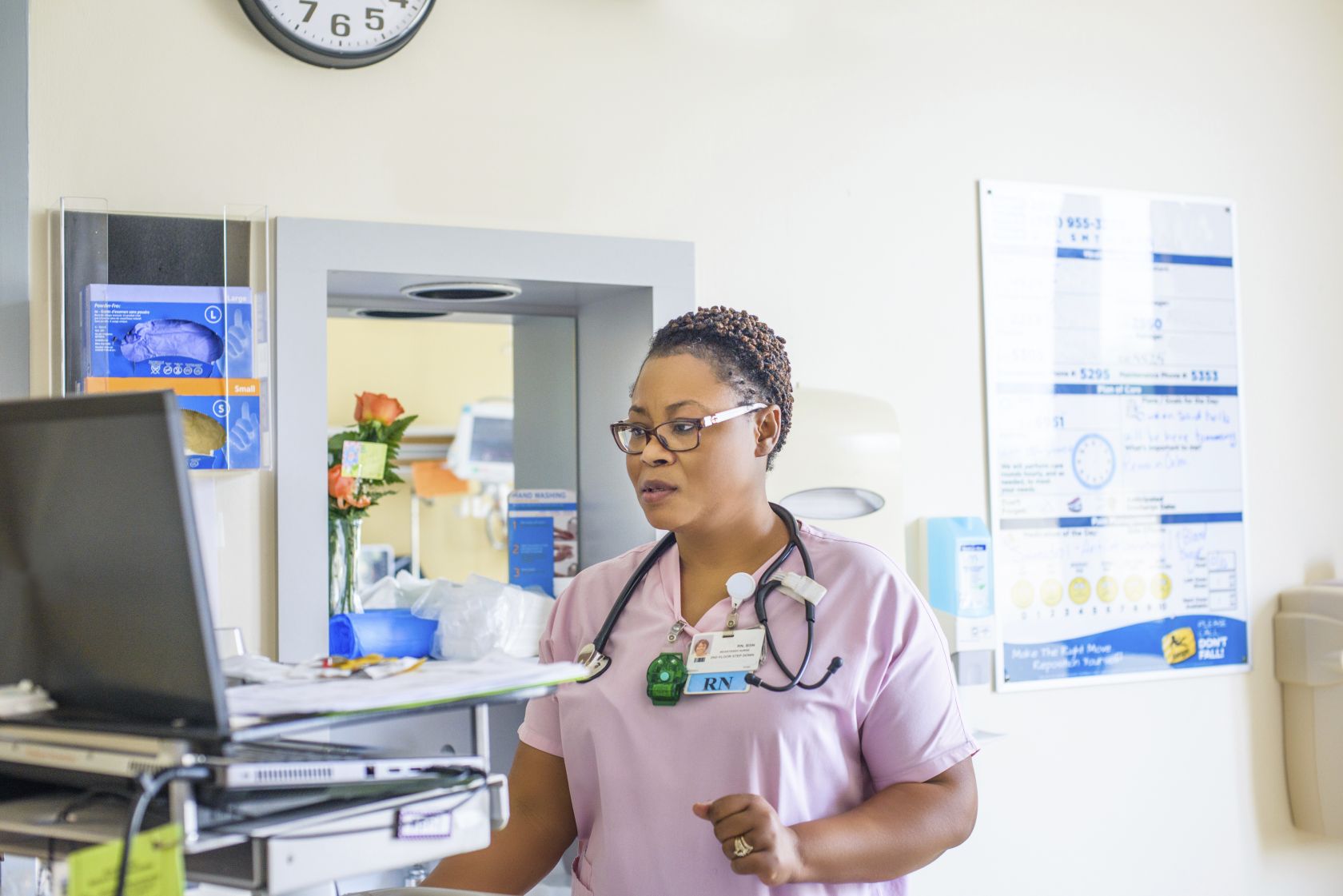
The Order notes that, starting 1 September, nurses will begin participating in the triage of calls received at the Urgent Patient Guidance Centres (CODU), utilising the Manchester Triage System.
“In light of the doubts and criticisms raised by the reorganisation of the Integrated Medical Emergency System (SIEM), the Order of Nurses considers it essential for the public to understand the changes underway at INEM and their objectives,” reads the document accessed by Lusa.
The Order argues that “this is the model that best protects people,” as it enables specialised care to reach those at risk of death faster and frees up nurses to respond to new emergencies. OE President Luís Filipe Barreira highlights that these professionals’ participation in triaging CODU calls “strengthens the capacity to assess risk, set priorities, and select the appropriate response from the very first contact.”
The head of the Order emphasises that “safety does not depend on sending the greatest possible number of vehicles,” but rather on “the right team, with the right skills, arriving in the shortest possible time.”
For the Order of Nurses (OE), the new model allows each resource to be used according to its specific function: ambulances handle patient transport, while specialised teams bring emergency care directly to the scene.
The Order adds that “the change increases the mobility and operational autonomy of nurses and reduces the time these teams remain unavailable.”
The professional body notes that highest-priority incidents account for approximately 10% of calls received by INEM; in these situations, transport units are deployed along with, when necessary, a specialised team including a doctor and/or a nurse.
According to the OE, during the first six months of 2026, 90% of incidents involving the dispatch of an Immediate Life Support (SIV) team also triggered the dispatch of a standard ambulance. Consequently, in most cases, two transport-capable vehicles were deployed for a single victim.
The OE states that while INEM meets defined response times for other priority levels, it has not yet achieved the eight-minute target for all emergencies; increasing the number of specialised teams operating in light vehicles will allow for a direct response to this issue.
Another issue that has “raised questions and led to misconceptions is the reorganisation of medical emergency ambulances,” he states, emphasising that “this change must be analysed in light of its objectives” and that “INEM’s new organisational structure assigns the Institute the responsibility for promotion and coordination.”
The professional association points out that hospitals already contact the CODUs when urgent transport is required and that the new model improves the organisation of this response by establishing bases at the hospitals.
“It is incorrect to claim that this reorganisation removes a hundred ambulances from the system. Some of these resources remain part of the operational setup; the difference is that they will now operate from hospital-based stations. Regarding the SIV units [Intermediate Life Support vehicles], the type of vehicle is changing to increase mobility and the availability of the specialised team,” Luís Filipe Barreira adds.
INEM’s new statutes provide for transforming the current regional branches into four CODUs.
According to the administrative order, the four regional branches, North, Centre, Lisbon/Tagus Valley/Alentejo, and Algarve, are being eliminated from INEM’s structure. Four CODUs are being created: North (in Porto), Centre (in Coimbra), South (in Lisbon), and Algarve (in Loulé).
These four services will report to the Department for the Guidance of Urgent Patients, and the cities where they will be located correspond, according to INEM’s website, to the locations of the current regional branches.
Set The Portugal News as your preferred source for news on Google
 Add as a preferred source on Google






 Portugal Handbook
 English
 Nederlands
 Deutsch
 Français
 Español
 Italiano
 Svenska
 Pусский
 中文
中文 Türkçe
 Português
 Czech
Czech Hungarian
 Polski
 عربي
عربي Suomi
Suomi עִברִית
 Português (Brasil)
Follow us on social media