


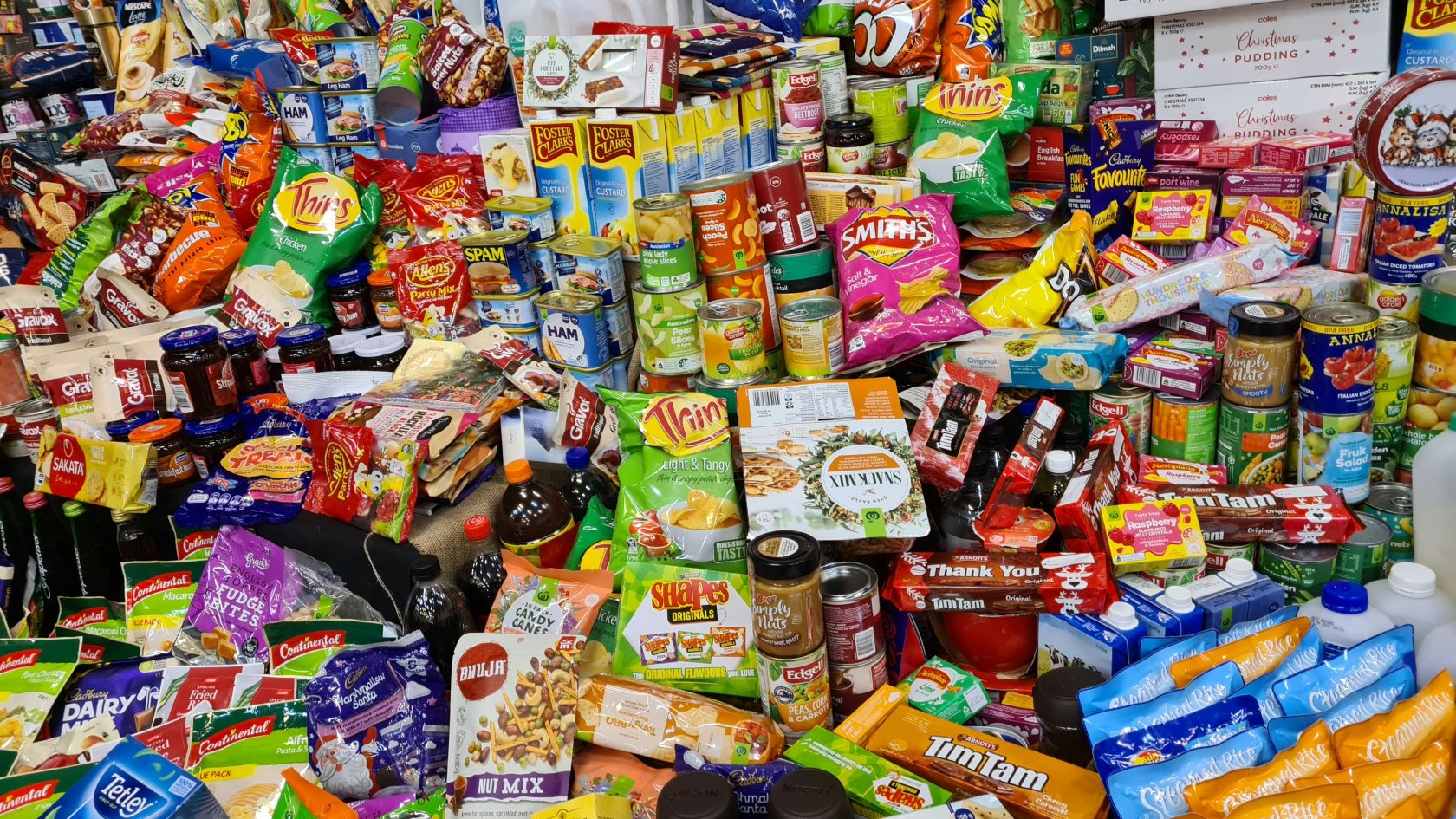
Backed by France, Mexico and Uruguay, the initiative focuses on protecting children and calls for clearer definitions of ultra-processed foods. Supporters argue that growing evidence of health risks linked to high consumption warrants stronger government action.

Brazil has already introduced restrictions on ultra-processed foods, limiting them to no more than 10 percent of school meals nationwide. In Rio de Janeiro and the state of Ceará, such foods have been banned from school menus altogether. Critics argue that ultra-processed food classifications can be overly broad, while supporters say regulation could help improve long-term public health outcomes.
“In the coming years, we have to reduce it even further, until we reach zero,” health minister Alexandre Padilha told the Brazilian newspaper Estadão.
 Add as a preferred source on Google





 Portugal Handbook
 English
 Nederlands
 Deutsch
 Français
 Español
 Italiano
 Svenska
 Pусский
 中文
中文 Türkçe
 Português
 Czech
Czech Hungarian
 Polski
 عربي
عربي Suomi
Suomi עִברִית
 Português (Brasil)
Follow us on social media