


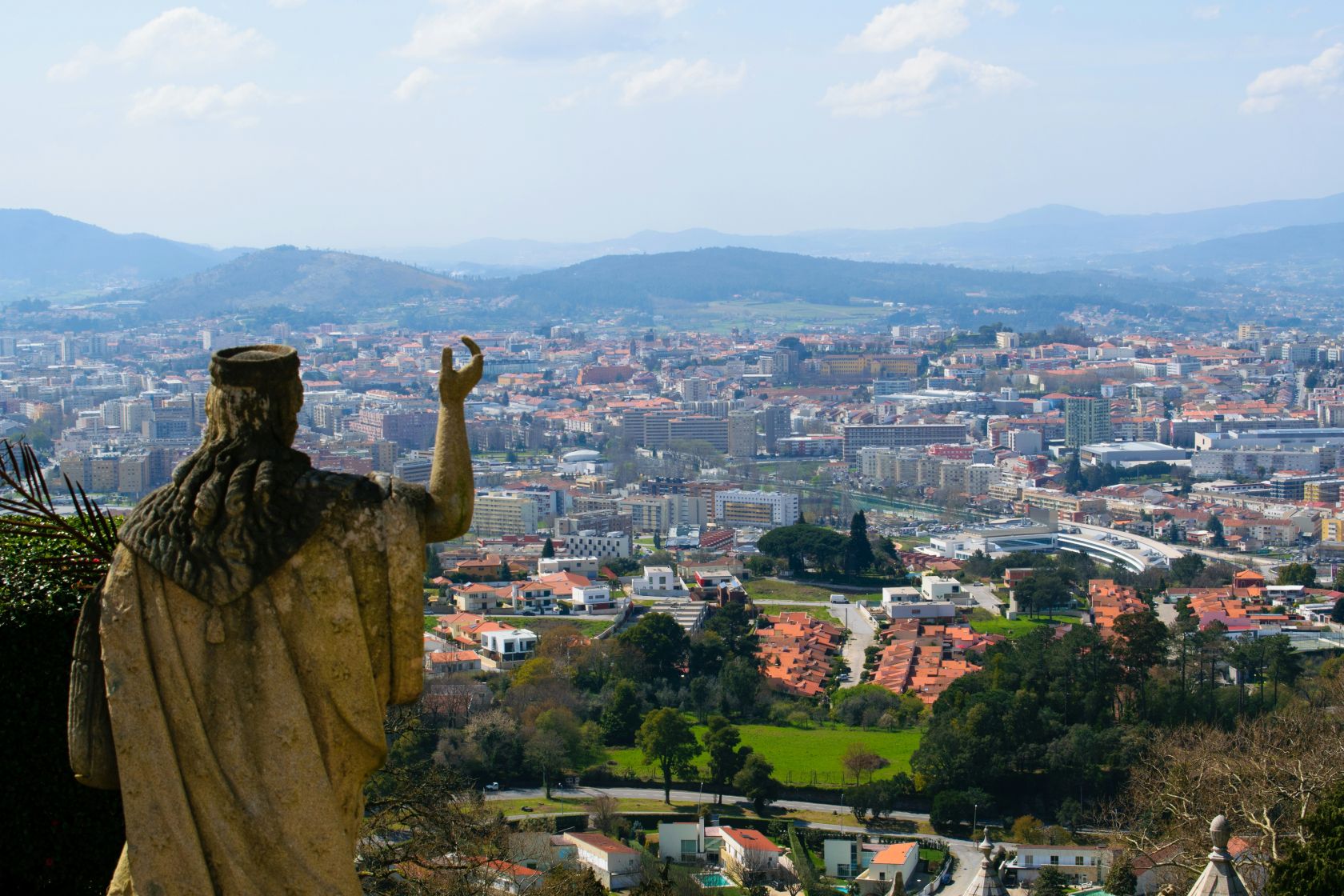
Looking now at the best students, the study points to ten municipalities – including Lisbon, Porto, Braga, Coimbra, Cascais, Oeiras and Aveiro – that accounted for more than 70% of the over-representation effect among high-achieving students.
Inequality in continuing studies
The report also points to inequalities in the transition from undergraduate to master's degree: the probability of continuing studies is 48.3% among graduates with at least one parent with a higher education degree, falling to 37.1% in other cases.
Valuing education
The numbers show that education is increasingly valued in Portugal and that the job market reinforces this same view: In 2025, about 36% of Portuguese workers held knowledge-intensive jobs, slightly below the European average (1.5 percentage points less).
According to the study's coordinator, Hugo Figueiredo, the main challenge is no longer access to education, but rather ensuring successful pathways for all, advocating for more targeted policies adapted to new demographic and territorial realities.
"In a context where educational inequalities are taking on new forms, it becomes essential to develop more targeted policies that integrate the new structural reality of the greater presence of students of foreign nationality, oriented towards the needs of each territory and supported by evidence. This is the contribution that the Annual Education Balance aims to offer: a rigorous reading of the progress achieved and the challenges that remain," argued Hugo Figueiredo.
 Add as a preferred source on Google





 Portugal Handbook
 English
 Nederlands
 Deutsch
 Français
 Español
 Italiano
 Svenska
 Pусский
 中文
中文 Türkçe
 Português
 Czech
Czech Hungarian
 Polski
 عربي
عربي Suomi
Suomi עִברִית
 Português (Brasil)
Follow us on social media