


Spanish seafood company Nueva Pescanova had proposed developing the facility in the Canary Islands, with the aim of farming around one million octopuses annually for human consumption. The project attracted international attention amid concerns over animal welfare, environmental impact and the ethics of farming one of the ocean’s most intelligent species.
Watch the full video by Lily Niederhofer here 👇👇👇
Environmental organisations confirmed that the plans have now been shelved, describing the decision as a major victory for marine conservation.
Welfare concerns at the centre of debate
Unlike many farmed fish, octopuses are solitary, highly intelligent animals that have demonstrated complex problem-solving abilities, tool use and individual personalities. Scientists have long argued that they are poorly suited to intensive farming, where they would be kept in close proximity to one another.
Researchers warned that such conditions could lead to chronic stress, injury and aggressive behaviour. Concerns were also raised over proposed slaughter methods and the absence of internationally recognised welfare standards for farmed octopuses.
In 2021, the London School of Economics review commissioned by the UK government concluded there is strong scientific evidence that octopuses are sentient animals capable of experiencing pain, distress and pleasure, leading to their inclusion in UK animal welfare legislation.
Environmental questions
The project also prompted debate over its environmental footprint. Octopuses are carnivorous and require diets rich in fish protein, meaning large quantities of wild-caught fish would likely have been needed to produce feed.
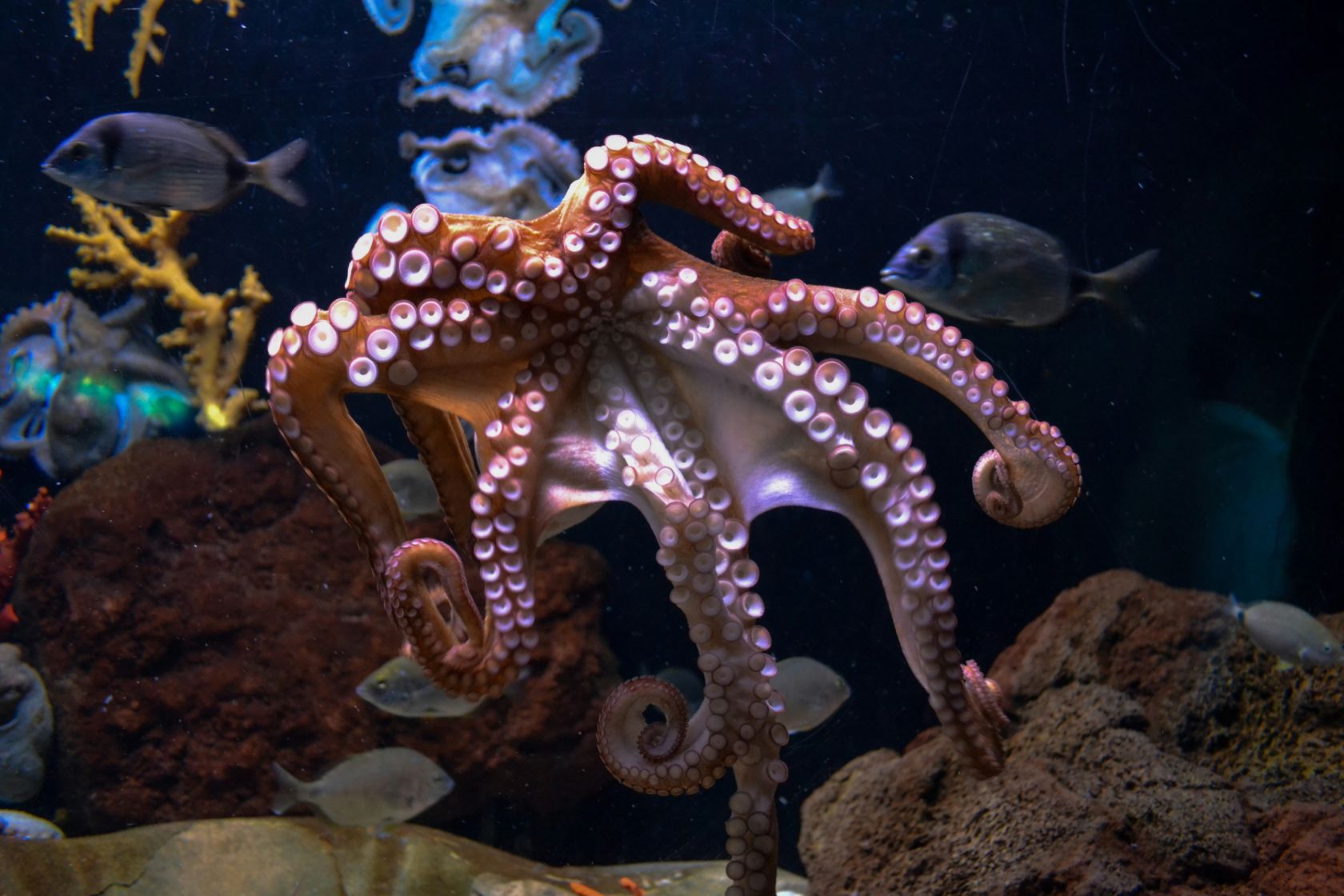
Conservationists argued this could increase pressure on already strained marine ecosystems, while also generating waste and pollution associated with intensive aquaculture.
Although aquaculture has become an increasingly important part of global seafood production, many experts have questioned whether farming predatory marine species offers a sustainable long-term solution.
Portugal’s connection
Portugal has one of Europe’s strongest culinary traditions involving octopus, with dishes such as polvo à lagareiro remaining popular across the country. However, nearly all octopus consumed in Portugal continues to come from wild fisheries rather than aquaculture.
Portuguese researchers have also participated in studies examining octopus welfare and sustainable fisheries, contributing to wider European discussions about how marine resources should be managed in the future.
While the cancellation of the Canary Islands project does not necessarily end research into octopus farming, campaigners say it signals growing recognition that some marine species may be unsuitable for intensive commercial production.
 Add as a preferred source on Google







 Portugal Handbook
 English
 Nederlands
 Deutsch
 Français
 Español
 Italiano
 Svenska
 Pусский
 中文
中文 Türkçe
 Português
 Czech
Czech Hungarian
 Polski
 عربي
عربي Suomi
Suomi עִברִית
 Português (Brasil)
Follow us on social media