


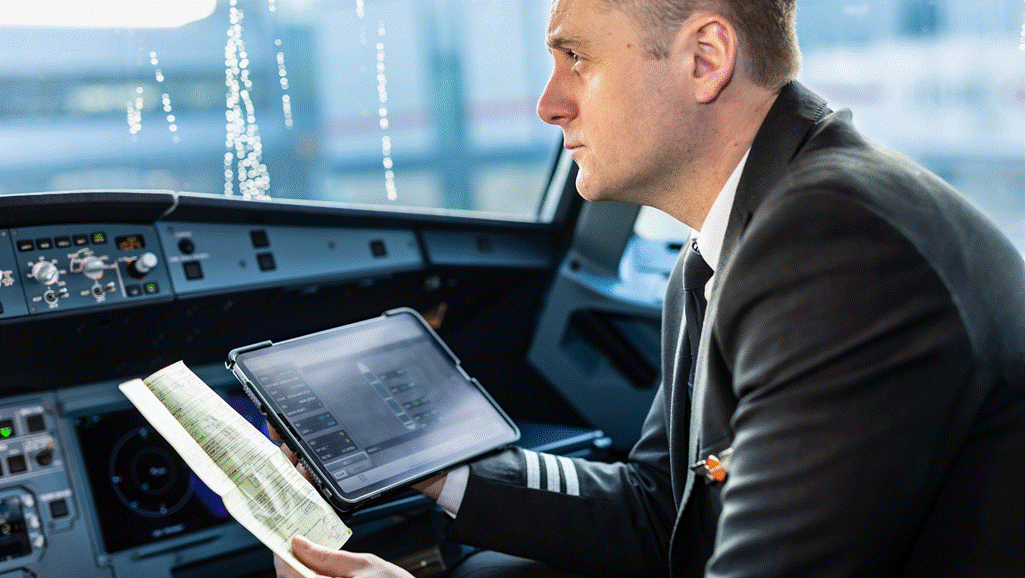
As reported by the company, easyJet has partnered with aviation technology specialist i6 Group to introduce its eHandshake digital fuelling platform across its network. The system is being integrated with the airline’s existing ETechlog pilot platform, allowing fuel orders and deliveries to be managed and verified digitally.
This move is intended to give pilots and operational teams more accurate information about fuel requirements while reducing the risk of aircraft carrying unnecessary fuel, which adds to the weight while increasing consumption and associated emissions.
Operation record
The eHandshake system will create a digital record of each refuelling operation, covering the amount of fuel planned, ordered, delivered and ultimately accepted.
easyJet says that by bringing pilots, suppliers and airline operations teams onto the same digital process, the system should improve communication, reduce delays and provide greater oversight of fuelling activity.
The airline also expects the initiative to have a significant impact on its use of paper. According to easyJet, replacing paper-based processes with a single digital workflow could eliminate around 600,000 sheets of paper each year.
Implementation stages
The implementation will take place in stages, with the initial rollout expected to cover roughly half of easyJet’s network, as the airline aims to extend the technology to around 90 percent of its destinations over the next three years.
Adam Baker, easyJet’s Head of Fuel Performance, said the partnership with i6 Group would provide the airline with a more connected approach to fuel management while giving it greater visibility of operations and opportunities to reduce consumption.
The airline’s wider decarbonisation strategy includes fleet renewal, operational efficiencies, sustainable aviation fuel, airspace modernisation and the development of zero-carbon aircraft technology.
easyJet has set a science-based target to reduce carbon emissions intensity by 35 percent by 2035, against a 2019 baseline, as part of its longer-term ambition to reach net zero by 2050.
The company says the combination of improved data, more accurate fuel ordering and reduced unnecessary weight could deliver both environmental and operational benefits as the system is expanded across its European network.
Set The Portugal News as your preferred source for news on Google
 Add as a preferred source on Google








 Portugal Handbook
 English
 Nederlands
 Deutsch
 Français
 Español
 Italiano
 Svenska
 Pусский
 中文
中文 Türkçe
 Português
 Czech
Czech Hungarian
 Polski
 عربي
عربي Suomi
Suomi עִברִית
 Português (Brasil)
Follow us on social media