


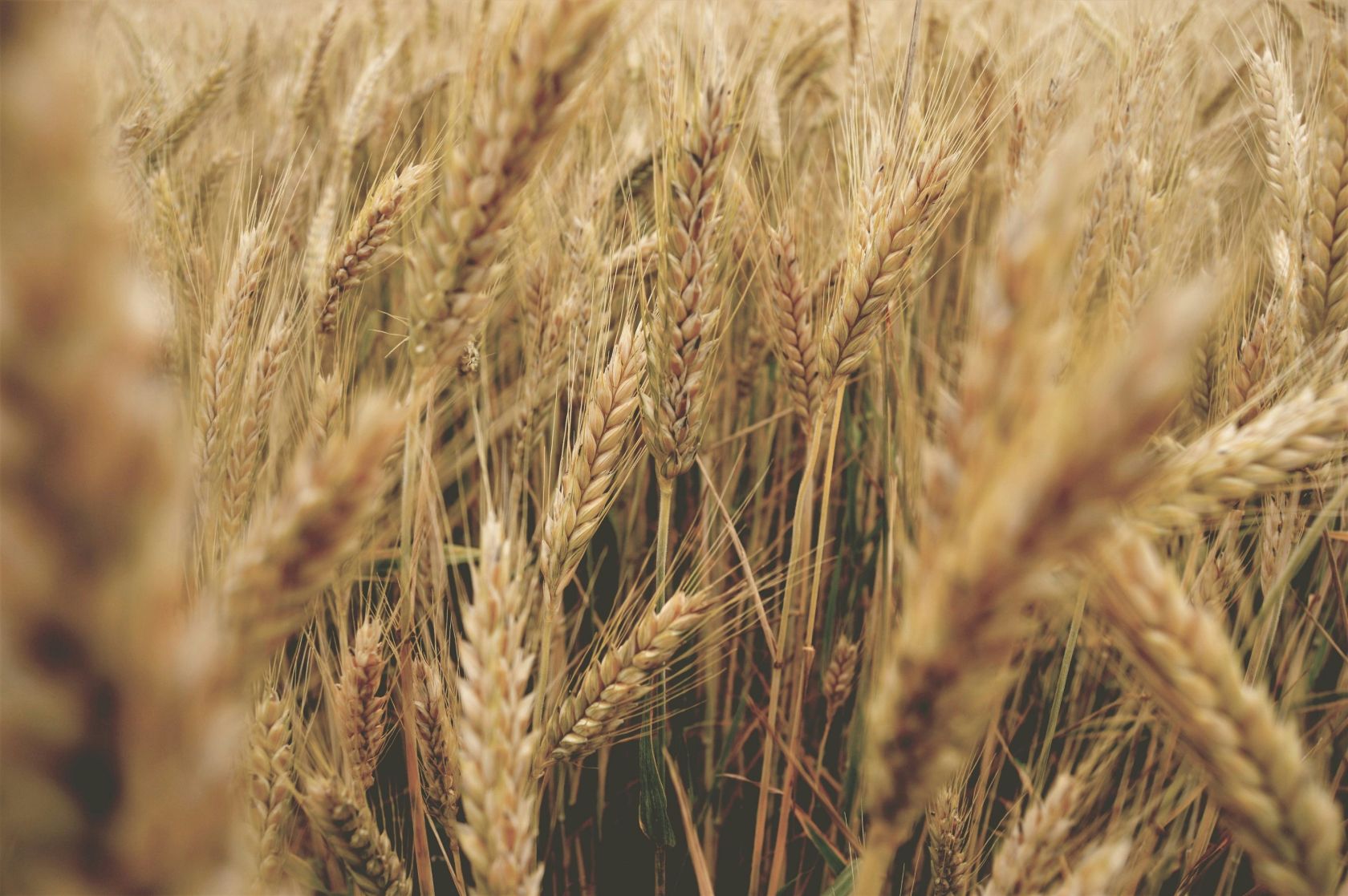
The study involves CIBIO researchers at the University of Porto and the Carlsberg Research Laboratory. "Modulating a molecular sensor allows us to obtain sorghum with triple the zinc levels," the institution explains in a statement today.
In practice, these results show how it is possible to precisely biofortify essential crops. This approach can sustainably address global micronutrient deficiencies.
This response is important given zinc deficiency's impact on human development. According to the study, about 30% of the global population suffers from micronutrient deficiencies. The analysis focused on a specific gene in sorghum, a major and drought-resistant cereal.
“FIND-IT” technology enabled the discovery of plants with a gene variant that increases zinc absorption. This triples the zinc content in the grains.
Ana Assunção, one of the researchers, stated in a press release, “This result exemplifies how fundamental research in plant biology, in this case on the molecular regulation of plant nutrition, contributes to solving global human nutrition problems in a sustainable way.”
The article by Liliana S. Silva, Ana Assunção, Soren Knudsen, Anko Blaakmeer, and Feixue Liao reports the first instance of zinc biofortification in sorghum. Researchers are also seeking similar solutions for other widely consumed crops.
 Add as a preferred source on Google





 Portugal Handbook
 English
 Nederlands
 Deutsch
 Français
 Español
 Italiano
 Svenska
 Pусский
 中文
中文 Türkçe
 Português
 Czech
Czech Hungarian
 Polski
 عربي
عربي Suomi
Suomi עִברִית
 Português (Brasil)
Follow us on social media