


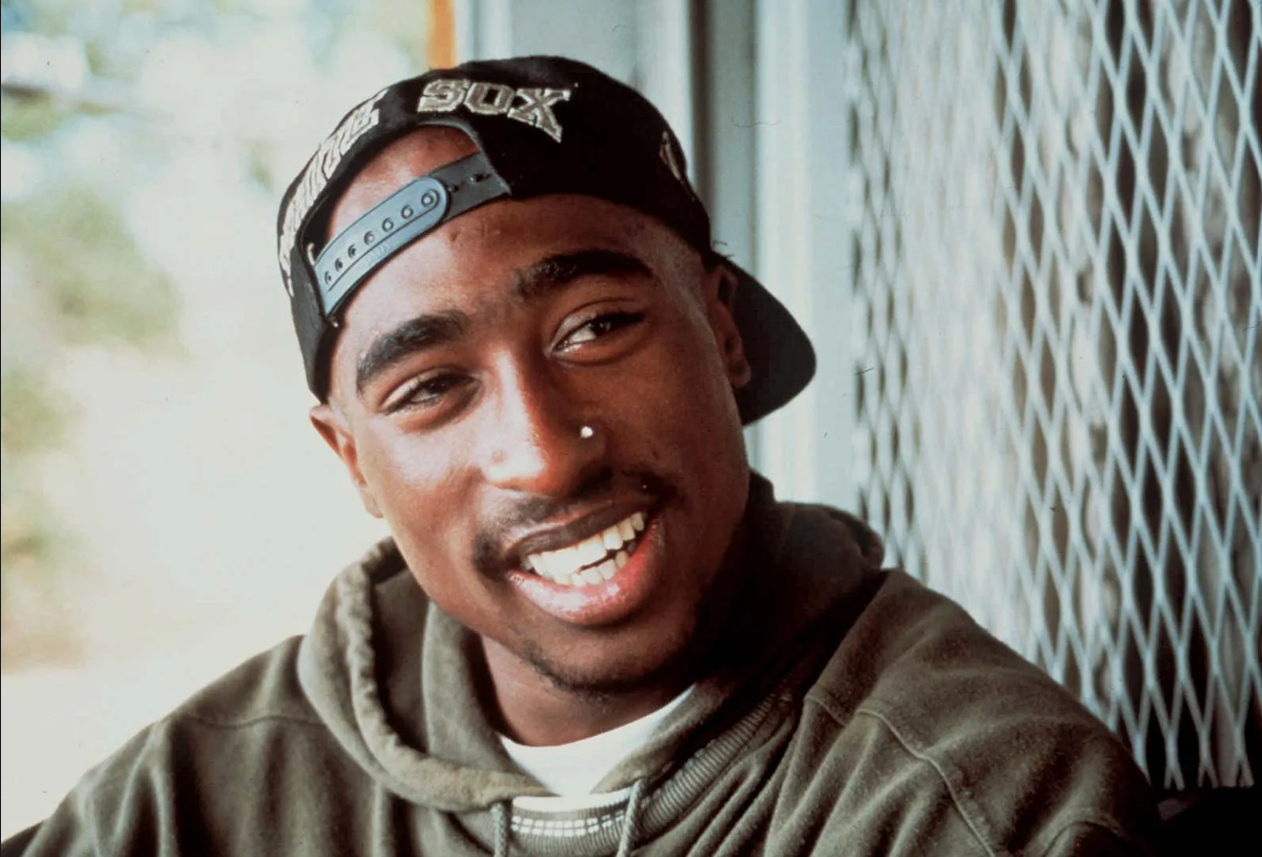
Thirty years after the never-solved death of the rap legend, this former figure of the South Side Compton Crips, a gang from a Los Angeles neighbourhood, was on trial for ordering the murder and providing the murder weapon.
On 31 August, after deliberating for only a few hours, the jury found him guilty of "aggravated murder with the use of a deadly weapon," with sentencing scheduled for 13 October.
Appealing the decision
Addressing Judge Carli Kierny after the verdict was announced, Duane Davis stated in the courtroom that he intended to appeal the decision.
In the final phase of this trial, closing arguments from the prosecution and defence lasted approximately five hours.
Closing arguments
In closing arguments, prosecutor Binu Palal, representing the State of Nevada (southwest), insisted on the prosecution's theory that this was retaliation for the assault on Duane Davis's nephew, Orlando Anderson, in which Tupac Shakur had participated, in a cycle of revenge.
The defendant, repeatedly described as the 'caller for the shot,' whose orders were obeyed by members of the Crips, faces life imprisonment without the possibility of parole.
Record label dispute
The dispute pitted two record labels, Death Row Records and Bad Boy Records, founded by Sean "P. Diddy" Combs, each resorting to a rival gang to ensure the protection of their artists, against the backdrop of the war between the "Crips" and "Bloods" gangs in Los Angeles, which peaked in the 1990s.
"Duane Davis, in gang culture, couldn't let this go," Palal stated, referring to the public humiliation of his nephew, a few hours before the shooting of Tupac Shakur.
"He fixed the gun, organised the group, and pursued Shakur," he enumerated, insisting on the premeditated nature of the defendant's actions, a former drug dealer, and invoking Davis's own statements.
In 2008, Duane Davis admitted to investigators that he was in the white Cadillac from which the shots were fired. But since the confessions were made under an agreement that provided for partial immunity, they could not be used against the defendant.
Later, Davis spoke to the media before publishing, in 2019, a compromising memoir in which he recounts that he was in the passenger seat and that he passed the gun to the occupants of the back seat, without revealing the shooter's identity.
Arrested in September 2023 after this publication, Duane Davis, who pleads not guilty, now claims that the book was fictionalised by the co-author and that he was in Los Angeles on the night of the murder.
"For almost 18 years, Duane Davis has told police, on television, in books, and to interviewers on YouTube, to anyone who would listen, that he was responsible for the murder of Tupac Shakur. Tell him you heard him plead guilty," the prosecutor declared to the jurors.
But defence attorney Michael Sanft rejected these statements, calling them "just words," and stated that his client was seeking to promote sales of the memoirs for purely financial gain.
"You are reading a book that is fiction and not facts, but the prosecution wants you to believe that it is, in some way, a confession that he was there at the time of the shooting," he argued, highlighting the absence of material evidence.
Neither the Cadillac nor the murder weapon were ever found.
"With all the means at the disposal of the police, there is nothing in this case that proves that this man was in Las Vegas on 7 September 1996," Michael Sanft continued.
That night, shots fired from a white Cadillac wounded Tupac Shakur in Las Vegas after he attended a Mike Tyson boxing match. The rapper died six days later, at the age of 25.
Set The Portugal News as your preferred source for news on Google
 Add as a preferred source on Google






 Portugal Handbook
 English
 Nederlands
 Deutsch
 Français
 Español
 Italiano
 Svenska
 Pусский
 中文
中文 Türkçe
 Português
 Czech
Czech Hungarian
 Polski
 عربي
عربي Suomi
Suomi עִברִית
 Português (Brasil)
Follow us on social media