


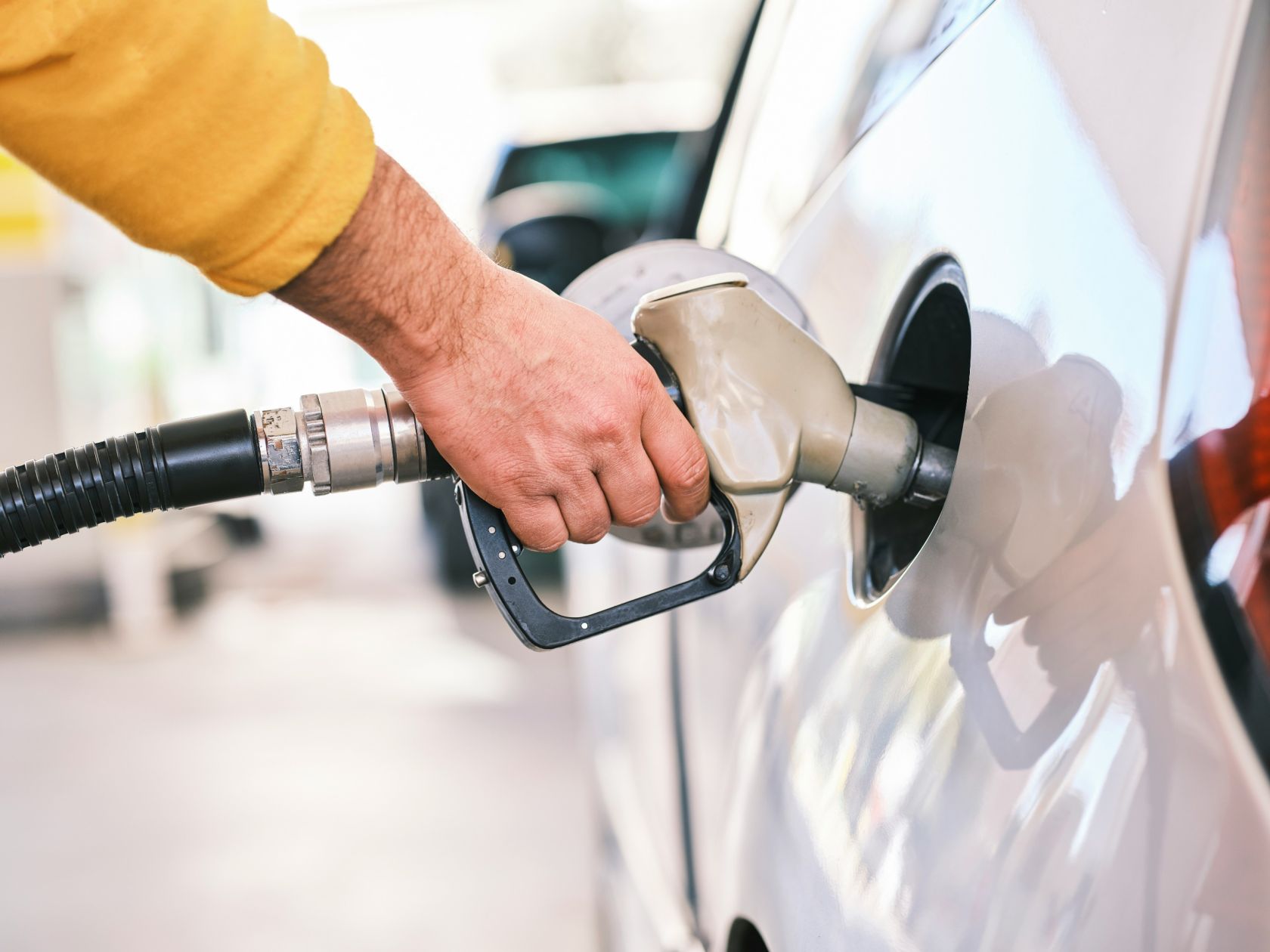
According to the Energy Services Regulatory Authority (ERSE), persistently high prices, around 2 euros per litre, have triggered a broad contraction in demand.
LPG consumption dropped 36% from March, diesel fell 17.42%, and gasoline decreased 7%.
ANAREC is most concerned about the sharp drop in diesel use. Their vice-president, João Freitas, notes diesel reflects real economic activity—company operations, freight, logistics, agriculture, and small industry.
Retailers see April's drop as a sign that businesses and individuals are more price-sensitive and adjusting consumption amid uncertainty, worsened by Spain's new tax discounts on border posts.
Epcol offers a contrasting view, noting that March’s unusually high consumption, driven by early purchases and stock replenishment, makes April’s decline seem more pronounced.
Epcol notes global fuel consumption is up 3% year to date. The price increase hasn't slowed economic activity or changed consumer habits; alarm over scarcity remains absent.
Private consumption remains resilient, aided by gasoline-hybrid vehicles. LPG volatility follows seasonal patterns in domestic and restaurant use.
This monthly instability is challenging for retail networks, which must manage high fixed costs amid volatile sales. At the end of April, diesel averaged €1.955 per litre and gasoline €1.928. Both prices continued rising into May, with gasoline breaking €2 per litre (€2.013).
Despite rising private transport costs, high-capacity public transport operators in the capital did not register a surge in passenger flows.
CP reports steady growth, not directly tied to the fuel crisis. Lisbon Metro recorded a 1.7% year-on-year decline in passenger volume in April.
In contrast to land-based transport, the aviation sector saw jet fuel consumption rise by 4.6% from March, directly reflecting growing passenger traffic at airports.
 Add as a preferred source on Google







 Portugal Handbook
 English
 Nederlands
 Deutsch
 Français
 Español
 Italiano
 Svenska
 Pусский
 中文
中文 Türkçe
 Português
 Czech
Czech Hungarian
 Polski
 عربي
عربي Suomi
Suomi עִברִית
 Português (Brasil)
Follow us on social media