


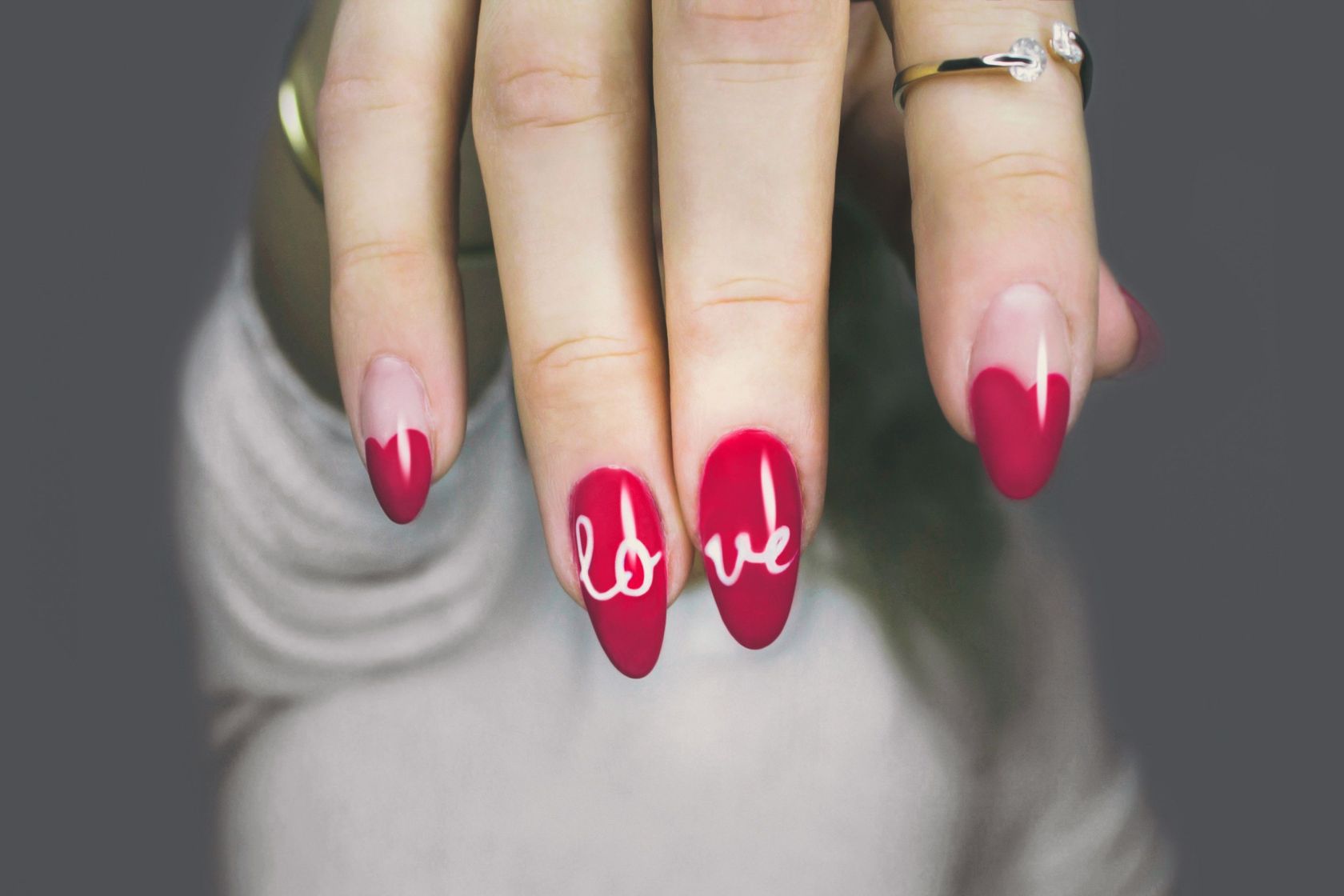
I thought this might be of more interest to women, but apparently some men do ‘get their nails done’, not just manicures, but false nails too. While women make up the majority of salon clients, the concept of a ‘guy getting his nails done’ is becoming more mainstream and widely accepted these days as a part of personal grooming. Nail art has become a form of self-expression in modern society, but its roots date back to ancient civilizations - from intricate designs worn by Egyptian royalty, both male and female. The ‘arty’ side of nail art seems to be going out of fashion of late, though having them strengthened and lengthened is still popular.
I personally like having my nails done every few weeks, and enjoy the little ‘me’ time it offers. I don’t know why I bother to be honest, as I spent a lot of time grubbing around in the garden, and I don’t otherwise really look after my hands. I certainly don’t go out swanning around drinking cocktails and waving nicely manicured fingers in the air to make my point, but it’s just something I have always done. I admit everyday tasks become an extreme sport for excessively long artificial nail wearers – try opening a can of beer in a hurry with a fistful of long nail extensions or unzipping tight jeans in a hurry!
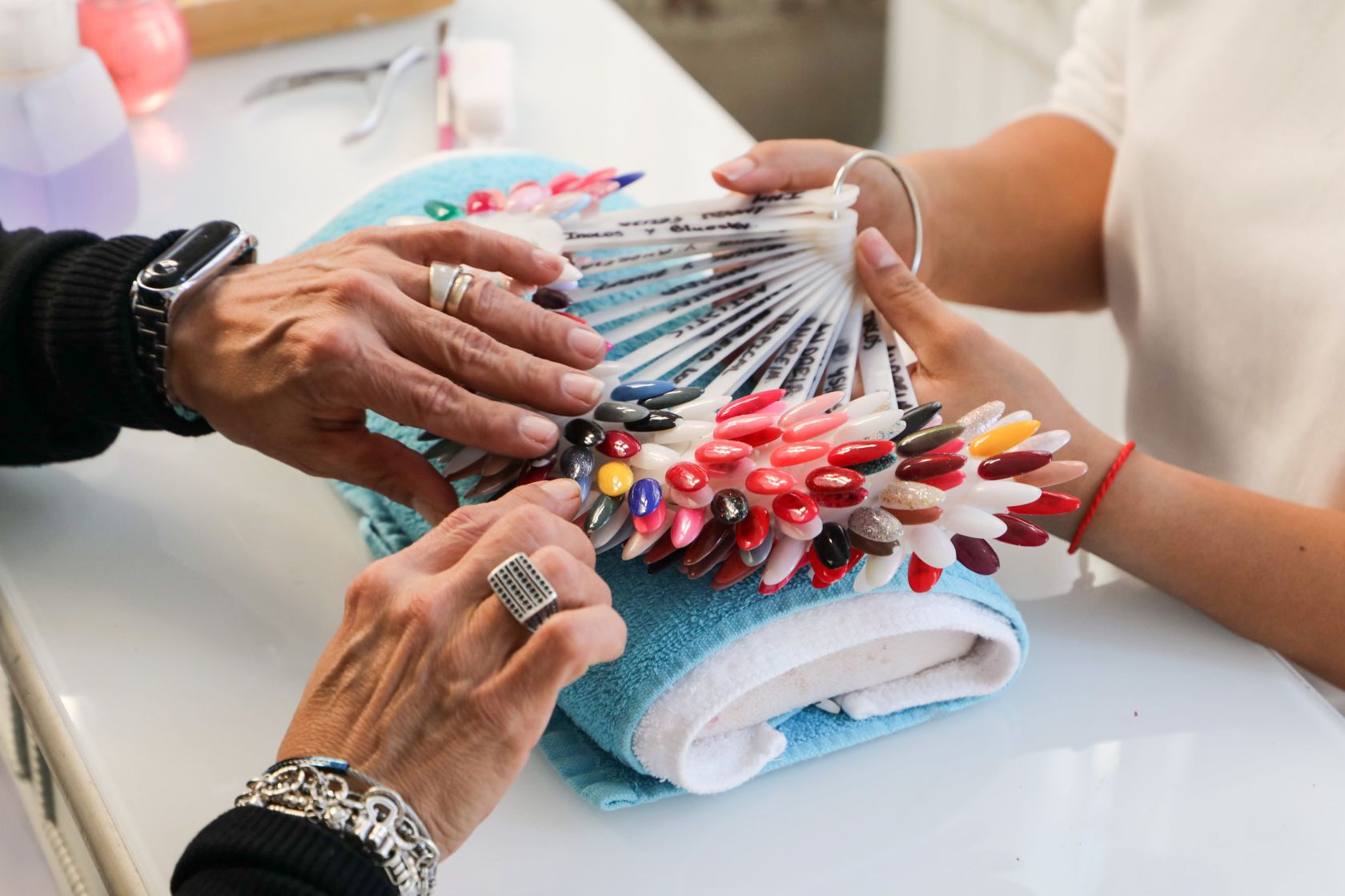
It all started in Egypt and Babylonia, where the wealthy used henna and gold or silver to decorate their fingertips. It was common for the wealthy to adorn their nails, and served as a status symbol, with the colour of nails indicating social class, and meant that the wearer was exempt from manual labour, with dark colours being reserved for the elite. In China, royal families mixed egg white, beeswax or gelatin and natural dyes - perhaps flower petals - to adorn their nails, and was a sign of nobility.
How do Historians know about these things?
Historians and archaeologists have pieced together information about ancient nail art through physical evidence (such as mummified remains), old written texts, and surviving artefacts. These clues reveal that manicures were a major indicator of social status long before the invention of modern polish. In a bizarre 19th-century European trend, some upper-class women in Greece used empty pistachio shells glued over their nails as extensions.
The accidental invention by a dentist!
The 1920s saw the invention of the first modern liquid nail polishes, and by the 1940s, brands like Revlon began using pigments instead of dyes, opening the door for endless colour variations.
But in the early 1950’s, it’s said that a dentist named Fred Slack from Philadelphia accidentally invented the first artificial acrylic nail. He had cut his thumb nail at work, and botched together an artificial nail using dental acrylic resin and aluminium foil as a realistic-looking temporary replacement. After experiments with different materials to perfect his invention, he and his brother, Tom, patented a successful version and started the company Patti Nails.
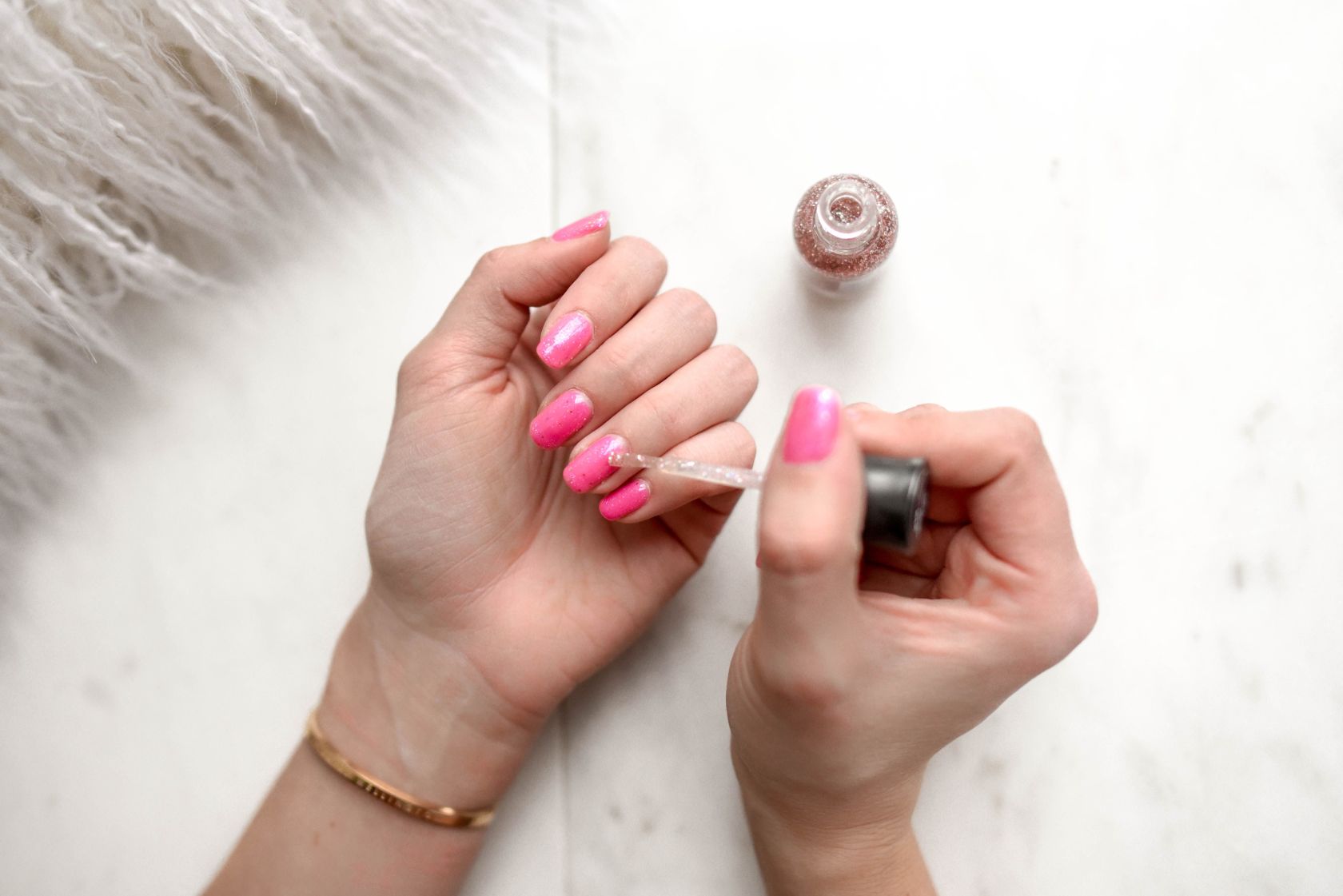
In the 1970s, acrylic nails revolutionised the nail industry. With acrylics, women could have longer, stronger nails that could be shaped and painted in any way they desired. This opened up a whole new world of possibilities for nail professionals. Acrylic nails also allowed for the use of 3D designs, such as gems and rhinestones, which added a new level of glamour to nail art. This trend continued into the 1980s, with bold and colourful designs becoming popular.
Beyond the Grave
Bizarrely they say nail polish is frequently used on deceased bodies. Morticians often paint nails—or touch up existing polish—as part of normal mortuary cosmetology, typically to prepare the person for an open-casket viewing or funeral, as natural nails can sometimes look bruised or discoloured after death. Although embalming is dependent on personal, cultural, and religious preferences, morticians have revealed that nailbeds can stay purple after embalming due to an imbalance in fluid distribution, and painting finger and toe nails is quite common. And acrylics? If you die wearing them, they stay on, and unless being cremated, no doubt someone in the future will reveal how long they stay looking good!
 Add as a preferred source on Google






 Portugal Handbook
 English
 Nederlands
 Deutsch
 Français
 Español
 Italiano
 Svenska
 Pусский
 中文
中文 Türkçe
 Português
 Czech
Czech Hungarian
 Polski
 عربي
عربي Suomi
Suomi עִברִית
 Português (Brasil)
Follow us on social media