


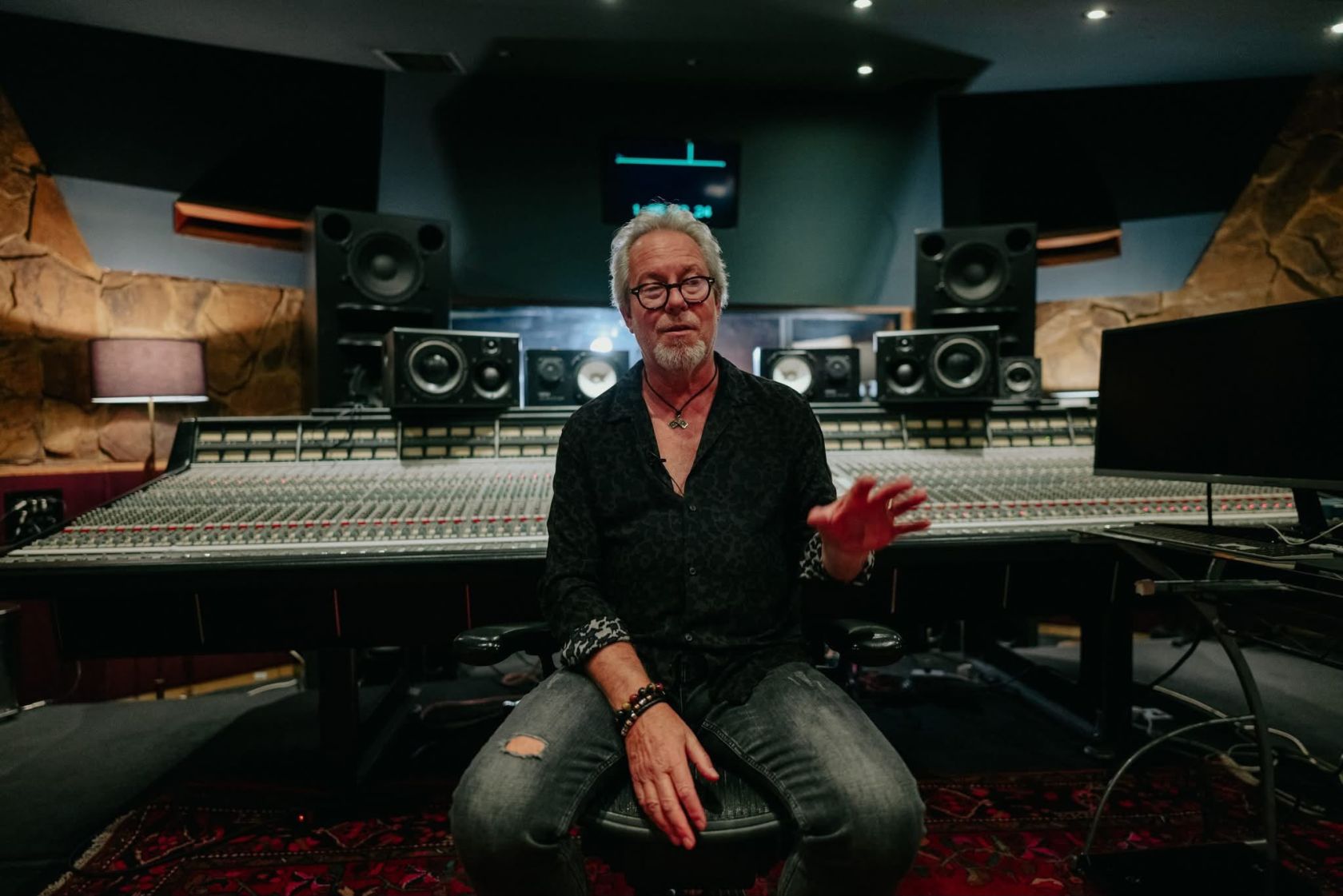
Yet behind the boardroom doors, the piano remained an undeniable life calling. After turning his back on business 15 years ago to pursue music full-time, the London-based composer and pianist has amassed a global audience with his deeply emotive, original compositions.
Ahead of his upcoming album releases, including a piano collection later this year and an ambitious orchestral project exploring modern conflict, Moss spoke about his late-career transition, his creative process, and why he refuses to play covers.
Watch the full interview here 👇👇👇
TPN: You spent many years working in business before pursuing music professionally. Did you always know that music was where you belonged?
Duncan Moss: Yes, I did. I started playing the piano when I was six, nearly 60 years ago now, and I never had to be told to practise; I couldn’t wait to get on it. By the age of 15 or 16, everything was pointing towards a career as a musician.
However, two things happened around that time. First, I watched a 13-year-old on the Young Musician of the Year competition who played a Rachmaninoff concerto so brilliantly that I thought, “There’s only room for three in the world, and this kid is already better than me.” Second, my piano teacher realised I was spending three hours a day writing my own music rather than focusing strictly on the classical syllabus.
Back then, making a living as a young musician was very difficult, and I was determined not to be poor. So, I chose to earn a living in business instead. It was only much later in life that I decided to return to it to scratch that lifelong itch.
TPN: Your compositions are strictly original. Why did you decide against playing covers or popular standards?
Duncan Moss: It was a very conscious decision. When I went full-time about a decade ago, many people advised me to play covers to gain traction.
While I can play other people’s music, I had put off my own passion for nearly a lifetime. I decided that when I finally did it, I would play my own work.
I write what I want to write without anyone telling me what I can or cannot do. It is a real luxury and extremely cathartic. My view has always been that if I like it, that is great, and if other people like it, that is a bonus. Over the years, that audience has grown globally, and connecting with listeners through social media has been extraordinary.
TPN: Was there a specific catalyst that prompted your complete shift from the business world to full-time music?
Duncan Moss: I enjoyed my business career, but I was always haunted by the thought of spending my time on earth having only ever done one thing. A quote by the American poet Charles Bukowski resonated deeply with me: “Can you remember who you were before the world told you who you should be?”
After leaving property, I dabbled in private equity investments and angel start-ups, and I lost a fortune. It made me ask myself why I was trying to do things I wasn’t truly cut out for, rather than focusing on the one thing that came to me naturally: music. My family and friends said, “About time—what took you so long?” Once I made that leap, I turned my back on business completely.
TPN: Where do your melodies come from, and how do you capture them when inspiration strikes?
Duncan Moss: If I knew where they came from, I’d be very happy! I wrote my first piece when I was six, and the process has never stopped. Melodies arrive in two ways: either I hear a tune evolving inside my head, or I sit down at the keys and play the first thing that comes to mind until something aligns.
When a tune strikes, I have to record it straight away. My phone’s voice notes are full of terrible humming and whistling because if I wake up in the middle of the night with an idea, I know I will forget it by morning if I don’t capture it immediately—much to my wife’s dismay.
TPN: You are currently collaborating with a musician and scientist to explore the neuroscience of music. What draws you to that area?
Duncan Moss: It is a fascinating project. We are looking at the neuroscience of music, brainwaves, and sonic frequencies, observing how certain musical patterns cause brain activity to align. Music affects people in profound ways—some listeners are moved to tears within minutes, while others remain entirely unaffected. I am eager to understand the scientific reasons behind that deep emotional and physical connection.
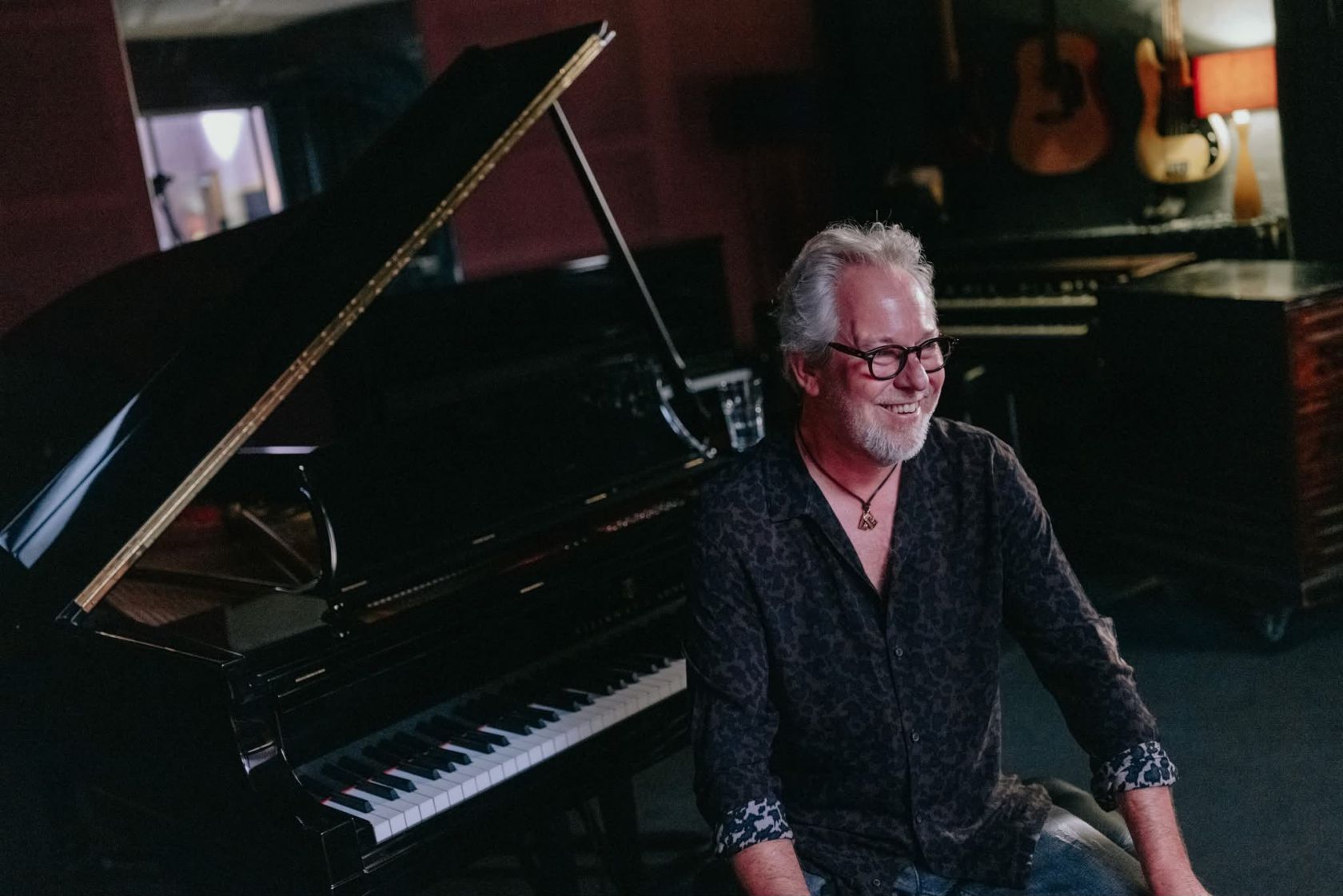
TPN: Your previous albums, Mnemonics and Hope, drew heavily on personal memories and real-world events. Is music your way of processing the world around you?
Duncan Moss: Absolutely. When you operate in an artistic mindset, your antennae are constantly twitching. You pick up on conversations, news stories, or personal experiences, and music becomes the outlet through which you express your reaction.
For instance, pieces on my earlier albums were written after my mother passed away, during the COVID-19 lockdowns in London, or following the births of my grandchildren. My upcoming orchestral project, War and Peace, similarly stems from processing modern geopolitics and conflict.
It is a coping mechanism, and melody is my way of telling stories and preserving feelings.
Looking Ahead: Life, Tides, and the Power of Melody
For Duncan Moss, the decision to trade high-stakes finance for full-time composition has proven to be far more than a second career—it is the fulfilment of a lifelong promise made at six years old. Today, working from his home studio situated directly on the banks of the River Thames near Canary Wharf, Moss’s daily recording routine is uniquely governed by the natural world; sessions are frequently paused to allow the audible rumble of the rising tide to subside before resuming his work at the keys.
This heightened awareness of his surroundings permeates every aspect of his artistic output. Whether reflecting on the eerie silence of central London during the 2020 lockdowns, immortalising the loss of his beloved mother in the piece Goodbye Mum, or translating the visceral tragedy of global conflicts into orchestral arrangements, Moss treats music as both a personal sanctuary and a shared dialogue. That dialogue is maintained with extraordinary dedication: having personally replied to upwards of 50,000 listener comments across social media platforms over recent years, he views the bond with his global audience as a vital duty rather than an afterthought.
As he prepares to release his next solo piano album later this year, recorded in his London riverside studio, followed by the ambitious, conflict-inspired War and Peace orchestral suite, Moss remains firmly focused on authentic storytelling. His journey serves as a compelling reminder that it is never too late to strip away corporate expectations and return to the singular passion that defines the human experience.
 Add as a preferred source on Google






 Portugal Handbook
 English
 Nederlands
 Deutsch
 Français
 Español
 Italiano
 Svenska
 Pусский
 中文
中文 Türkçe
 Português
 Czech
Czech Hungarian
 Polski
 عربي
عربي Suomi
Suomi עִברִית
 Português (Brasil)
Follow us on social media