


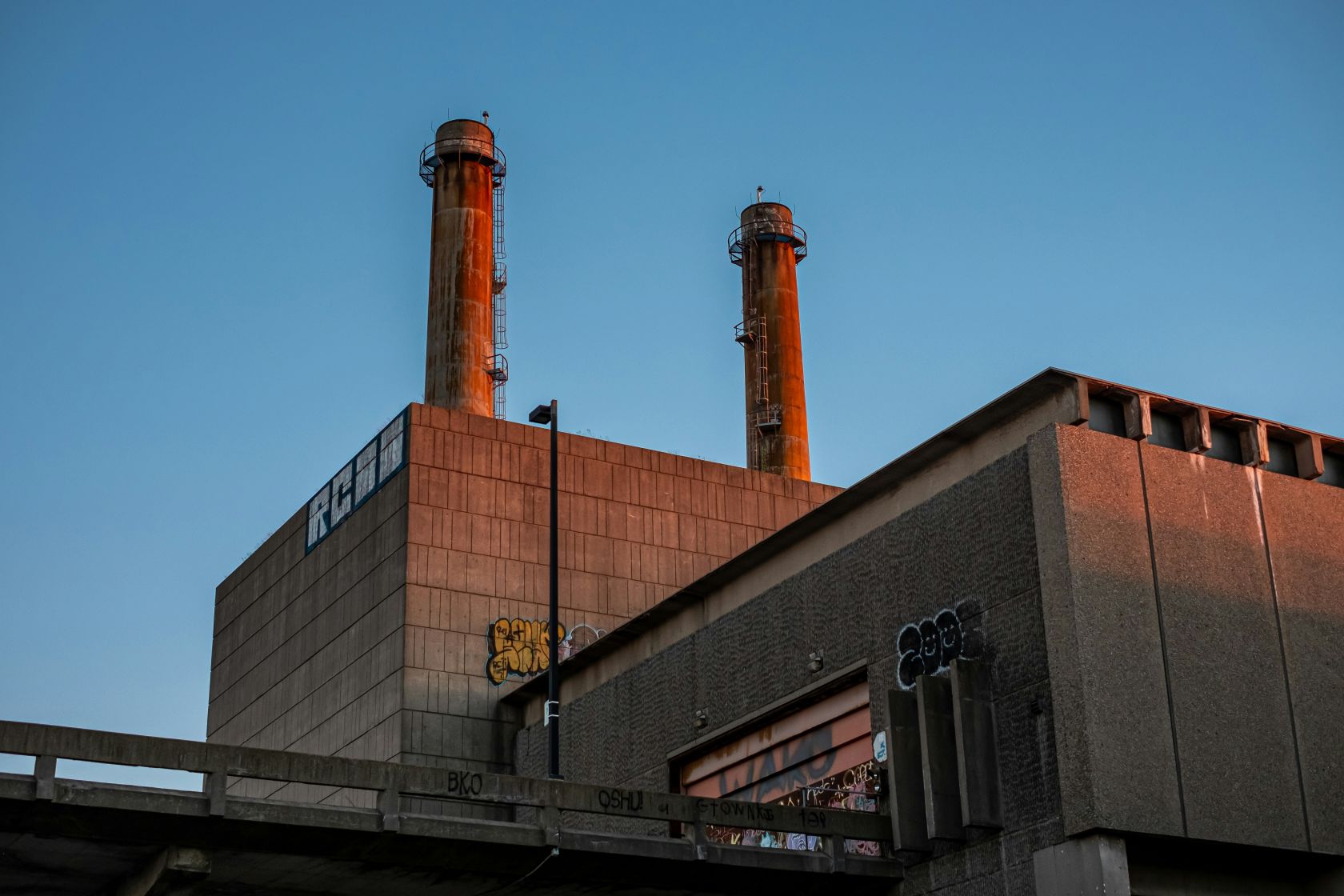
The Portuguese environmental association also justified its opposition to the creation of a waste-to-energy plant in the Algarve by stating that burning waste produces more polluting gases than fossil fuels and is contrary to a circular economy.
"The incinerator proposed by the Government for the Algarve is a completely anachronistic and inadequate solution to address the depletion of the region's two landfills, being completely counterproductive to the goals of the PERSU [Strategic Plan for Urban Waste 2030] and the climate objectives to which Portugal has committed," Quercus stated in a press release.
Construction of the incinerator
The Minister of Environment and Energy, Maria da Graça Carvalho, announced on 8 August the construction of a waste-to-energy plant in the Algarve to address the depletion of the region's two landfills, which is expected to occur within two years.
But Quercus considers this to be an “end-of-the-line” infrastructure that will replace landfills with “another final disposal solution.”
The association advocates adopting a response that allows for “reducing waste production, significantly improving sorting, and making the system resilient to seasonal fluctuations,” and notes that “incineration is not designed for seasonal waste peaks.”
Waste production
“The Algarve is currently the region of the country that produces the most waste per capita: 400,000 tons/year, with the vast majority (85%) ending up in landfills, which are at risk of being exhausted by 2027. But it was only possible to reach this point of near collapse due to decades of underinvestment in sustainable waste management and in circular recovery systems,” it lamented.
Quercus argued that the strong weight of the tourism sector is reflected in waste production, and this “makes proper processing difficult during periods of higher demand,” causing “structural instability in the sector itself — namely in the hiring of personnel, which needs to respond to peaks that last only a few months.”
The region should, alternatively, “strengthen its sorting and treatment capacity during critical months” to solve the problem at the source, an objective that, according to Quercus, will not be achieved by burning waste.
“The €300 million investment in an incinerator is in total contradiction with the measures advocated in PERSU 2030,” warned Quercus, stressing that the plan aims to avoid and reduce waste production, strengthen selective collection, increase recycling and recovery, valorise bio-waste, and reduce landfilling and incineration.
The environmental association wants the Government to disclose the studies that underlie the decision to proceed with an incinerator in the Algarve and accused the executive of “lack of political will” when it comes to “considering less harmful alternatives for the Environment” and with “proven results.”
Among these alternatives is adjusting the Algarve's waste reduction and recycling targets to fluctuations in production. Seasonal adjustments, incorporating tourists into the calculation, assessing waste that cannot be recycled, or strengthening the capacity and efficiency of existing mechanical and biological treatment (MBT) facilities.
High-efficiency door-to-door selective collection, container user identification and the adoption of a "Pay As You Throw" taxation system, the installation of Volta system collection points next to beach support facilities, or the commitment to municipal community and home composting projects are also among the association's proposals.
 Add as a preferred source on Google





 Portugal Handbook
 English
 Nederlands
 Deutsch
 Français
 Español
 Italiano
 Svenska
 Pусский
 中文
中文 Türkçe
 Português
 Czech
Czech Hungarian
 Polski
 عربي
عربي Suomi
Suomi עִברִית
 Português (Brasil)
Follow us on social media