


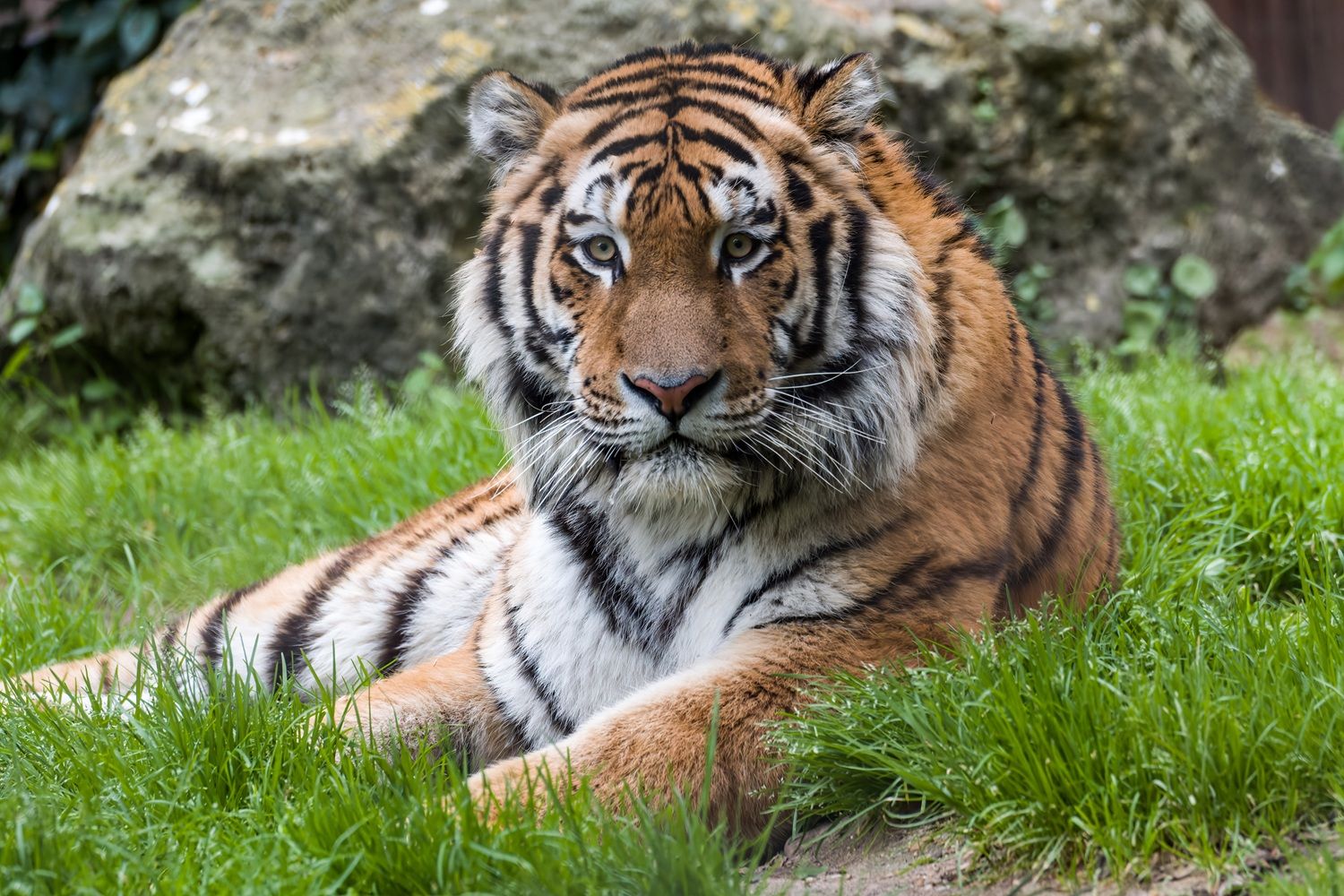
The two-year-old Siberian tigers, a female named Tochka and a male of the same age, recently joined the institution in the Portuguese capital through the European Endangered Species Programme (EEP), coordinated by the European Association of Zoos and Aquaria (EAZA).
Breeding partners
Tochka was born at Cologne Zoo in Germany in 2024, while the male was born the same year at Zlín-Lesná Zoo in the Czech Republic, as European species coordinators selected the pair to become future breeding partners, helping to maintain the genetic diversity and long-term sustainability of the captive Siberian tiger population.
According to zoo officials, the tigers have already begun exploring their surroundings, and the adaptation period will allow the animals to become familiar with their environment, offering visitors the opportunity to catch a glimpse as they settle into their enclosure.
More than a century ago, an estimated 100,000 tigers roamed natural habitats across Asia, but conservationists believe only between 5,500 and 6,000 remain in the wild today, largely due to habitat loss, poaching and the illegal wildlife trade.
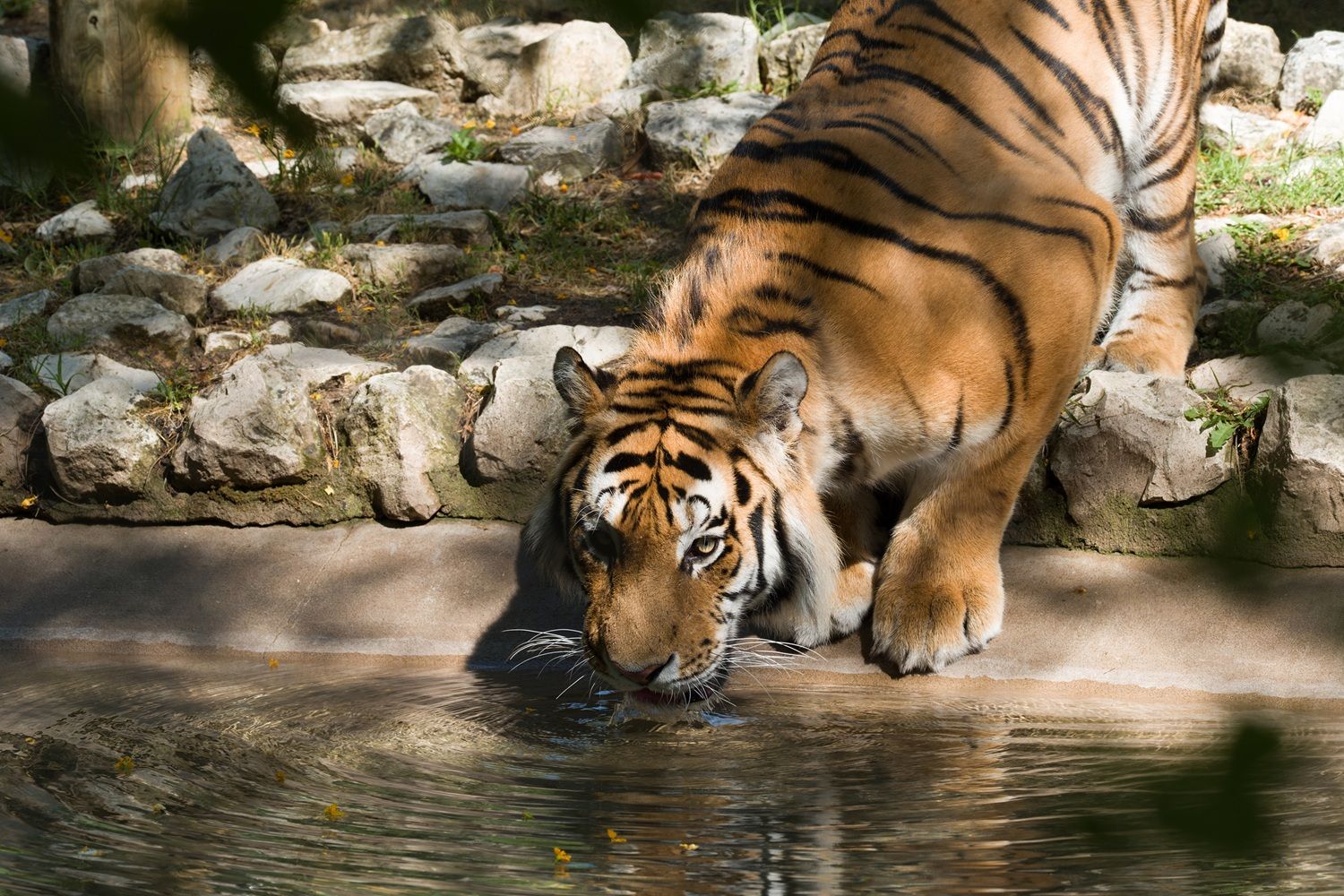
Their arrival underscores the growing importance of international conservation initiatives at a time when tiger populations in the wild remain under severe pressure.
Collaborative conservation
Lisbon Zoo said the new pair forms as part of a coordinated European strategy involving zoological institutions across several countries, aiming to maintain healthy, genetically diverse populations under human care while supporting broader conservation goals for the species.
Known also by the Amur tiger, the Siberian tiger (Panthera tigris altaica) is the largest surviving tiger subspecies and the biggest member of the cat family, which adapted to the harsh climates of eastern Russia and neighbouring regions, weighing over 300 kilograms and travelling vast distances throughout their territories.
Despite their status as apex predators, Siberian tigers continue to face threats from shrinking habitats, declining prey populations, and illegal hunting, with accredited zoos playing a significant role in preserving the species through coordinated breeding, research and conservation programmes.
Founded in 1884, Lisbon Zoo is home to more than 2,000 animals representing around 300 species, many of which are threatened with extinction. The institution participates in international breeding, research as well as reintroduction projects and is a member of both the European Association of Zoos and Aquaria (EAZA) and the World Association of Zoos and Aquariums (WAZA).
Set The Portugal News as your preferred source for news on Google
 Add as a preferred source on Google








 Portugal Handbook
 English
 Nederlands
 Deutsch
 Français
 Español
 Italiano
 Svenska
 Pусский
 中文
中文 Türkçe
 Português
 Czech
Czech Hungarian
 Polski
 عربي
عربي Suomi
Suomi עִברִית
 Português (Brasil)
Follow us on social media