


It has been almost 20 years since Portugal chose its original Seven Wonders. Now, the competition is back, this time focusing on buildings and monuments instead of natural landmarks. According to the organisers, the aim is to recognise places that have helped shape Portugal over the centuries, from medieval castles and churches to museums, bridges and more recent architectural landmarks.
As explained on the official Novas 7 Maravilhas de Portugal website, the competition began with 629 nominations from across the country. A panel of specialists selected 147 finalists, divided into seven categories: Castles, Great Works, History, Religion, 20th Century, 21st Century and Tourism. Following the regional voting stages, one landmark from each category was chosen to represent every region in the national competition.
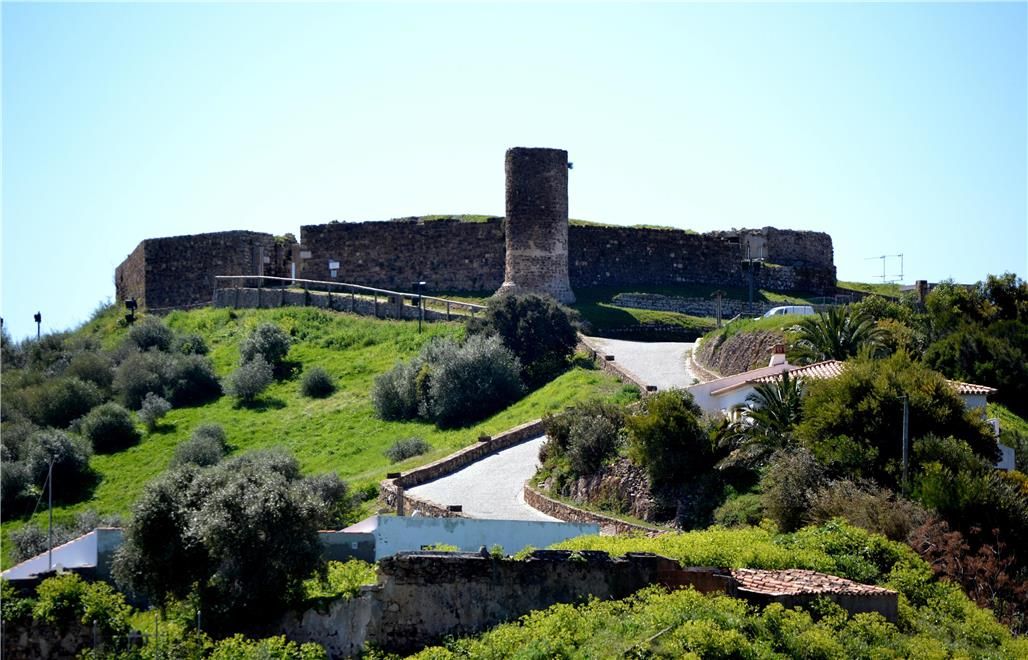
The Algarve's representative in the Castles category is Aljezur Castle, one of the region's best-preserved medieval fortresses. Built by the Moors during the 10th century, the castle stands on a hill overlooking the village of Aljezur and the surrounding countryside. Although only parts of the original walls remain, the site offers sweeping views and is a reminder of the Algarve's Moorish past.
In the Great Works category, the Algarve is represented by Marina de Portimão. Located at the mouth of the River Arade, beneath the historic Fort of Santa Catarina, it has grown into one of Portugal's leading marinas since opening in 1999. Today it welcomes sailing competitions, luxury yachts and visitors from around the world, while also serving as a popular waterfront destination with restaurants, cafés and leisure facilities.
The Ribat da Arrifana, near Aljezur, represents the Algarve in the History category. The archaeological site was uncovered during excavations in the early 2000s and dates back to the 12th century. Experts believe it was once a religious community where Islamic scholars lived and studied. Today, it is one of the Algarve's most fascinating archaeological sites and offers visitors a chance to learn more about the region's Moorish past.
Representing the Religion category is the Church of Santa Maria do Castelo in Tavira. Built on the site of a former mosque following the Christian reconquest of the town, the church has been rebuilt several times, most notably after the 1755 earthquake. It is also known as the resting place of Dom Paio Peres Correia, the knight credited with helping to conquer Tavira from Moorish rule.
The Algarve's representative in the 20th Century category is the Mercados de Olhão. Opened in 1916, the twin red-brick market buildings have become one of the town's best-known landmarks. Their distinctive architecture, often said to have been inspired by North African markets, reflects Olhão's long maritime links. More than a century later, the markets remain a busy meeting place where locals and visitors shop for fresh fish, seafood, fruit and regional produce.
In the 21st Century category, the region is represented by Portimão Arena. Since opening in 2007, the multi-purpose venue has hosted concerts, sporting events, exhibitions, trade fairs and conferences, becoming one of the Algarve's main indoor event spaces and an important venue for both local and international events.
The Palácio de Estoi represents the Algarve in the Tourism category. Built in the 19th century, the former palace is easy to recognise by its pink exterior and beautifully maintained gardens, complete with fountains and traditional azulejo tiles. After being carefully restored, the building reopened as a pousada, giving visitors the chance to stay in one of the Algarve's most distinctive historic buildings.
While only seven landmarks from across Portugal will eventually receive the title of Novas 7 Maravilhas de Portugal, the competition is about much more than choosing winners. According to the organisers, it is also an opportunity to encourage people to discover places that tell the story of the country, whether they are famous landmarks or lesser-known sites waiting to be explored.
Most people associate the Algarve with beaches and summer holidays, but the region also has castles, churches, archaeological sites and historic buildings that tell the story of its past. Having a finalist in each category shows just how varied the Algarve's heritage really is.
 Add as a preferred source on Google










 Portugal Handbook
 English
 Nederlands
 Deutsch
 Français
 Español
 Italiano
 Svenska
 Pусский
 中文
中文 Türkçe
 Português
 Czech
Czech Hungarian
 Polski
 عربي
عربي Suomi
Suomi עִברִית
 Português (Brasil)
Follow us on social media