


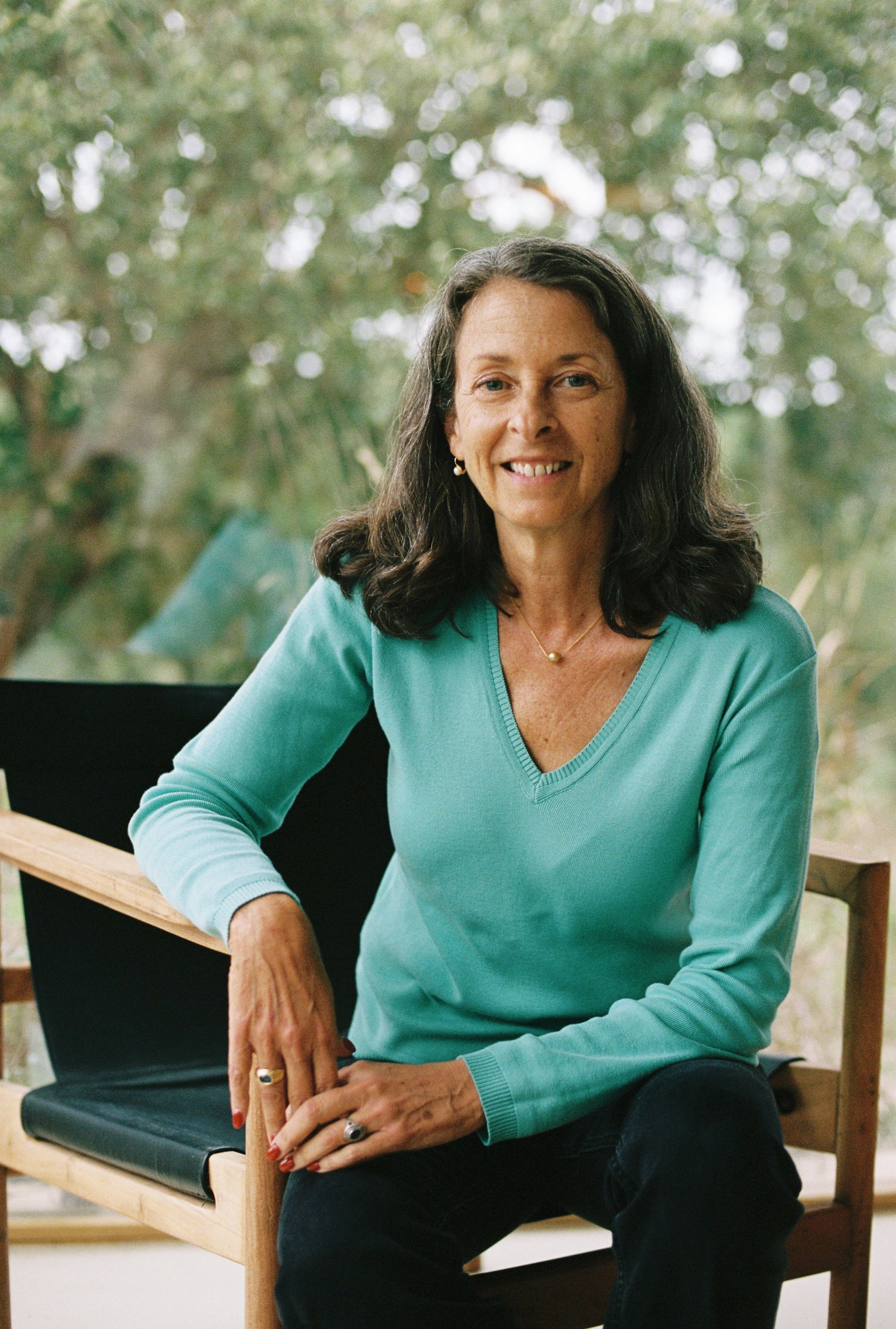
She did not expect to fall so deeply in love with the country—or to discover a systemic challenge that would inspire her next major philanthropic chapter. Today, as founder and president of the newly established Futura Foundation, Shaber is deploying her financial and strategic resources to tackle Portugal’s youth brain drain, equipping early-career women with the tools of strategic foresight, imagination, and civic problem-solving.
The initiative builds on a distinguished career spent at the intersection of medicine, management, and gender-smart finance. An obstetrician-gynaecologist by training, Shaber spent decades as a senior executive at Kaiser Permanente—one of the largest non-profit healthcare providers in the United States—where she managed care delivery for millions of patients.
“In that job, I learned about healthcare delivery and how to take care of a large group of people,” Shaber explains. “But I also learned how important women are, not only to their own health, but obviously to the health of their families and communities.”
That realisation prompted her to step down from her executive role at Kaiser Permanente in 2012. Two years later, in 2014, she established the US-based Tara Health Foundation, a pioneer in gender-smart impact investing. Through equity investments in reproductive health startups, loans to women’s health clinics, and active market engagement, Shaber explored how capital allocation could drive structural social change.
The work culminated in her co-authoring The XX Edge, a book detailing how placing women at financial decision-making tables consistently generates stronger returns and superior social outcomes—from multinational boardrooms down to community microfinance.
Yet, despite the clear evidence supporting diverse leadership, a persistent barrier remained. “A lot of times we would talk to people who would say, ‘I would hire more women, I would invest in more women’s companies, but I just don’t see them—they don’t show up on my doorstep,’” Shaber says. “So when I came to Portugal, my husband and I started thinking about ways we could give back.”
Consulting closely with local social sector experts in 2023, Shaber identified residential housing and talent retention as two of the most pressing socio-economic hurdles facing Portugal today. “Most of the young people we met would leave the country for their opportunities,” she notes. “Could we provide housing for early-career women—who often don’t have access to resources like this—to help build a pipeline of talent that would stay and build solutions important for Portugal?”
The response to that question is the Futura Foundation. Currently self-funded by Shaber and her husband, the foundation is renovating a dedicated building in Lisbon that will serve as a multi-use hub.
Designed specifically to support early-career women, the facility will accommodate 12 fellows annually once fully operational, providing housing alongside an intensive, interdisciplinary curriculum. Two floors of the building will function as a community space—a club where locals, expatriates, and visiting scholars can interact, attend lectures, and collaborate with the fellows.
Rather than offering a conventional academic fellowship, Futura focuses heavily on cultivating systemic and human-centered skills that Shaber believes are increasingly endangered in the digital age. Central to this approach are “future thinking”—the scientific ability to anticipate societal needs 20 to 50 years ahead—and the active practice of imagination.
“It’s so funny to think about imagination as a skill because we’re all born with it,” Shaber observes. “But with so many tools available—all the AI that we’re flooded with now—it’s easy to stop thinking. If we just turn to AI to solve the world’s most pressing problems, we’re never going to see the solutions that really bring us to a better world.”
The foundation is actively testing and refining its methodology through a series of “prototypes” across Portugal ahead of its full launch. The first major test took place recently in Porto through a community engagement exercise called the “Time Machine,” focused on urban ecological futures (“Blue-Green Porto in 2050”). The event brought together around 120 participants and featured prominent voices, including world-renowned artist Joana Vasconcelos, University of Porto researcher José Miguel Lameiras, and Teresa Vicente, recipient of the 2024 Goldman Environmental Prize.
Embedded within the Porto event was a micro-fellowship bringing together 11 local young women for two four-hour workshops on futures-literacy. “The fellows put together a map with the help of the full audience that we’re going to be handing off to the local government, to the deputy mayor’s office, and to the dean of the university,” Shaber shares.
Subsequent pilot workshops are scheduled for Coimbra in October, followed by Évora and Lisbon next year, each designed to hone how young leaders engage with the broader public and influence public policy.
By 2030, Shaber envisions Futura operating as a mature think tank where interdisciplinary cohorts—bringing together artists, lawyers, scientists, and entrepreneurs—tackle a single major societal challenge each year, producing publicly accessible research and actionable frameworks.
By actively involving early-career women in shaping public policy and the future of local communities, the Futura Foundation aims to be far more than a housing provider or an idea incubator; it seeks to serve as a catalyst for long-term civic transformation.
For Ruth Shaber, retaining talent in Portugal through strategic foresight is both an investment in human potential and an urgent imperative to ensure that the future of the community is built by those who will inherit it.
“We know this is a relatively small scale, but the power of future thinking and imagination as skills is universal,” Shaber concludes. “If we can show that giving young women the space and tools to solve complex problems works here, we will have created a model that can transform communities and inspire public policy anywhere in the world.”
Set The Portugal News as your preferred source for news on Google
 Add as a preferred source on Google








 Portugal Handbook
 English
 Nederlands
 Deutsch
 Français
 Español
 Italiano
 Svenska
 Pусский
 中文
中文 Türkçe
 Português
 Czech
Czech Hungarian
 Polski
 عربي
عربي Suomi
Suomi עִברִית
 Português (Brasil)
Follow us on social media