


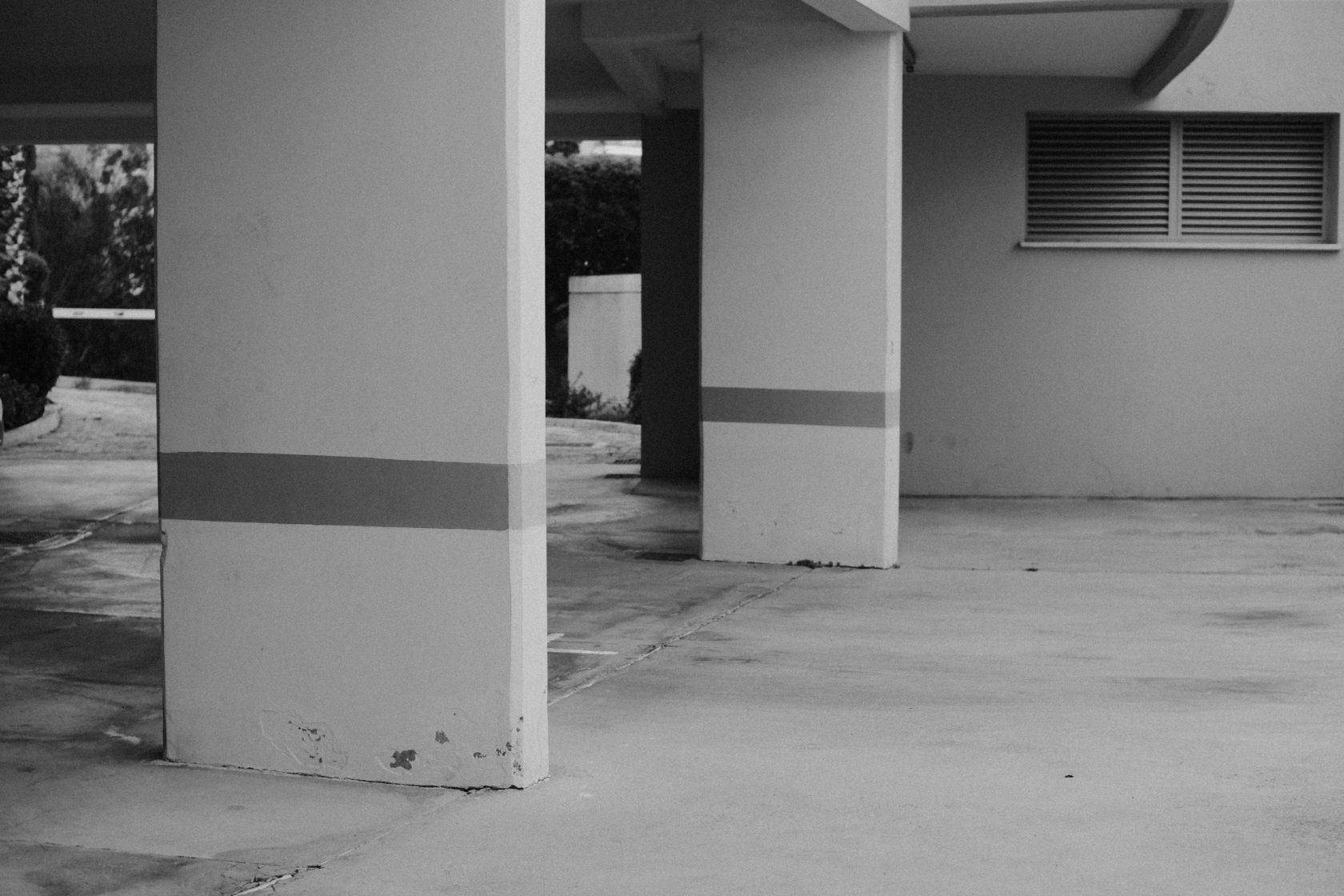
According to a document approved during an executive meeting, “125 vacant buildings” were identified “at this stage of the procedure.” Of these, 112 were in the Historic Centre ARU, “including some that, despite having a water meter installed, show no consumption or only residual consumption (up to 7 m³)”, 11 in the Nossa Senhora da Encarnação ARU, and two in the Arrabalde D’Aquém ARU.
Comparing the findings, which the municipality acknowledges are still provisional, with those from the previous year, there is a reduction in the number of vacant buildings, dropping from 131 to 125.
Owners of the properties now identified as vacant will be notified regarding a potential increase in the Municipal Property Tax (IMI) or a reduction should they proceed with building renovations in the 2026 fiscal year.
“There is an evolution. Some buildings have left the list, and others have entered. It is not these 123 houses alone that will change Leiria’s housing landscape regarding vacancy, but they are still homes and represent a recovery strategy,” stated Leiria Mayor Gonçalo Lopes (PS).
The mayor emphasised that “because they are in the heart of Leiria, they also carry higher risk,” acknowledging that “this fiscal policy is not always capable of triggering a wave of investment or sales.”
“People prefer to pay higher taxes, but this serves as an additional pressure point regarding the IMI rate hike for this purpose,” he added. Nuno Serrano, a PSD councillor on the Leiria City Council, stated that “this survey must be understood in light of the growing pressure on the real estate market, driven by scarcity and high demand, which is pushing prices to levels unaffordable for the majority of citizens.”
He further suggested extending this instrument to “other areas of the municipality, not just historic districts, by submitting the expansion of ‘areas of urban pressure’ (ZPU) to the Municipal Assembly,” to “more equitably encompass other parishes and territories equally marked by abandonment, degradation, or underutilization of the built environment.”
The Social Democrat also advised strengthening the “ongoing monitoring” of buildings at risk of collapse—a situation that worsened with the Kristin storm system.
“Some of these vacant buildings are illegally occupied and are sometimes used for drug consumption and, in some cases, drug trafficking, among other illicit activities. This reality exacerbates degradation and poses a serious risk to public safety and health, directly affecting residents,” Nuno Serrano emphasised.
Gonçalo Lopes explained that the issue of “housing pressure does not fall within the scope of today’s decision, but rather the municipal housing charter currently under development, which is due for completion by the end of the year.”
During today’s City Council meeting, a decision was also approved to revoke the plan to award the contract for the renovation and expansion of the Dr Gorjão Henriques Health Centre, intended to house an integrated diagnostic centre with a base value of €380,000, because no bids were submitted.
Councillor Ricardo Santos (PS), responsible for Municipal Works, noted that “when a tender yields no bids, it is possible to proceed via direct award, provided the base price and the project’s execution timeframe remain unchanged.”
This project stems from a partnership with the Leiria Region Local Health Unit (ULS), which submitted the pilot project to the Recovery and Resilience Plan (PRR). The ULS is responsible for procuring the equipment, while the municipality is handling the construction work on the building, which it owns.
Set The Portugal News as your preferred source for news on Google
 Add as a preferred source on Google






 Portugal Handbook
 English
 Nederlands
 Deutsch
 Français
 Español
 Italiano
 Svenska
 Pусский
 中文
中文 Türkçe
 Português
 Czech
Czech Hungarian
 Polski
 عربي
عربي Suomi
Suomi עִברִית
 Português (Brasil)
Follow us on social media