


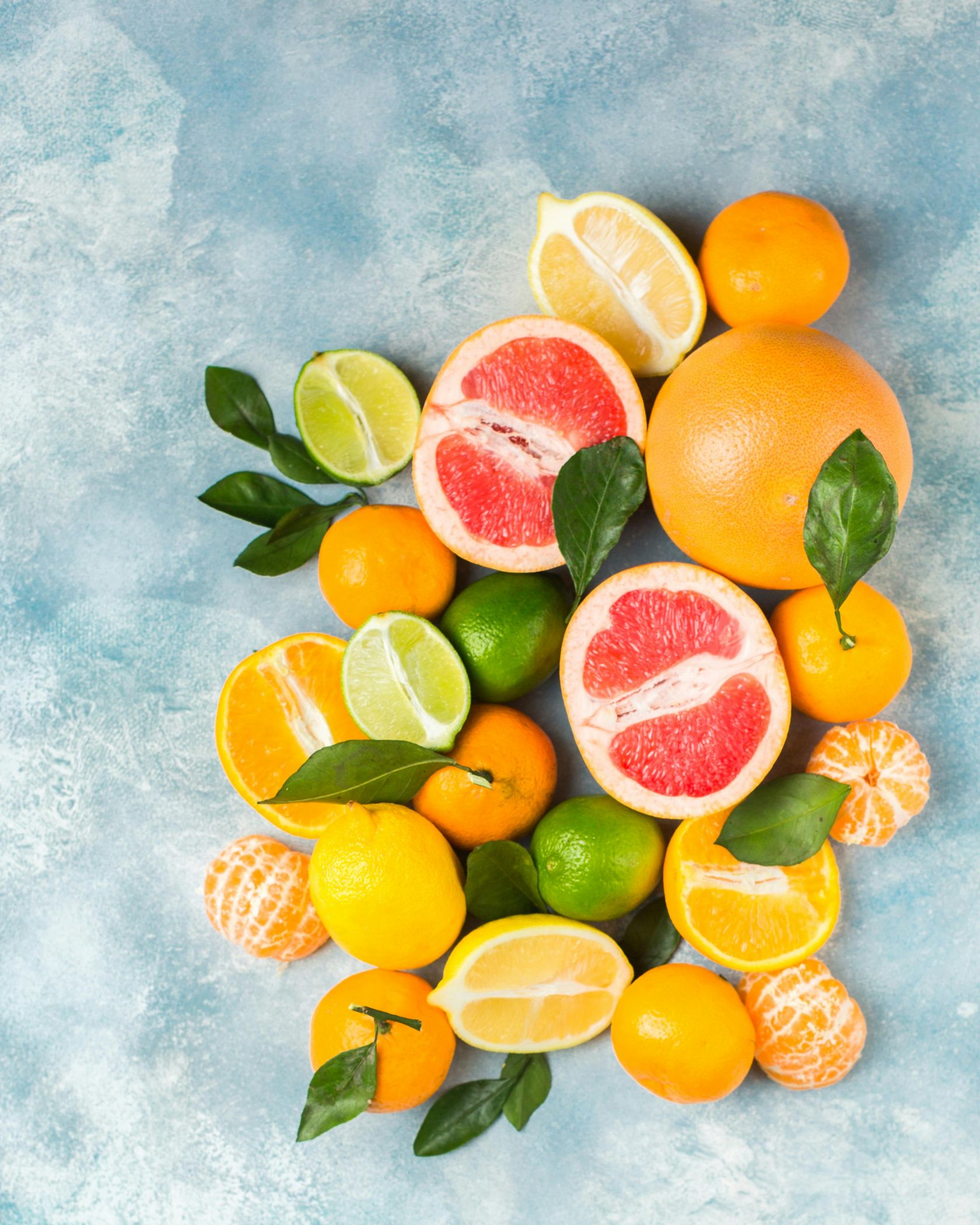
The “Fruit Heroes” (Heróis da Fruta) initiative, developed by the Portuguese Association Against Childhood Obesity (APCOI), was evaluated in a study published in the European Journal of Nutrition in June. This research examined its impact on children aged between three and 11 and concluded that the intervention was associated with a significant increase in fruit consumption.
As reported by APCOI, the programme has been running since 2011 and has now reached more than one million children across Portugal. Its 2025/26 edition involved pupils from every district and the autonomous regions, including the Algarve, the Azores and Madeira.
The latest survey provides a scientific assessment of a programme that has already been used extensively in Portuguese schools, with researchers from the Institute of Environmental Health at the University of Lisbon’s Faculty of Medicine working alongside APCOI to determine whether the initiative could encourage children to consume fruit more regularly and maintain that behaviour over time.
First weeks
This study followed 1,016 children from 64 pre-school and primary schools who had complete data before and after the intervention. Among the children with initially inadequate consumption, more than half had established regular fruit consumption at school by the end of the 12-week programme.
Researchers found that most of the improvement occurred during the first four weeks, as average overall fruit consumption rose from 2.09 to 2.44 portions per day following the intervention. Children who had previously taken part in the programme were also 2.24 times more likely to already meet fruit consumption recommendations at the beginning of a new intervention.
The programme uses a combination of storytelling, gamification and repeated positive reinforcement, with teachers dedicating around 15 minutes to activities based around fictional “Fruit Heroes”, who gain their “superpowers” by eating fruit.
This approach is designed to make healthy choices familiar and enjoyable rather than simply presenting children with nutritional information.
The research is particularly notable for using Kaplan-Meier survival analysis to examine how quickly children developed regular fruit-eating behaviour. According to researchers, this helped demonstrate when the behavioural changes were taking place and provided evidence that repeated exposure can help consolidate healthier habits.
Scientific findings
Since the majority of behavioural change was observed during the first month, APCOI reconsidered how long the programme needs to run, adapting the intervention from its previous 12-week format to a shorter five-week model.
Mário Silva, President of APCOI, said the international publication gives scientific backing to what teachers and parents had already observed o in schools, describing the programme as an accessible tool for helping schools create healthier environments.
Raquel Martins, lead researcher, highlighted the importance of creating repeated, positive opportunities for children to make healthier choices, rather than relying solely on nutritional education.
The findings also fit with existing guidance from Portugal’s Directorate-General of Health (DGS), which identifies fruit and vegetables as important components of a healthy diet and stresses the role of both families and schools in establishing healthy eating patterns.
A challenge for children
This research comes against the backdrop of concerns about inadequate fruit and vegetable consumption among young people in Portugal.
The data from DGS shows that 69 percent of Portuguese children do not meet the World Health Organisation recommendation of at least 400 grams of fruit and vegetables a day, and the rate is even higher in the Azores, where it stands at 69.3 percent.
Institutions are already supported through Portugal’s School Scheme, which provides fruit, vegetables and milk to children in state schools and aims to increase their consumption, as DGS guidance also recommends fruit as part of children’s meals and snacks.
APCOI says “Fruit Heroes” has improved the daily eating habits of more than one million children since its launch, with the 2024/25 school year alone recording 79,128 participating pupils across 1,105 schools.
Set The Portugal News as your preferred source for news on Google
 Add as a preferred source on Google








 Portugal Handbook
 English
 Nederlands
 Deutsch
 Français
 Español
 Italiano
 Svenska
 Pусский
 中文
中文 Türkçe
 Português
 Czech
Czech Hungarian
 Polski
 عربي
عربي Suomi
Suomi עִברִית
 Português (Brasil)
Follow us on social media