


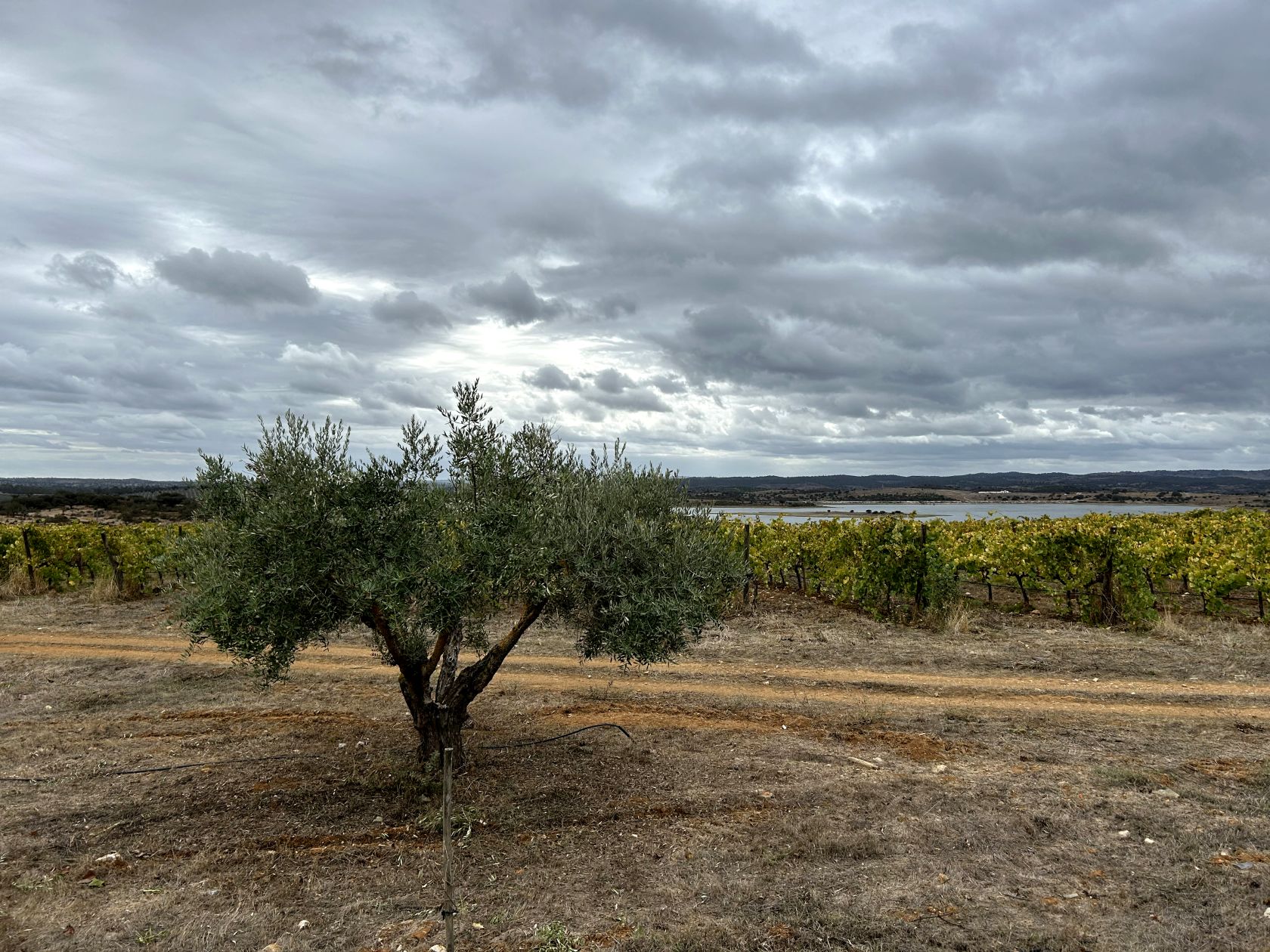
There’s nothing like some good olive oil, and Portugal is home to millions of the beautiful trees that provide us with it. As one of the oldest and most iconic trees of the region, the olive tree has been an essential part of Mediterranean culture, cuisine and agriculture for thousands of years.
There are many olive varieties, each one giving the oil its own distinctive flavour, aroma and character, ranging from mild and fruity to grassy, bitter and peppery, with extra virgin olive oil being the highest quality category. Rich in monounsaturated fats and, particularly when fresh, beneficial antioxidant polyphenols, it is a healthy ingredient as well. Beyond its nutritional value, the olive tree symbolises peace, wisdom and endurance, remaining a living treasure of the landscape and heritage of Mediterranean countries.
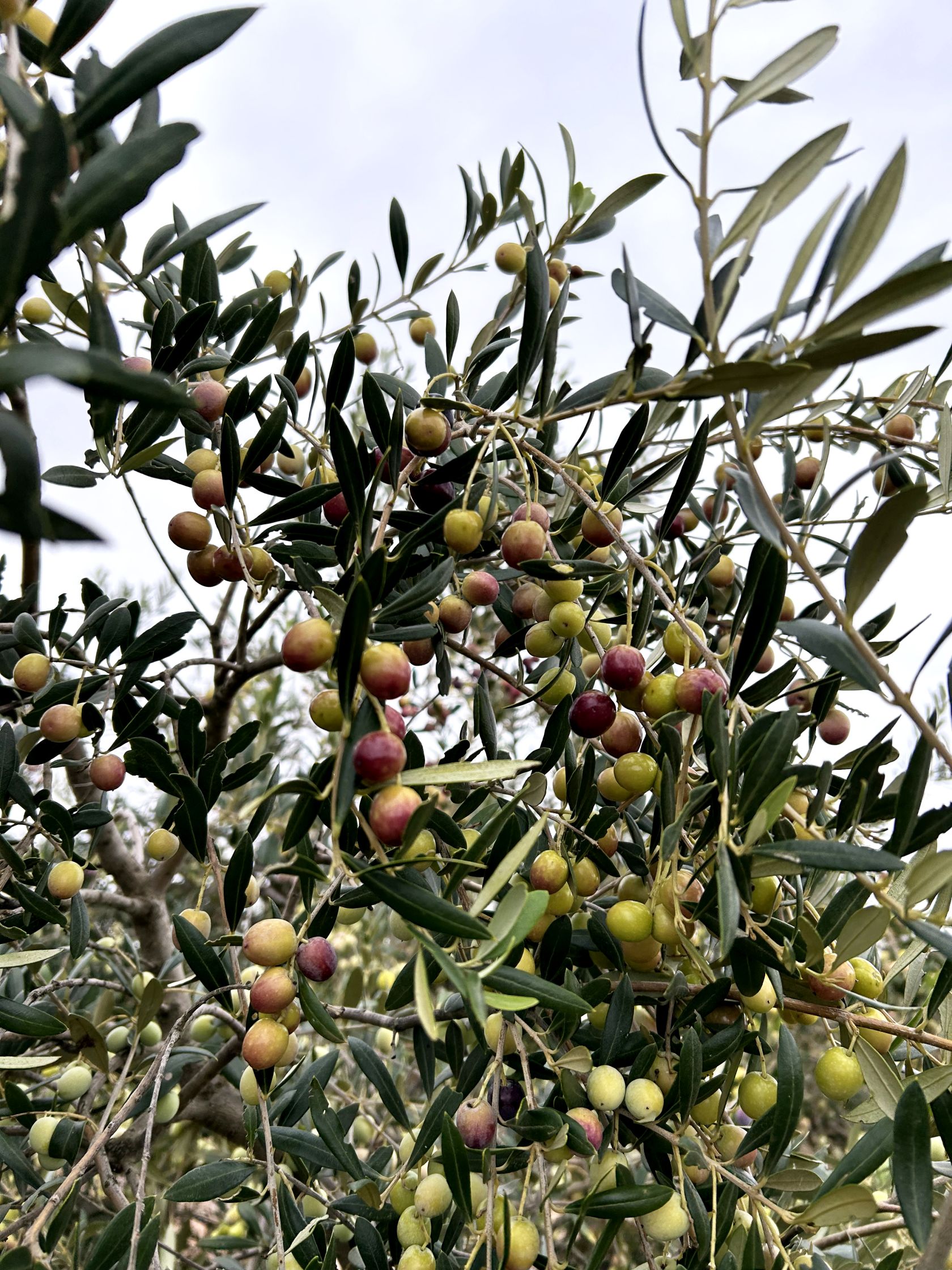
Portugal has an extremely long history of both wine and olive cultivation —stretching back well over 2,000 years, and possibly much further. Olive trees were present in the territory in prehistoric times, while systematic olive cultivation and olive-oil production became much more established during Roman times, particularly from roughly the 2nd–1st centuries BC onward.
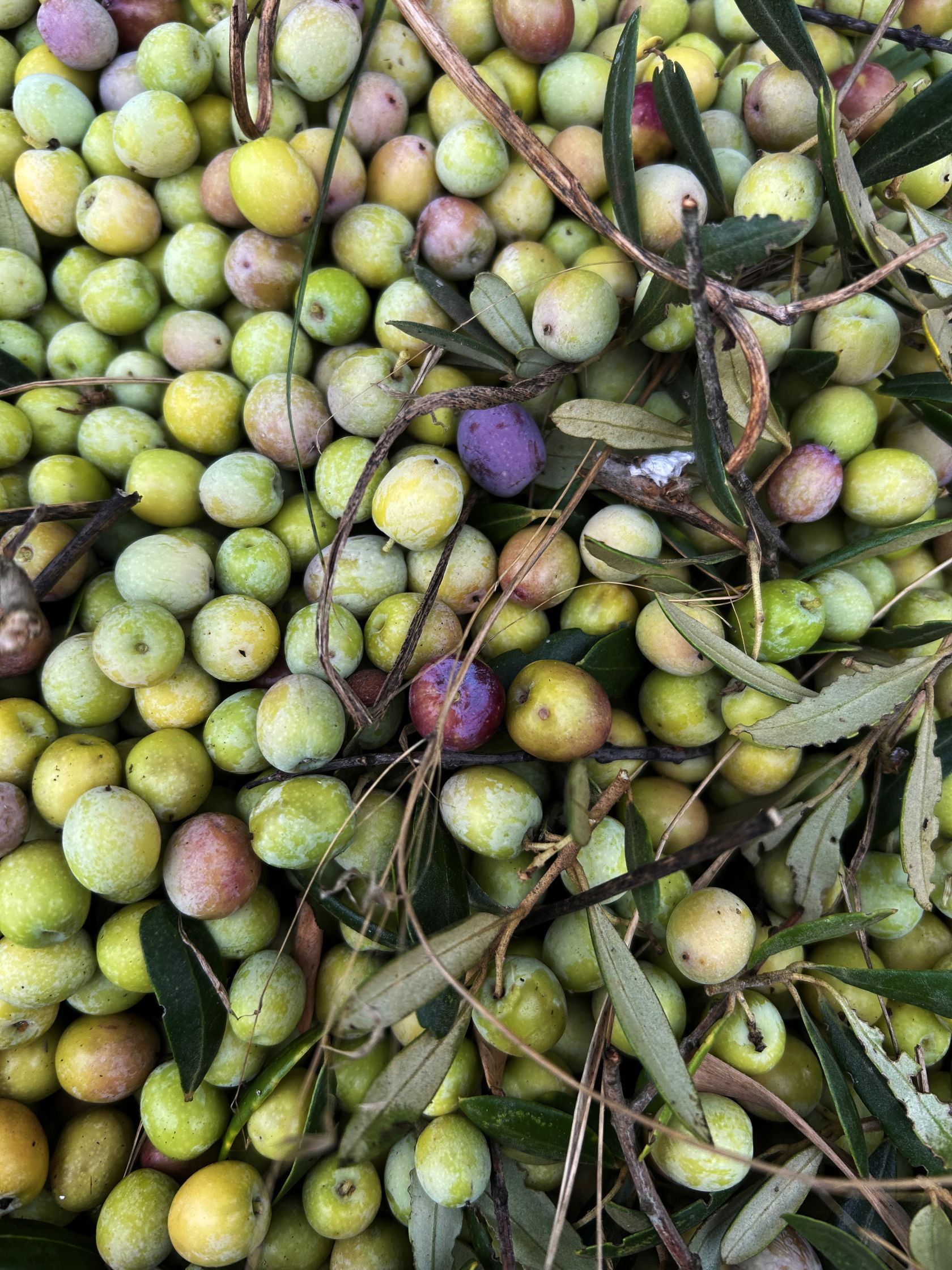
From roughly the 2nd century BC onward, the Romans greatly expanded both vineyards and olive groves. Large Roman estates in what is now Portugal produced wine and olive oil commercially, some of which was exported. Roman villas south of the Tagus had presses, storage vessels and agricultural estates devoted to crops including grapes and olives.
Join the olive harvest
At the beginning of November, the olive harvest starts at the grand estate of Herdade do Esporão in Alentejo, and they open their doors to anyone wishing to take part in it.
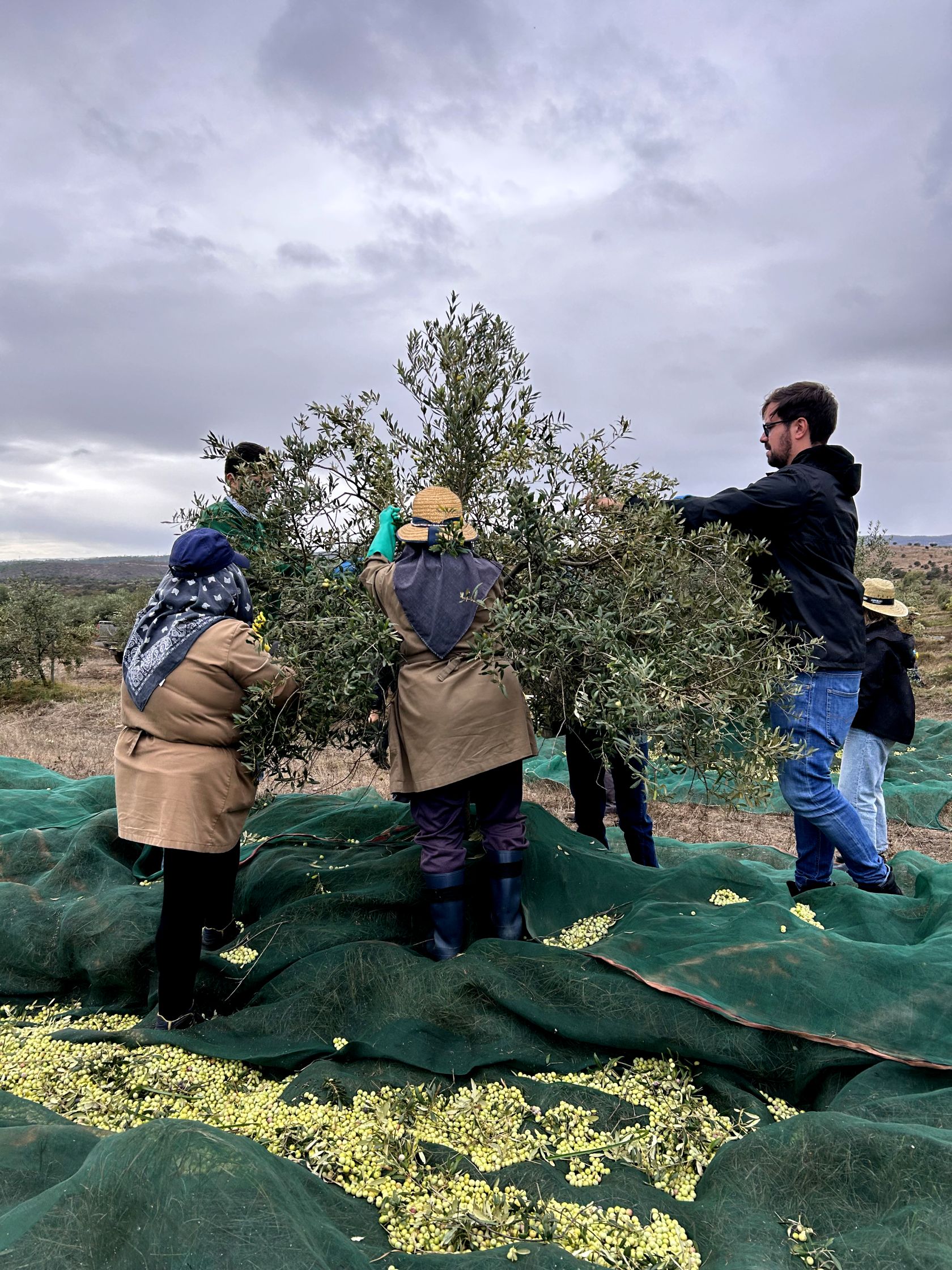
It’s quite a meditative experience, gently raking the branches of the trees in the wide landscape (I realise there is a big difference between doing it for one day and for a whole harvest!). In a joint effort, soon the olives fall heavy on the green nets spread out on the ground beneath, and the beauty of the colours of the fresh olives is simply mesmerising.
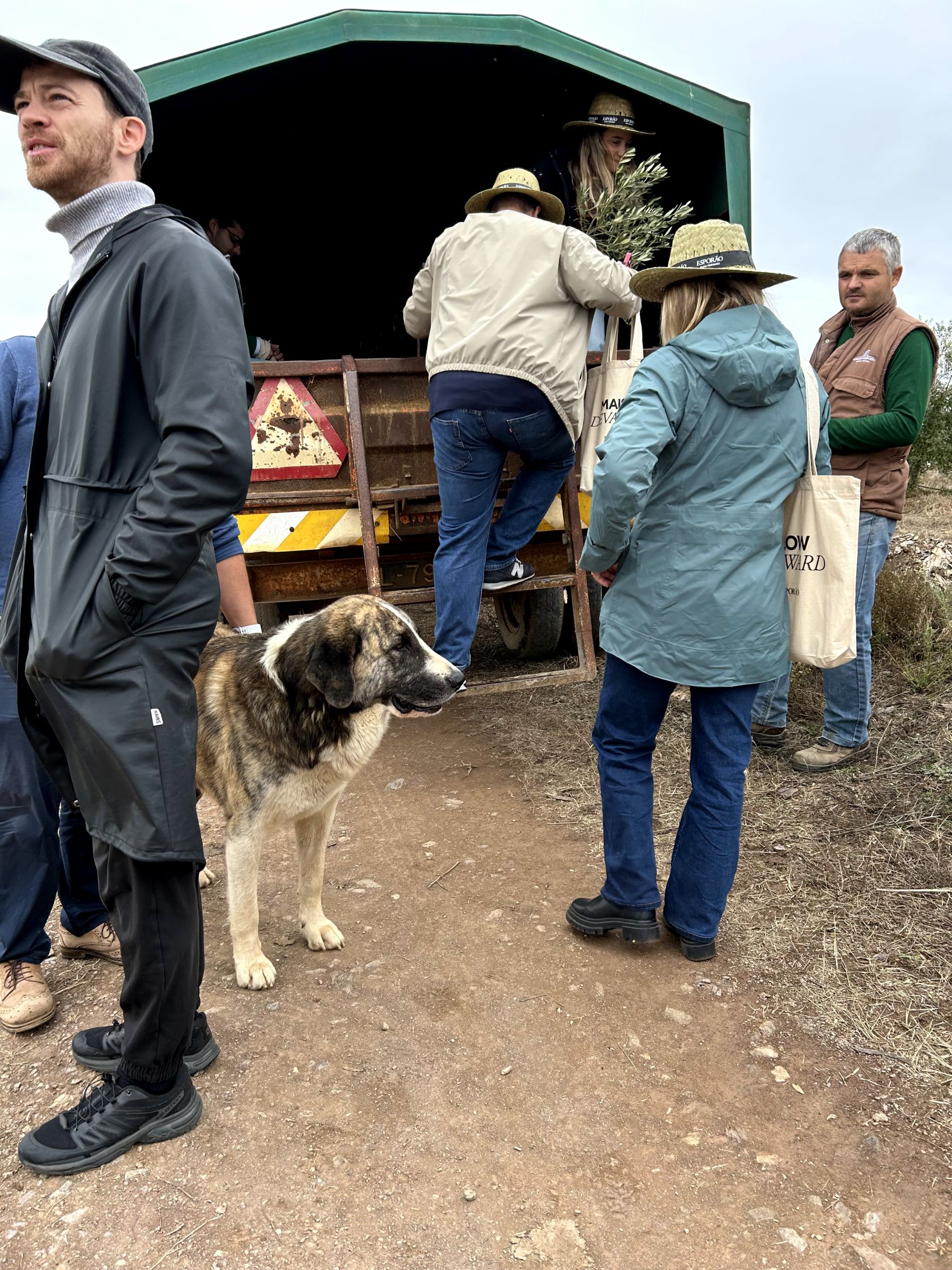
“We strive to make our olive oils an expression of the place where they are made. Produced from olives grown in Alentejo, we work hard to enhance this region’s native varieties. Using olives from our olive grove, we seek to express the Herdade do Esporão terroir. Our olive oils are produced in this mill on-site, preserving the pure juice from the olives we pick and ensuring everything is done with the greatest respect for the people and nature,” says Ana Gaspar, who is an oenologist at the estate.
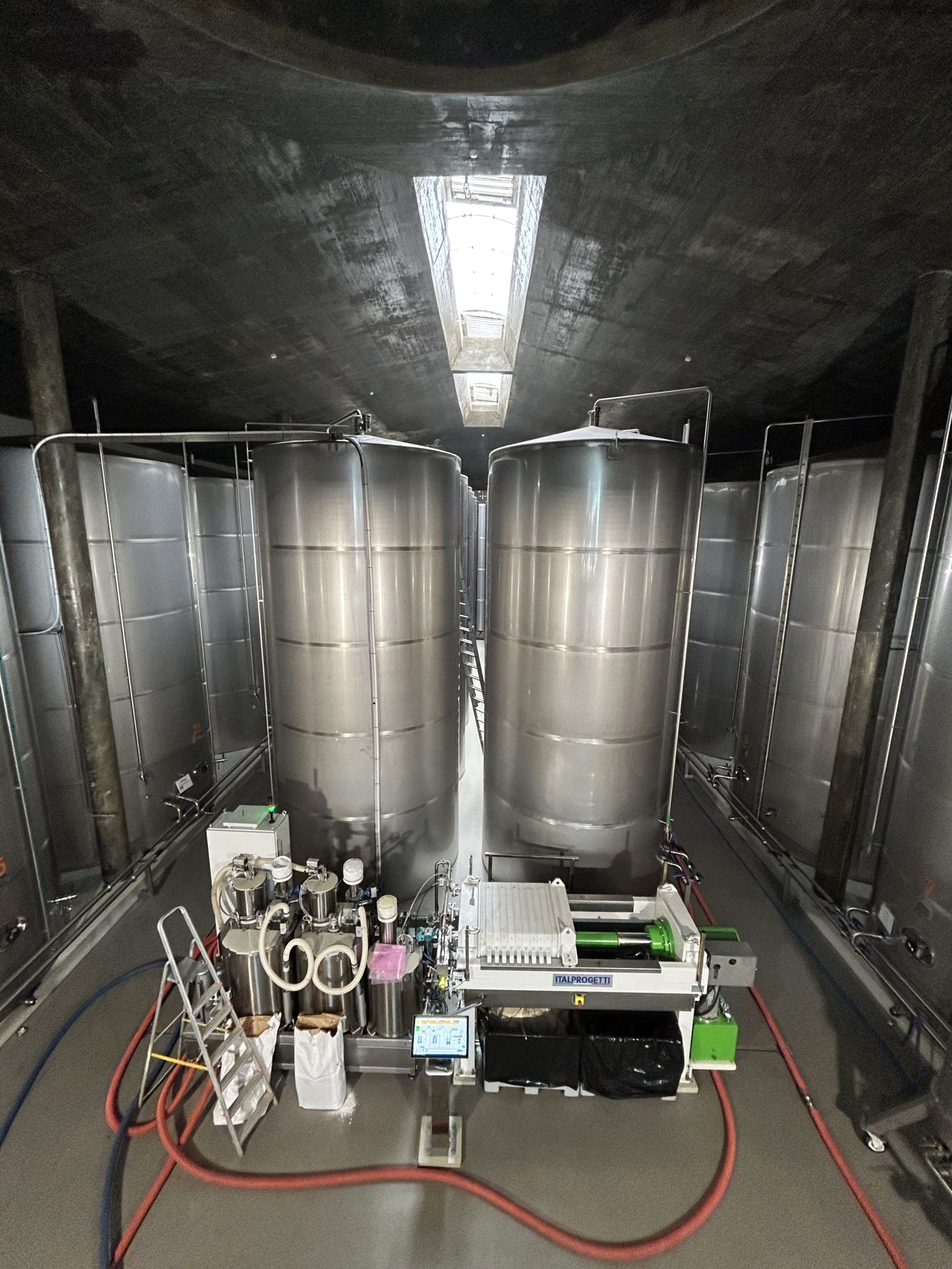
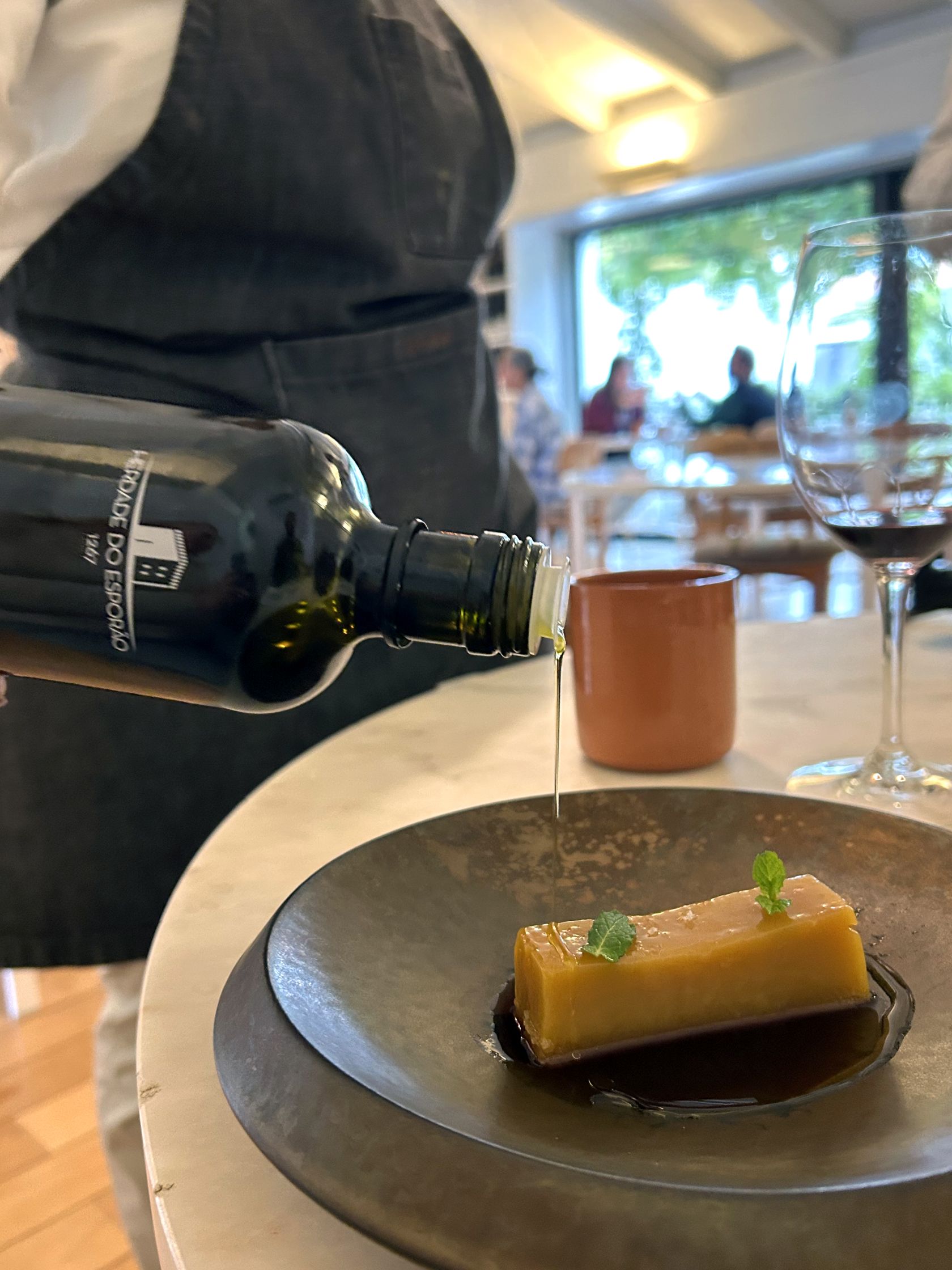
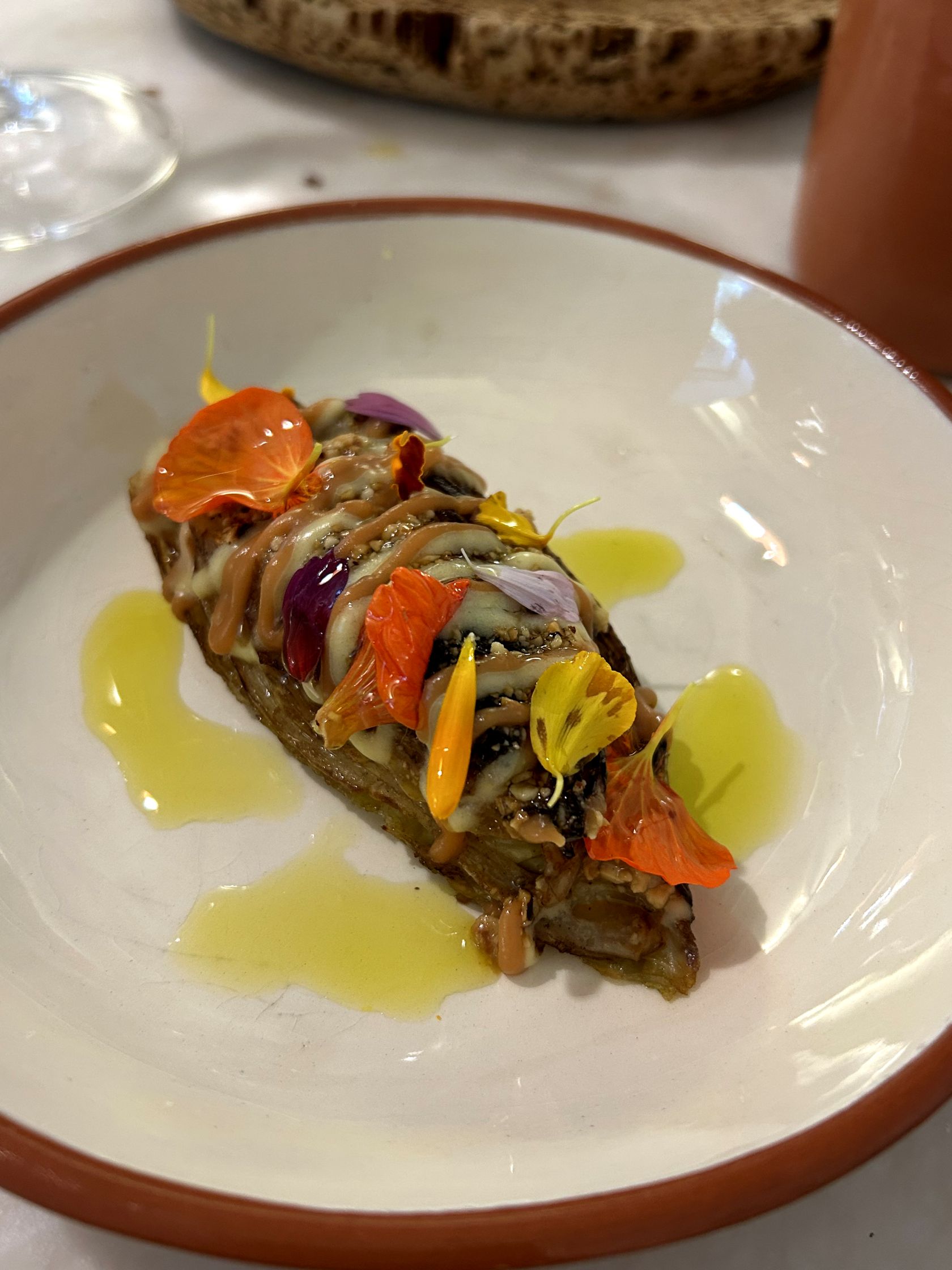
The day continues with a guided tour of the oil mill to observe the oil extraction process. Time is freshness, so it’s important to be fast: only one hour maximum can pass from the olives arriving from the field to when they are being pressed. The smell here is amazing. After that, we experience being oleologists for a day”, creating our own blends using different varieties of Esporão olive oil. It’s harder than you would think, but the result is a unique bottle to take home. We end the day with a very delicious lunch, of course made with lots of olive oil and wine to accompany it.
Adopt an olive tree
On another note, a friend recently made me aware of a really interesting project: Apadrinha uma Oliveira, a non-profit project based in the Abrantes region that invites people to “adopt” abandoned olive trees and contribute to the revitalisation of the rural communities.
Launched in 2023, the project was created to address the growing problem of abandoned olive groves, which often results from rural depopulation, an ageing population and the lack of younger generations continuing traditional agricultural practices. By restoring these trees, the initiative aims to protect biodiversity, preserve Portugal’s cultural landscape and reduce the risk of wildfires associated with neglected land.
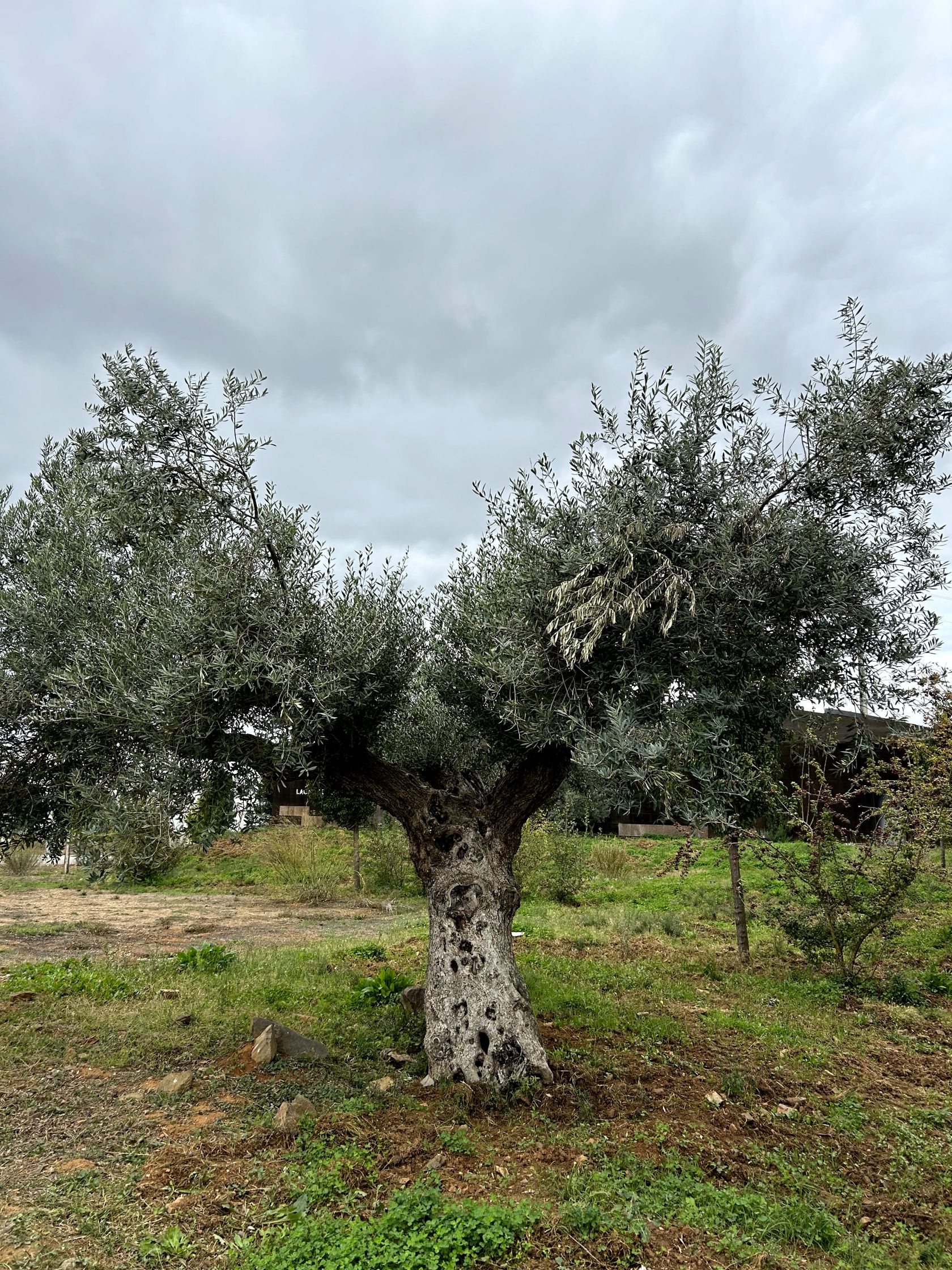
Through an annual contribution of €35 or €60, you can choose an olive tree, give it a name and follow its recovery through updates. Sponsors can also visit their trees and take part in organised visits to discover the surrounding countryside and learn about the traditional production of olive oil. As a thank-you for your support, you receive one or two litres of extra virgin olive oil each year, depending on sponsorship level.
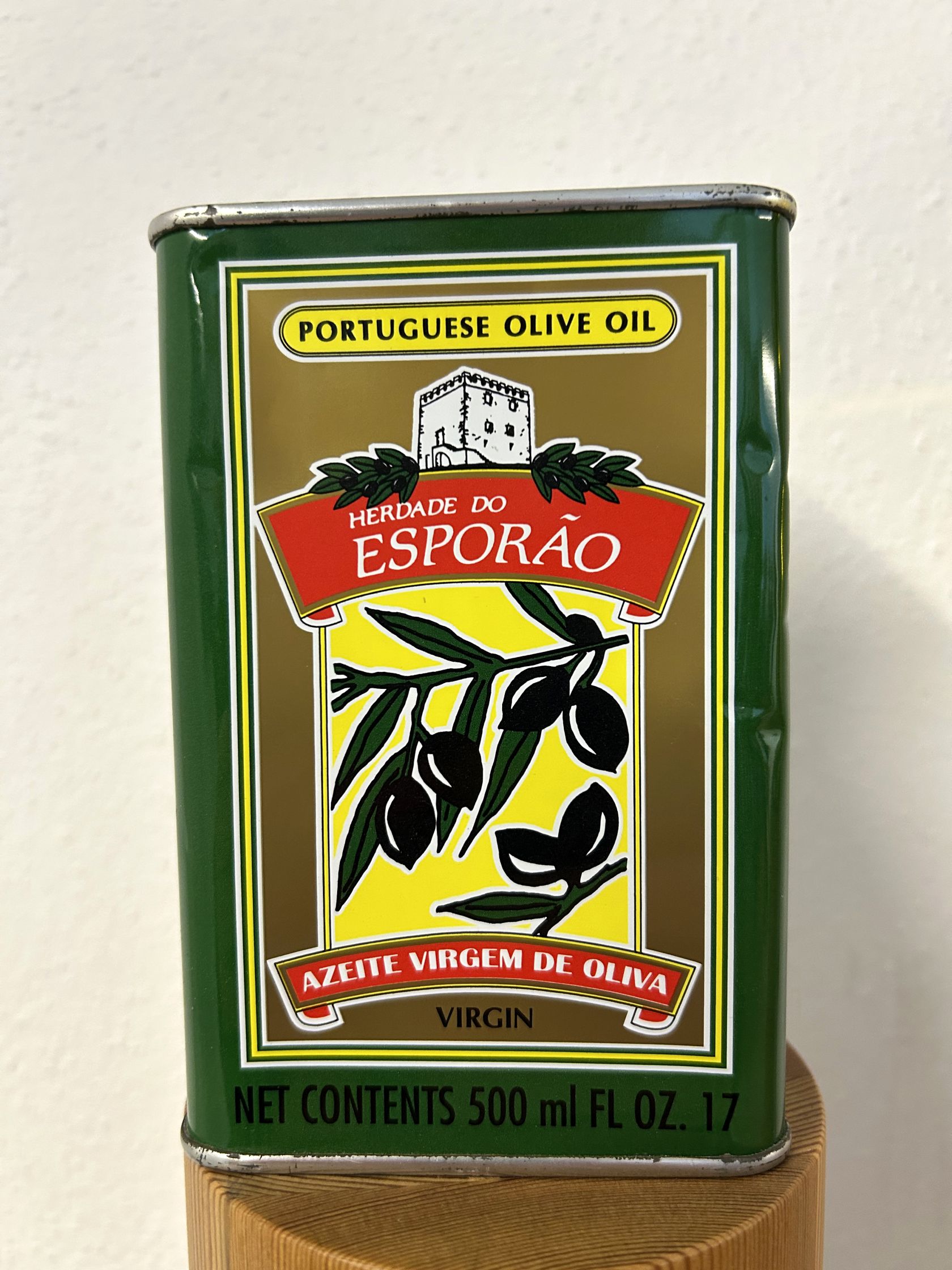
However, the impact of the project goes far beyond the preservation of individual trees. The project also seeks to create employment opportunities, support local landowners and strengthen the rural economy. By returning abandoned olive groves to productive use, it helps reconnect people with the land while promoting a more sustainable and circular economic model. Its mission demonstrates how environmental protection and social development can work together to create lasting benefits for local communities. This is a small but meaningful investment in the future of the countryside, reminding us that caring for the land is also a way of caring for the people and traditions connected to it.
To learn more or to sponsor an olive tree, visit apadrinhaumaoliveira.org. To join the harvest at Herdade do Esporão on 13 or 20 November, send an email to reservas@esporao.com
Set The Portugal News as your preferred source for news on Google
 Add as a preferred source on Google


 Portugal Handbook
 English
 Nederlands
 Deutsch
 Français
 Español
 Italiano
 Svenska
 Pусский
 中文
 Türkçe
 Português
 Czech
 Hungarian
 Polski
 عربي
 Suomi
 עִברִית
 Português (Brasil)

Follow us on social media