


This is all about meats that might make you grimace and push the plate away with a shudder, and is offal, the collective word for the ‘guts’ or internal organs of butchered meat. Hundreds of years ago, people ate pretty much all of the animals they caught, so nothing was wasted. Nearer in time, stuffed hearts or liver and onions were common meals, and were cheap and nutritious. As a result, some folk grew up knowing all about offal (also known as variety meats or organ meats), which refers to the edible inside bits, or ‘innards’. Examples include liver, heart, kidney, tongue, tripe (stomach), and sweetbreads.
They are highly nutritious, offering good sources of vitamins and minerals, and these are meats are often overlooked or have become unpopular over the years, as people would wrinkle up their noses in disgust and didn’t have the stomach for them (pardon the pun). People stopped eating offal primarily due to increased wealth when they could afford more expensive cuts of meat, and choosing cheap meats reflected a poor quality of life or a low income.
But little do they know; they are unwittingly still eating them. Hidden away in sausages, offal meats are very often in traditional, artisanal, or are in specific regional varieties. While high-quality sausages often use prime cuts, offal is commonly included worldwide for flavour and texture, or used for the casing itself, and dare I remind the Scottish readers - it goes into their traditional Haggis too, alongside oats and suet or mutton fat.
Snout to Tail Culinary Tradition
Some time-honoured foods in Portugal can still feature a ‘snout-to-tail’ culinary tradition, a practice of cooking that utilises every edible part of an animal, literally from snout to tail, and is a sustainable approach to eating that reduces waste. Here are a few you might come across, and certainly should be tried. I see chicken feet in the supermarket, and I confess to wondering who the heck would eat those, but it seems they are a traditional ingredient in Portuguese cuisine, often used to make rich broth for soups, such as canja de galinha (chicken soup), or stewed with garlic, onion, and spices.
Iscas com Elas is particularly iconic to Lisbon, where it originated in local taverns, and is a deeply traditional dish, being thinly sliced pork liver marinated in garlic and wine, cooked with onions and potatoes.
Another traditional dish is Arroz de Cabidela: rabbit or chicken rice cooked with the animal’s blood and vinegar, resulting in a rich, dark, and tangy dish. This is a specialty of the northern Minho region of Portugal and has been documented since the 16th century.
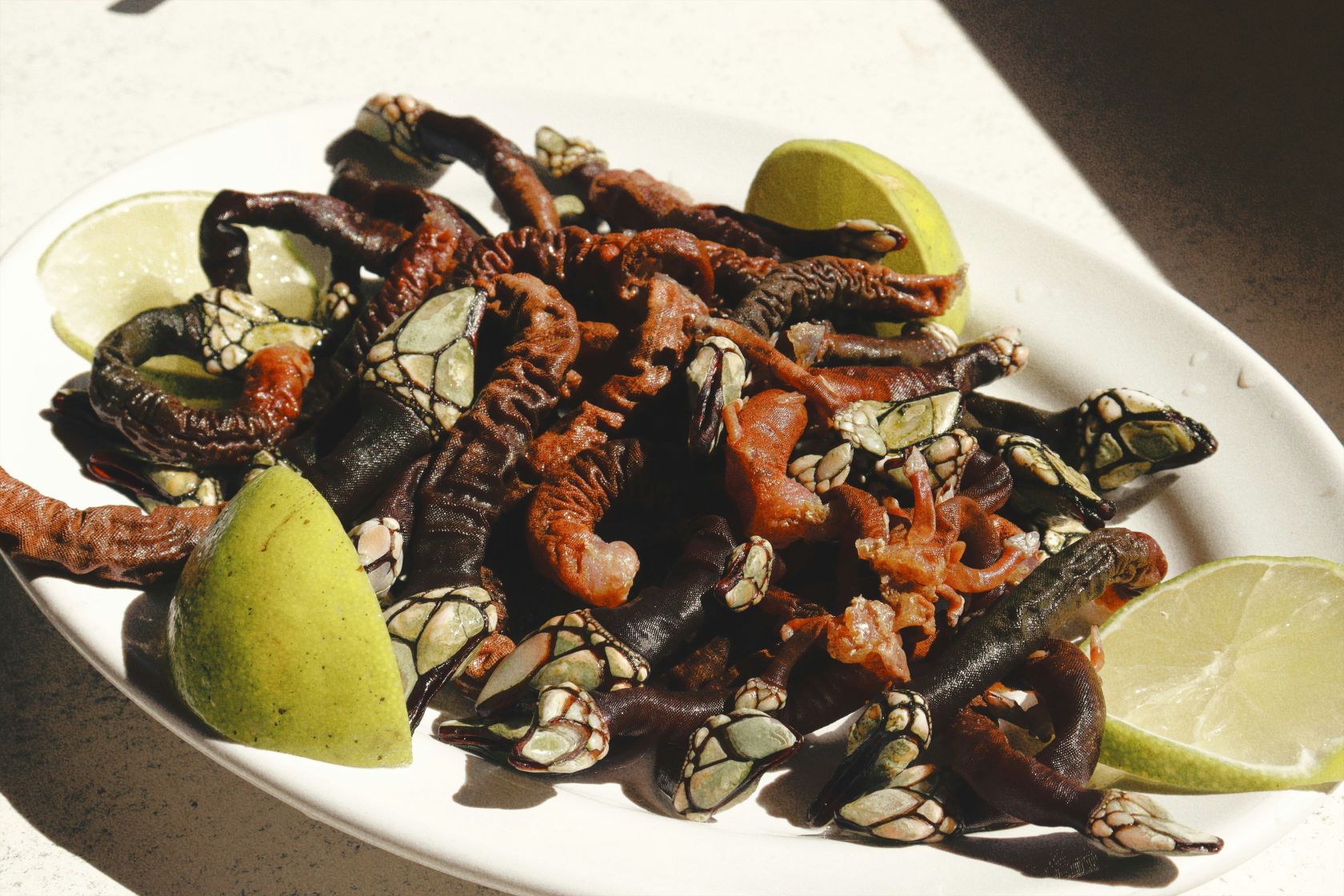
Percebes (goose barnacles): Known as ‘Lucifer’s Fingers’, are crustaceans that resemble claws, and are a highly prized, seafood delicacy commonly found in Spain and Portugal. Apparently, they have a tough, scaly neck and taste like a blend of sweet lobster, crab and the sea – something I admit I have never tried.
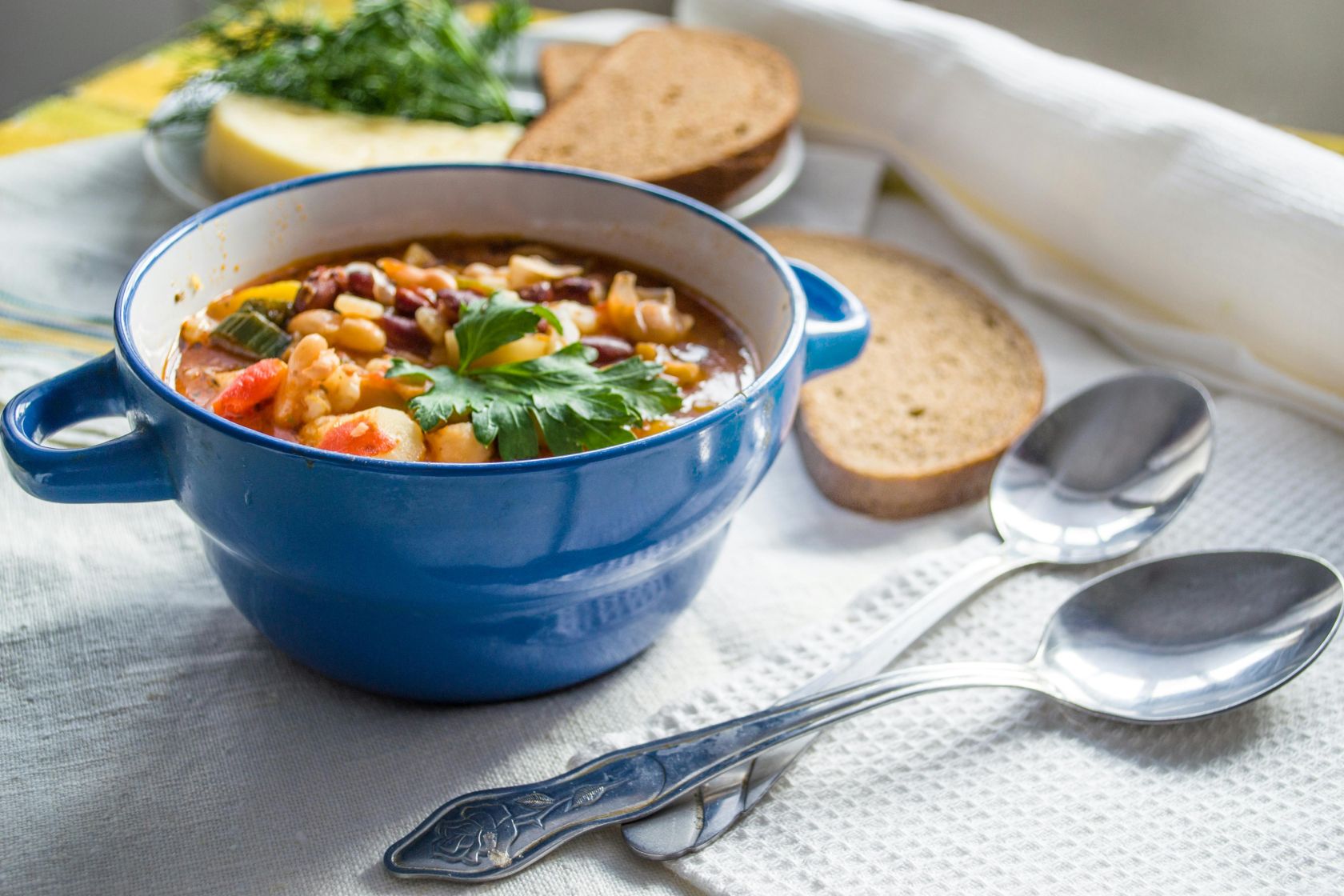
Tripas à Moda do Porto: A thick stew of white beans, sausages, and pork stomach, famously associated with the city of Porto, but is widely known across the entire country, where it is simply called dobrada.
Moelas is a dish made with tender chicken gizzards slow-cooked in a rich, slightly spicy sauce made of tomato, onion, garlic, white wine, and piri-piri peppers.
Sarrabulho: A traditional northern Portuguese stew or thick soup and when thickened with flour, called Papas de Sarrabulho made from pork offal—including liver, heart, and kidneys—and seasoned with cumin and animal blood.
I know there are more, but I don’t have the space for them all. All these dishes are traditional, and maybe the younger generations - who have grown up with fried chicken and hamburgers – haven’t tried them either (or have turned up their noses at them), but I would bet my bottom dollar that once you get over the ‘ick’ factor, you will find them all both nutritious and delicious.
 Add as a preferred source on Google







 Portugal Handbook
 English
 Nederlands
 Deutsch
 Français
 Español
 Italiano
 Svenska
 Pусский
 中文
中文 Türkçe
 Português
 Czech
Czech Hungarian
 Polski
 عربي
عربي Suomi
Suomi עִברִית
 Português (Brasil)
A great article. People who don't eat offal don't know what they're missing!
By Mark from Porto on 01 Jun 2026, 14:43