


For centuries, Bordeaux has cultivated an air of effortless confidence. Kings traded here, merchants grew rich as millions of bottles of some of the world’s finest wines left its elegant quays. Today, the city remains one of Europe's most rewarding destinations, a place where history, gastronomy and world-famous vineyards seamlessly combine with modern transport infrastructure, impressive architecture and an enviably relaxed pace of life.
Strangely familiar
For those of us who may be more accustomed to Porto's riverside charm or Lisbon's elegant avenues, Bordeaux offers something strangely familiar. It possesses a similar relationship with the River Garonne as Porto has with the Douro, and the kind of architectural grandeur that Lisbon displays around Praça do Comércio. Yet, of course, Bordeaux remains distinctly… well… “‘ow you say, uhhh??” - French. Weird, that!
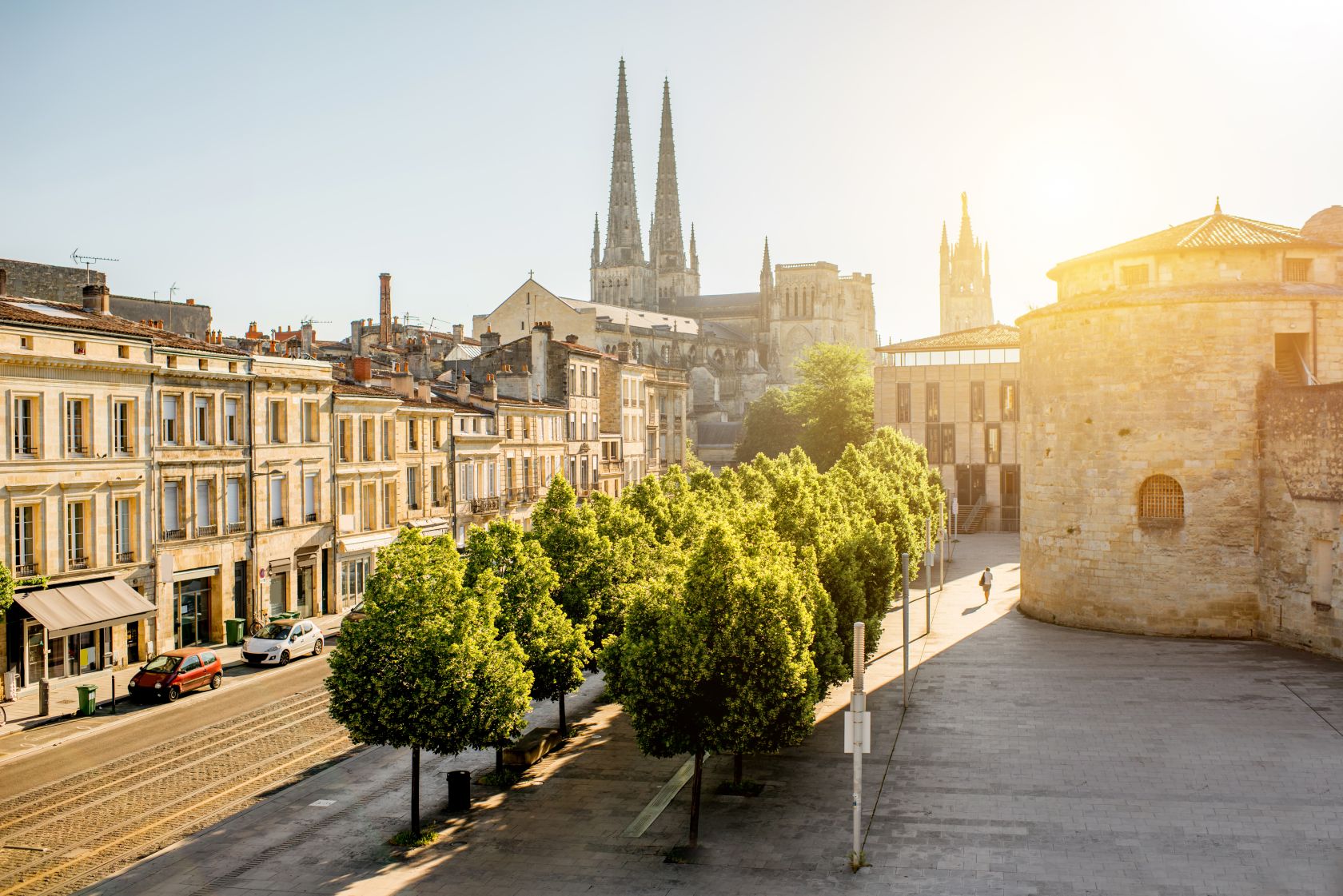
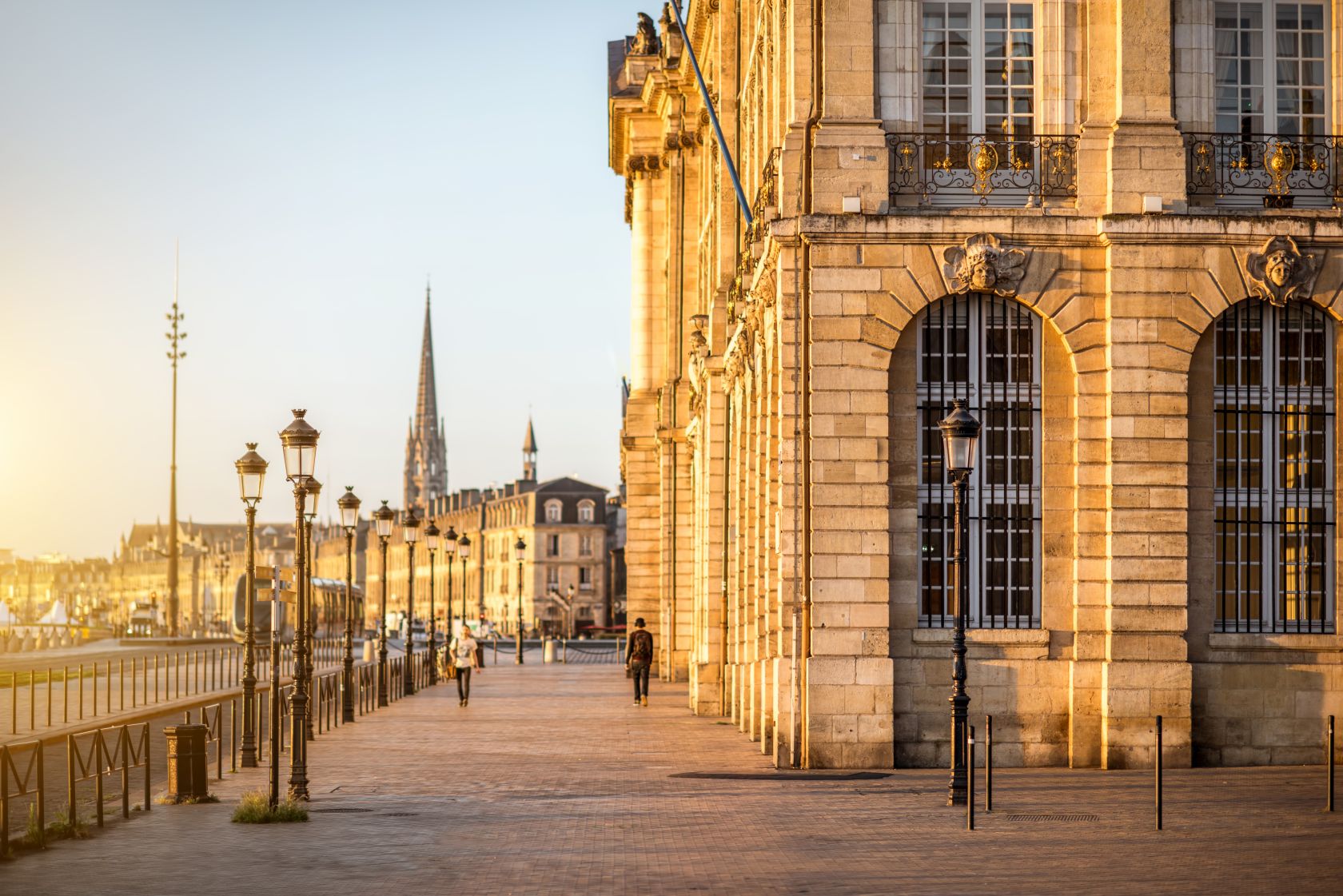
Anyway, the first surprise for me was this city’s sheer beauty. The historic centre, recognised as a UNESCO World Heritage Site, is almost ridiculously handsome. Miles of honey-coloured limestone buildings line broad boulevards before opening onto the magnificent Place de la Bourse, reflected in the famous Miroir d'Eau, the world's largest reflecting pool.
Watch the full video here 👇👇👇
Fortunately, Bordeaux isn't one of those cities that demands military planning.
It positively encourages aimless wanderings. The old streets around Saint-Pierre are packed with cafés, boutiques and hidden squares where lunch somehow morphs into dinner without anyone quite noticing. How very Portuguese.
The impressive Grand Théâtre remains one of Europe's finest eighteenth-century opera houses, while the futuristic Cité du Vin celebrates everything imaginable about wine, without becoming too pretentious about it. Just don't start swirling every glass and announcing that you can detect "subtle hints of blackberry with an assertive mineral finish." The locals have heard it all before.
Wine culture
Speaking of wine. None of us can realistically visit Bordeaux without surrendering to its greatest obsession. This isn’t merely a wine-producing region; it's an entire eco-system that honed a civilisation built around grapes. Surrounding vineyards read like a roll call of vinous royalty: Médoc, Margaux, Pauillac, Saint-Émilion, Pomerol and Sauternes are names uttered with absolute reverence by collectors from Tokyo to Toronto.

The wonderful news for ordinary travellers is that we don't need to spend hundreds of euros on legendary vintages to appreciate Bordeaux's wine culture. Nope. Excellent “tasting bars” appear throughout the city, offering superb wines by the glass while guided vineyard tours cater for every budget. Better still, many famous wine villages are easily reached by train, making day trips refreshingly simple.
Local cuisine
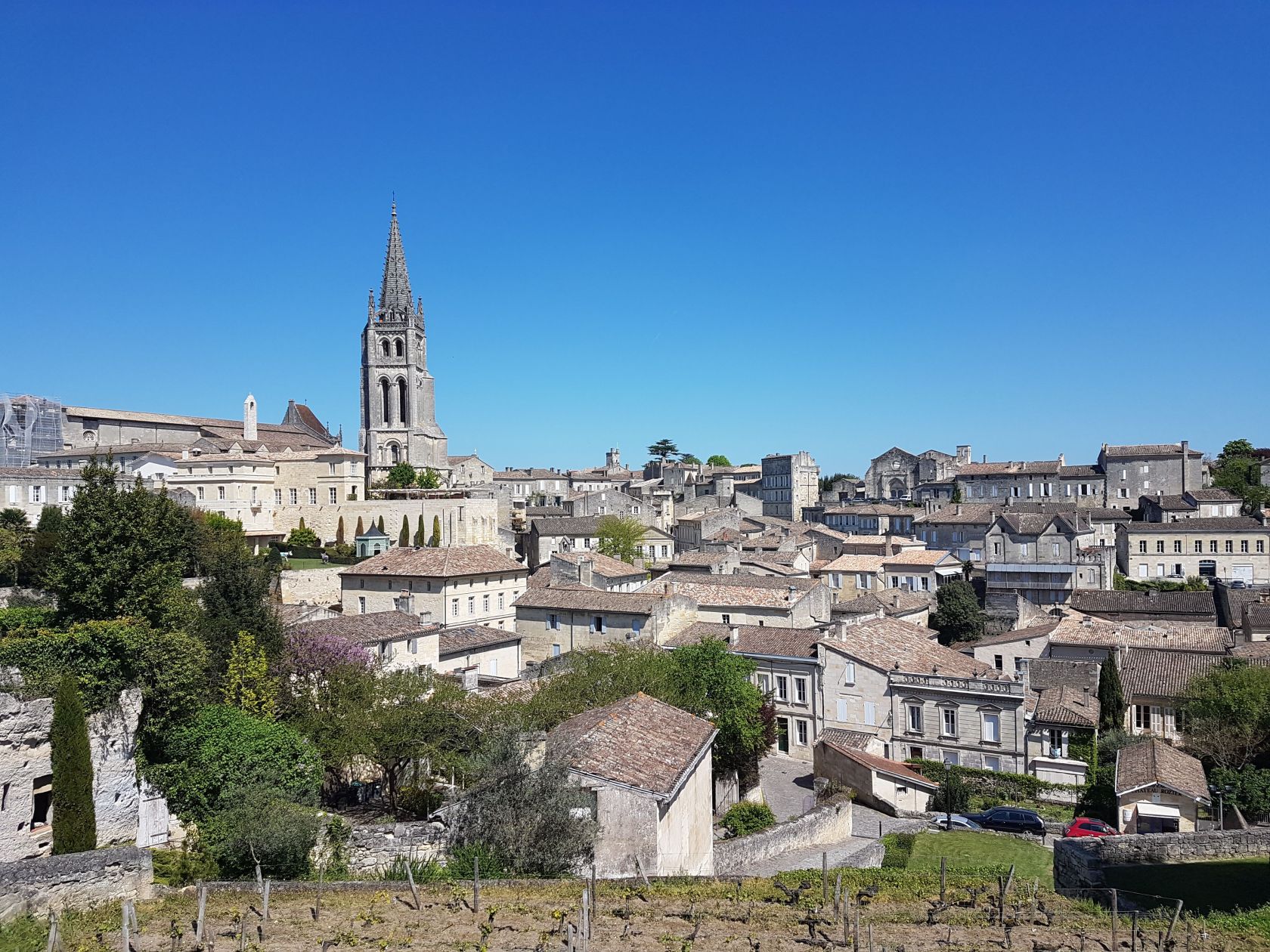
Saint-Émilion deserves particular attention. Only forty minutes away, this medieval hilltop town appears almost too perfect to be real. Cobbled streets weave between ancient churches, and wine merchants and family-run restaurants serve the kind of food that reminds most visitors why the French still dominate the culinary imagination.
However, I must confess to being a “foodie” heretic. Because, other than for the excellent French boulangeries and excellent patisseries, many aspects of the local cuisine tend to be a bit too fussy for my excessively primitive and highly under-cultivated British palate. For the likes of me, there seems to be a particularly ghastly tendency [in French cookery] to simmer unspeakable (offally) gubbins in order to create what are effectively stews. To me, it's a whole lot of particularly gruesome ingredients, normally deemed quite inedible, slow-cooked in gallons of excellent wine, fresh herbs with lots of baby shallots bobbing about for good measure. It's all cooked down until those organs and entrails become excessively tender, to the point of sliminess. Then, it's all served in an earthenware bowl alongside herb-infused bread and steamed vegetables. For most people, this represents “gastronomy”. For me, it's just gastritis in an artisanal bowl; with all the contents tainted by the scent of herbs and an excess of elephant garlic. I know… I know - I'm a typical “rosbif". Beans on toast it is.
Nevertheless. Just like it is right here in Portugal, France believes that meals should be occasions rather than fuel stops. Here in Bordeaux, fresh oysters from nearby Arcachon Bay appear on menus alongside duck confit, entrecôte steaks, foie gras and those rich cassoulet things.

The city's markets overflow with artisan cheeses, pâtisserie and other assorted fresh produce while seafood lovers are exceptionally well served. No visit should conclude without sampling canelés, small caramelised pastries with soft custard centres that actually originated in Bordeaux. They look unassuming enough but possess addictive qualities. Buying six usually means arriving back at your hotel with one. The coffee culture has also improved dramatically over recent years, with independent cafés producing espresso capable of satisfying even the most discerning Portuguese visitor.
Connectivity
Getting about is wonderfully straightforward. Unlike many historic cities, Bordeaux has embraced modern public transport with great gusto. An extensive tram network glides through the city, connecting major attractions, railway stations and suburbs. But walking remains the best way to explore, whilst cyclists benefit from dedicated bicycle routes. Single tram tickets are inexpensive, while official CityPass bundles provide unlimited access to public transport with the added bonus of providing admission to many local attractions.
So, is Bordeaux affordable? That depends on individual expectations. Compared with Paris, absolutely. Compared with Lisbon? I guess prices are broadly comparable, although accommodation during peak season seems to command a hefty premium. But I guess that applies to most places.
Restaurants? Again, they range from affordable neighbourhood bistros to Michelin-starred extravagance, meaning travellers can spend modestly or spectacularly according to inclination.
Wine, unsurprisingly, often represents outstanding value.
Excellent bottles that would command significantly higher prices elsewhere in Europe can still be enjoyed without requiring a bank loan. Another wholesome trait shared with Portugal, I think it's fair to suggest?
Modern reality
Beyond the city itself lies one of France's richest collections of day trips. Arcachon Bay offers magnificent seafood, elegant seaside promenades and the extraordinary Dune du Pilat, the tallest sand dune in all Europe. To the north, lie the celebrated Médoc vineyards. To the east, Saint-Émilion enchants history lovers. Southwards, the sweet wine region of Sauternes provides another excuse to postpone sobriety.
There is, however, one unavoidable modern reality.
Like much of southern Europe these days, the Bordeaux region has increasingly felt the effects of hotter summers and prolonged droughts. Recent wildfires across parts of Gironde have highlighted new challenges for vineyards and tourism alike.
Thankfully, Bordeaux itself remains very much open for visitors, with local authorities encouraging tourism while adapting to changing conditions. Perhaps resilience is Bordeaux's greatest strength? It has weathered wars, revolutions, economic downturns and now faces climatic uncertainty. Yet, somehow this is a city that retains elegance and optimism in equal measure.
For Portuguese travellers seeking a destination that combines culture, gastronomy, superb transport, magnificent wine and enough nearby attractions to fill an entire holiday, Bordeaux makes an exceptionally persuasive case. It may not command our attention quite like Paris seems to, because this city doesn't need to.
After all, when a place spent eight whole centuries perfecting the art of good living, discretion seems more like the done thing. And it truly is rather pleasant for it.
Set The Portugal News as your preferred source for news on Google
 Add as a preferred source on Google








 Portugal Handbook
 English
 Nederlands
 Deutsch
 Français
 Español
 Italiano
 Svenska
 Pусский
 中文
中文 Türkçe
 Português
 Czech
Czech Hungarian
 Polski
 عربي
عربي Suomi
Suomi עִברִית
 Português (Brasil)
Follow us on social media