


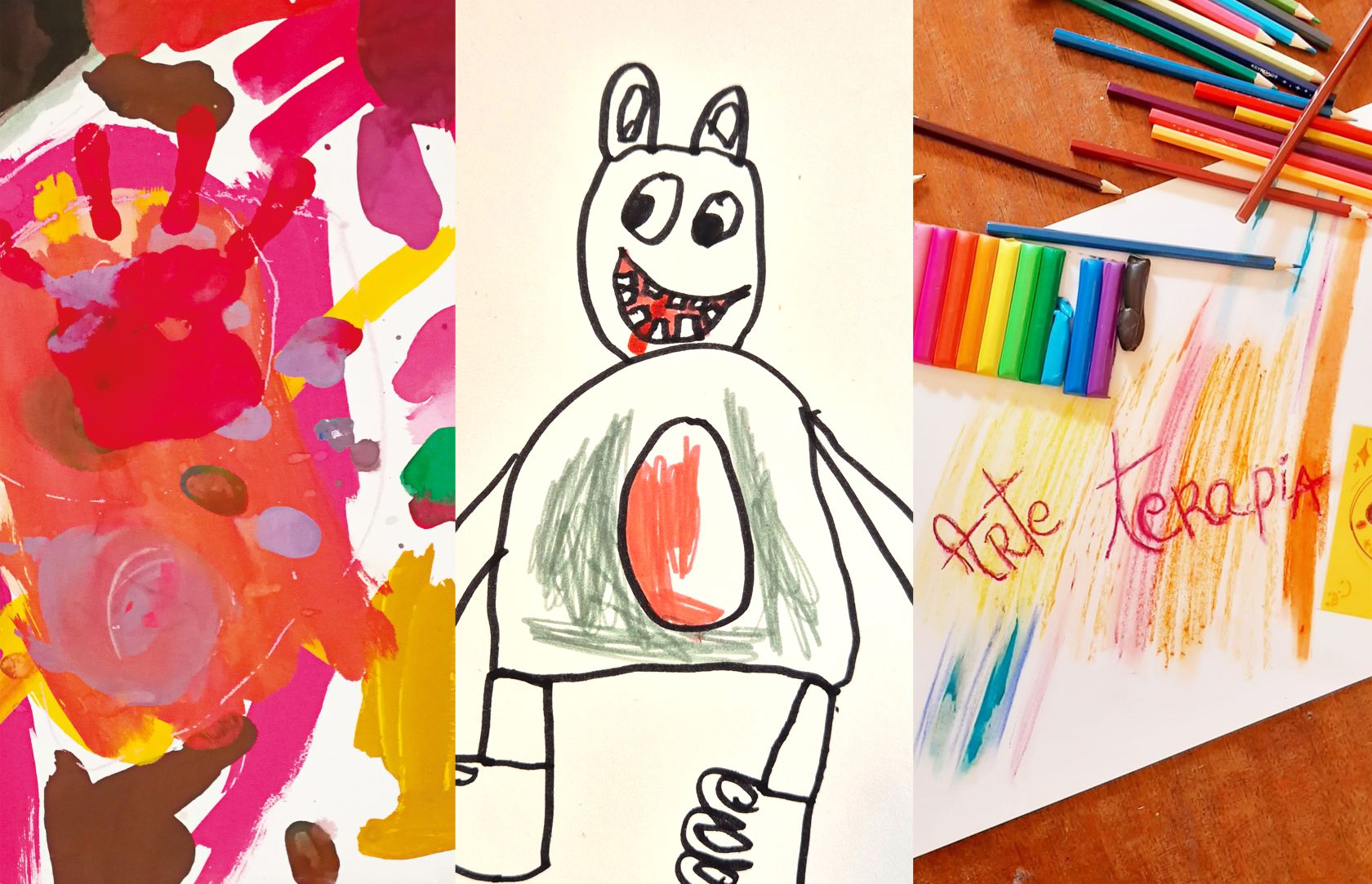
Long before children have the words to describe how they feel, they draw, move and play. These are some of our earliest languages, and science is increasingly explaining why they matter so much.
One of the most comprehensive reviews ever undertaken on the subject was commissioned by the World Health Organization, drawing on more than 3,000 studies from across the WHO European Region and beyond. Its conclusion was striking: engaging with the arts plays a meaningful role in preventing ill health, promoting wellbeing, and supporting people through illness and hardship, across every stage of life.
What the research shows about children specifically
For children, the evidence is particularly rich. Musical and creative activity has been linked to improvements in language development, auditory attention and reading ability, with benefits that extend to children with dyslexia, communication difficulties and developmental disabilities. Beyond language, creative engagement supports what researchers describe as emotional competence: the ability to recognise, understand and manage feelings, which in turn helps children get along with peers, cope with setbacks and stay engaged at school.
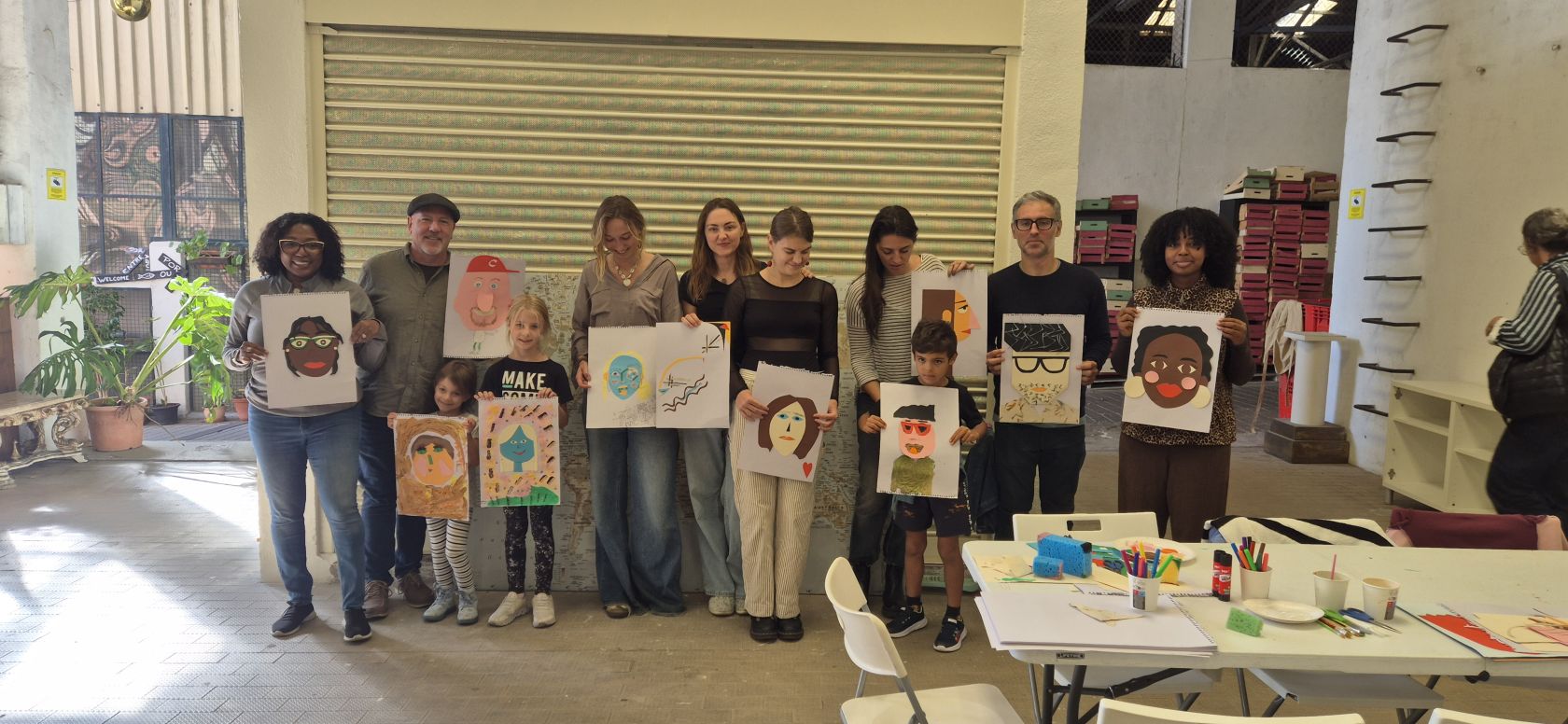
The same review found that children encouraged to take part in creative activities showed reduced stress, lower hyperactivity and improved social skills, with particular benefit for children from lower-income backgrounds or facing developmental challenges. Crucially, the researchers noted this isn't about talent or technique. Confidence, self-acceptance and a sense of self-worth all rise through the simple act of making something, regardless of whether it's "good."
More than switching off
Part of the explanation may lie in what happens to the mind during creative work. Many people know the feeling of becoming completely absorbed in painting, sketching, gardening or playing music, a state where time seems to disappear and worries fade into the background. Unlike much of daily life, creative activity slows us down: hands, eyes and mind start working together, and attention shifts from outcome to process.
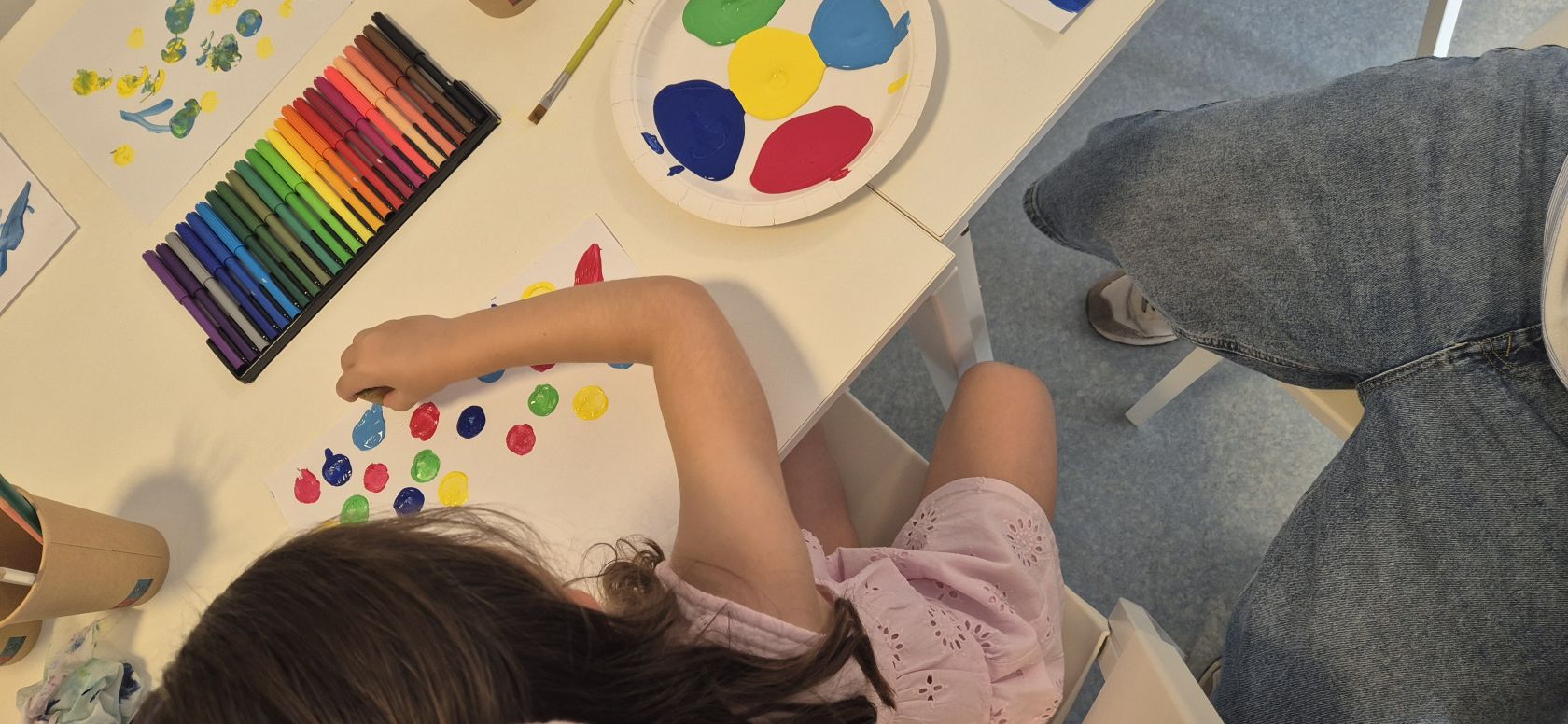
For children especially, this offers something words often can't: a way to express what's difficult to say out loud. Grief, anxiety, and the confusion of a major life change are all easier to draw than to explain. This is the foundation of expressive arts therapy: not an art class, not concerned with technique, but a space where a trained therapist uses creative process to help a child explore what's hard to put into language, with nothing judged for how it looks.
Two decades, two continents
This is also, in essence, the founding idea behind the Sovereign Art Foundation (SAF), a charity established in Hong Kong in 2003 with a dual purpose: supporting contemporary artists across Asia, and bringing the benefits of expressive arts to children who might not otherwise have access to them. Over the years that followed, SAF's Make It Better programme grew into a multi-year, university-evaluated initiative reaching hundreds of children across Hong Kong, one of the clearer real-world illustrations of the WHO's findings in practice.
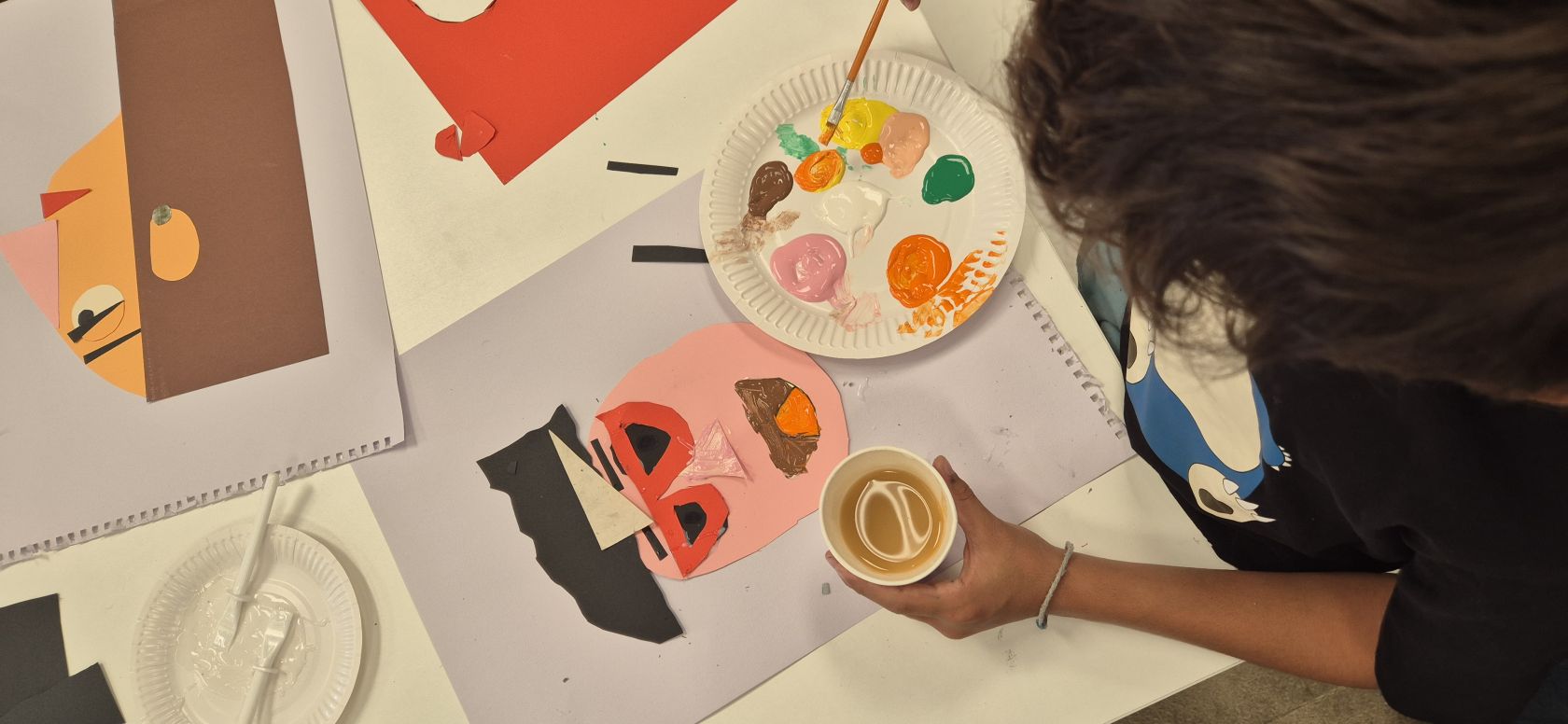
That same model now underpins Make It Better Portugal, running in Lisbon, Estremoz and the Algarve through certified expressive arts therapists. Children choose what they want to make and are given the room to make it: the same approach the research consistently points to as most effective, and the same one SAF has been refining since Hong Kong.
Alongside these therapeutic sessions, SAF also runs free artist-led community workshops throughout the year across Portugal, open to any family who wants to take part. Different in aim from the therapy sessions, but built on the same belief: that making things together, without judgement, builds confidence and connection.
What it adds up to
None of this suggests art is a cure-all. But the evidence, from a 3,000-study global review down to two decades of programmes on two different continents, points in a consistent direction: creative expression measurably helps children communicate, regulate emotion and connect with people around them, regardless of whether they can draw.
As mental health continues to move toward the centre of public conversation, it's worth remembering that the clearest evidence for this simple, low-cost intervention isn't new. Children have always drawn what they couldn't say. What's changing is how well we now understand why it helps.
Vote online and explore the shortlisted artworks:
https://www.sovereignartfoundation.com/sp-portugal/
Find out more about the Sovereign Art Foundation’s work in Portugal:
https://www.sovereignartfoundation.com/expressive-arts-programme-portugal/
Follow SAF Portugal on Instagram:
@sovereignartfoundationportugal
Sovereign Art Foundation Portugal
📧 Tanya@sovereignartfoundation.com
Set The Portugal News as your preferred source for news on Google
 Add as a preferred source on Google






 Portugal Handbook
 English
 Nederlands
 Deutsch
 Français
 Español
 Italiano
 Svenska
 Pусский
 中文
中文 Türkçe
 Português
 Czech
Czech Hungarian
 Polski
 عربي
عربي Suomi
Suomi עִברִית
 Português (Brasil)
Follow us on social media