


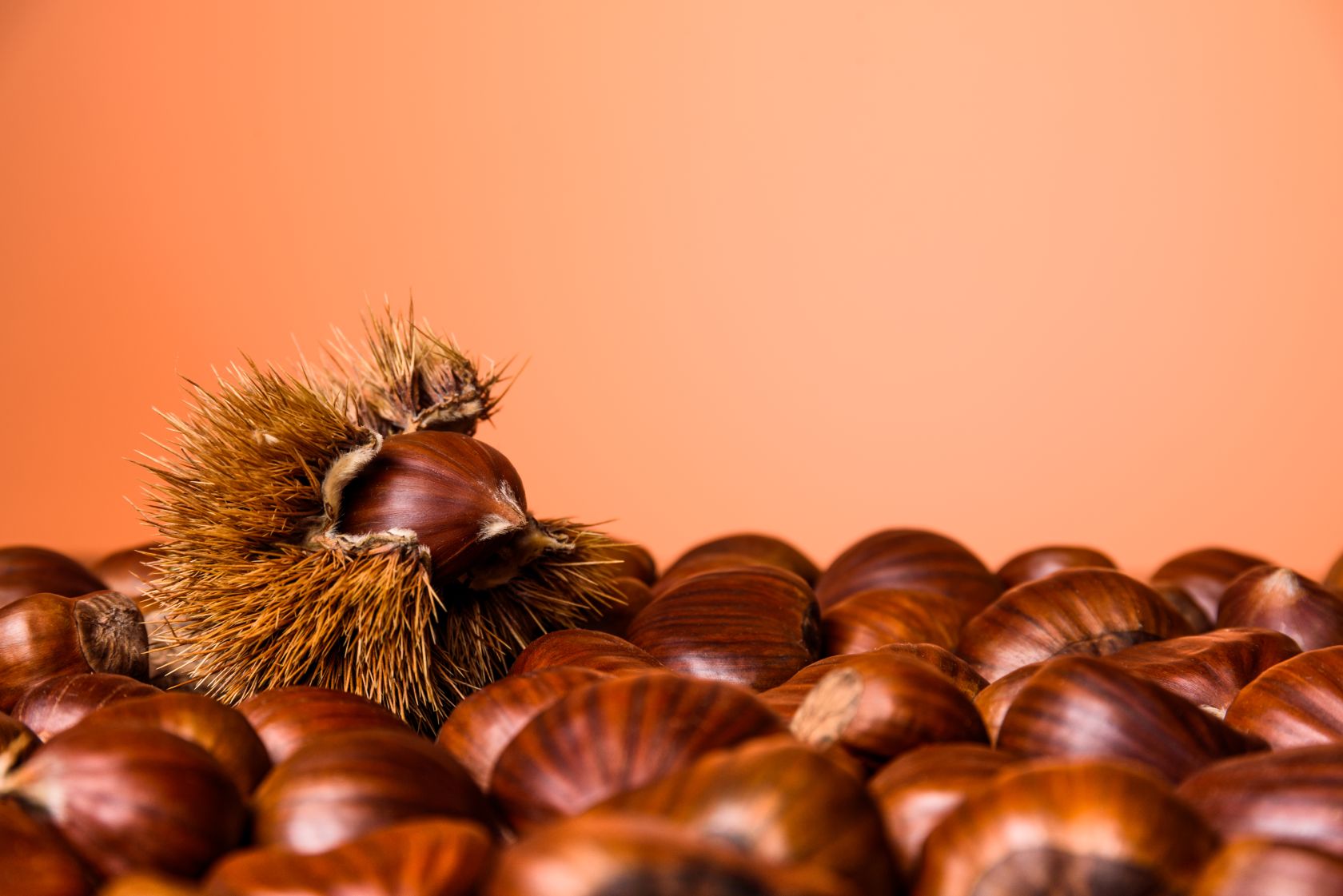
The fact that autumn has come means that roasted chestnut stalls once again appear on the streets, this being a seasonal activity which involves a large financial outlay in the most crowded areas of the Porto Metropolitan Area.
Metro stations open to vendors
Metro do Porto has initiated a public tender for the operation of sales points at three stations on its network, with contracts lasting seven months, from 15 October to 15 May of the following year. At Trindade Station in the city centre, the highest bid requirement is €750 per month, amounting to a minimum total of €5,250 for the duration of the contract.
The starting amounts at the other locations are lower: at the Senhora da Hora station in Matosinhos the monthly base rate is €350 (€2,450 for the entire period), and at Casa da Música the minimum bid is €250 per month (€1,750 in total). The spaces will each be given to the highest bidder, and vendors are allowed to operate from 6:00 am to 10:00 pm. The deadline for applications is 4:00 pm on 9 October.
A Portuguese autumn tradition
The sale of roasted chestnuts still has close cultural and economic connections with the colder months and the celebrations of St. Martin’s Day, since it has traditionally been consumed together with drinks like água-pé and jeropiga.
Unlike other nuts, chestnuts contain around 50% water and have a low fat content; they are rich in complex carbohydrates, fibre, B-complex vitamins, and minerals including potassium, magnesium, and phosphorus.
Although they were once of great importance in the national diet before the introduction of corn and potatoes, the fruit is still a major item both in terms of gastronomy and commerce in the cities' public markets.
Set The Portugal News as your preferred source for news on Google
 Add as a preferred source on Google








 Portugal Handbook
 English
 Nederlands
 Deutsch
 Français
 Español
 Italiano
 Svenska
 Pусский
 中文
中文 Türkçe
 Português
 Czech
Czech Hungarian
 Polski
 عربي
عربي Suomi
Suomi עִברִית
 Português (Brasil)
Follow us on social media