


Not long ago, I received word that my sister-in-law in New Mexico was suffering a sudden decline in health. In fact, I was told, “she might not make it through the week.” I quickly found enough British Airways Avios for a one-way ticket and, in two days, arrived at Albuquerque’s Sunport Airport.
Although I had not moved back to the States permanently, for all intents and purposes, I was living like a resident, grocery shopping, cooking, doing housework, etc. I was driving so much that I learned the shortcuts from one destination to another, and which yellow traffic lights were long enough to sail through without risking being rear-ended by braking too soon. Clerks at the supermarket, pharmacists, and Walmart greeters got to know me by name. After a few weeks, I had the eerie sensation that a) I really do live here, and b) I am never going home to Europe.
Immersion
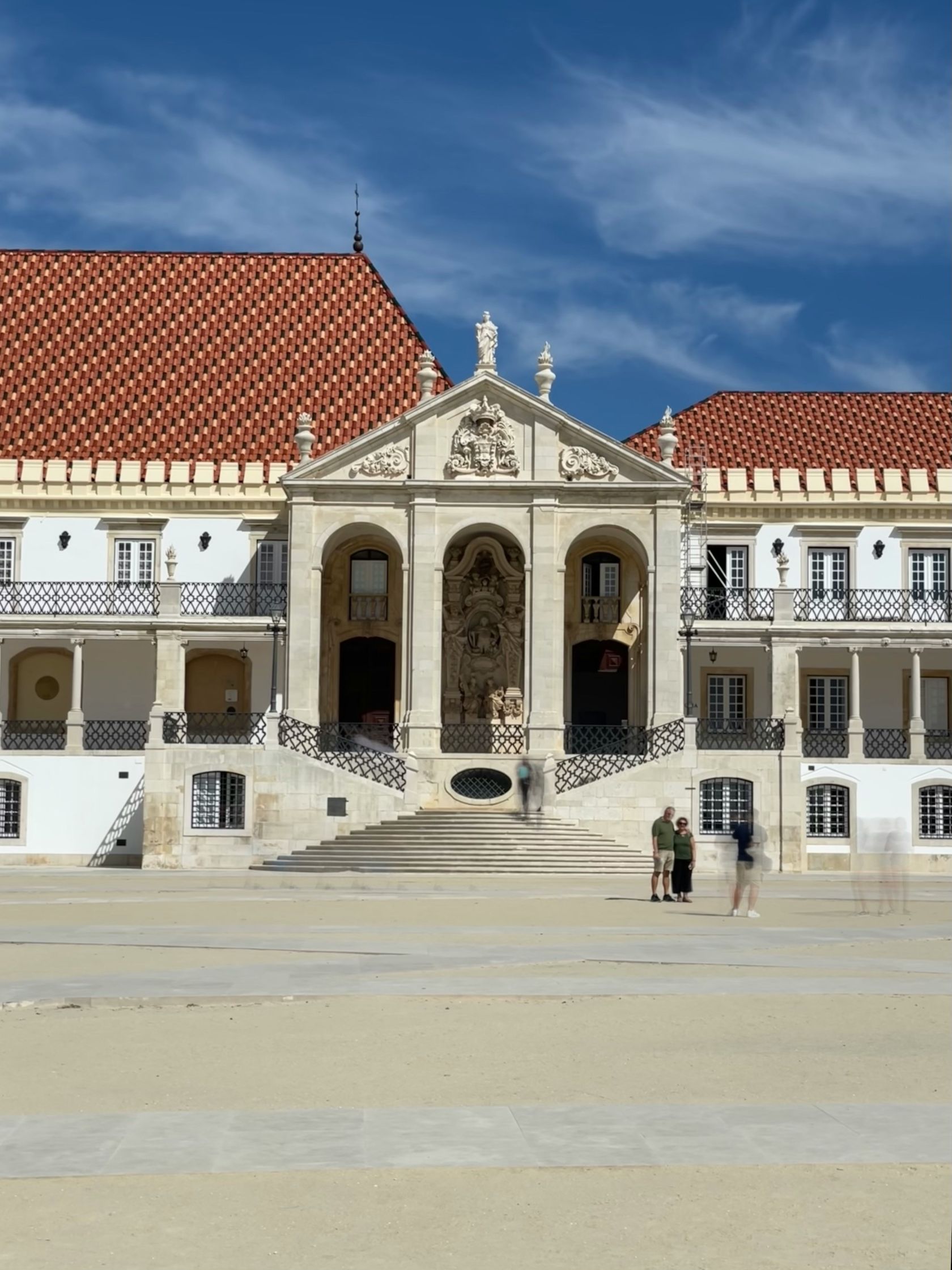
Culture shock had played a role in our lives when my husband and I moved to Portugal in 2012. There was a learning curve, including getting a grasp of the language. So, we made the most of daily contact with locals and enrolled in an immersion course at the University of Coimbra. Eventually, we relied less on charades and more on our burgeoning command of Portuguese to communicate.
We also learned to adjust the pace of our lives. Although I’ve lived in some rural areas, I’ve spent the majority of my life in my native New York City and Los Angeles, with Miami thrown in for good measure. The countryside of Portugal was, well... low-key. We fell in love with it, relishing the sound of birds chirping and sheep bleating rather than the shouted threats and honking horns of road rage.
Perhaps the biggest shock was the discovery of how far our Social Security checks stretched abroad. The cost of living was so modest that when I wrote and spoke about it in my position as International Living’s Portugal Correspondent, I said we spent about one-half to two-thirds of what we had in the US.
Nowhere was this more evident than when I needed to have a total hip replacement a couple of years ago. I detailed my experience at the time in an article for The Portugal News. It was not the first time nor, probably, will it be the last, that I extolled the virtues of the public and private health systems here.
A stark contrast
There was a stark contrast on some of these points in the months I spent in New Mexico. To be honest, it felt fairly peaceful on both the road and in retail establishments, similar to Portugal. On the other hand, I was in a suburb. There were numerous reports of violent crime taking place in Albuquerque. And each afternoon, as I reflected on the majestic Sandia Mountains from my brother’s backyard, I wondered about the mysterious disappearance of retired Air Force Major General William Neil McCasland.
I went to the supermarket daily, spending between $40 and $80 each time. My husband and I spend €600 a month on groceries. At one point, my daughters flew me for ten days to visit them in Los Angeles, where one day I took a granddaughter out for lunch. The check for two burgers, a lemonade and an Arnold Palmer was almost $60. My spouse and I are accustomed to enjoying a light meal of tapas washed down with a generous glass of wine and a soft drink for under €10.

The place to be
Then there was the health system. I needed to make or cancel a number of medical appointments for my relatives. Each time I called, I had to use an automated system, selecting options, entering birth dates, the last four of their Social Security numbers, their zip code, etc. They have told me for years that it can easily take six months to schedule a doctor appointment. I believe it.
As far as cost goes, my brother’s bill for one night spent in the hospital last December was $12,000. Fortunately, the lion’s share was covered by insurance. And there’s no counting on the speed of treatment in an emergency. When my sister-in-law fell and went to the hospital, she spent three days in Intensive Care before getting assigned a room.
I had my own experience with health care sticker shock. Because of the second-hand smoke I was exposed to in New Mexico, I went to an urgent care clinic for a throat swab. I showed my Medicare card, paid $35, and was seen by a doctor who prescribed medication.
Last month, I finally came home and resumed life as usual. Then last week I received a phone call. I was told that, as I didn’t have Medicare Part B, I owed $600. When I expressed my, um, displeasure, I was asked to hold on. A moment later, the person returned and said, “Good news! We can lower that to $260. Isn’t that great?” No, it wasn’t.
I know every culture has its pluses and minuses. But there’s only one place I want to be these days.
 Add as a preferred source on Google







 Portugal Handbook
 English
 Nederlands
 Deutsch
 Français
 Español
 Italiano
 Svenska
 Pусский
 中文
中文 Türkçe
 Português
 Czech
Czech Hungarian
 Polski
 عربي
عربي Suomi
Suomi עִברִית
 Português (Brasil)
That's funny, because health care only started to skyrocket here in the US after the Clintons tried to "improve" it by getting insurers to pay for more. The final nail came with the (Un)affordable Care Act's bureaucratic meddling. For most of my life, I'm in my 70s, I paid out of pocket for my own healthcare insurance and it was much much cheaper (and efficient) than government-run put-on-a-wait-list healthcare. There's two sides to every story, as illustrated by the many Canadians who buy American health insurance and cross the border to be treated quickly rather than tolerating long waits for the government bureaucrats to catch up.
By Tony from USA on 01 May 2026, 22:02
Tony, I agree, there's a lot to consider with health care--provisions differ between countries, and with respect to the nature of an individual's needs, and the government and the times in general. It's great that you have been able to take good care of your health in an efficient, economical and stress-free manner. I wish everyone could!
By Tricia Pimental from Other on 04 May 2026, 13:38