


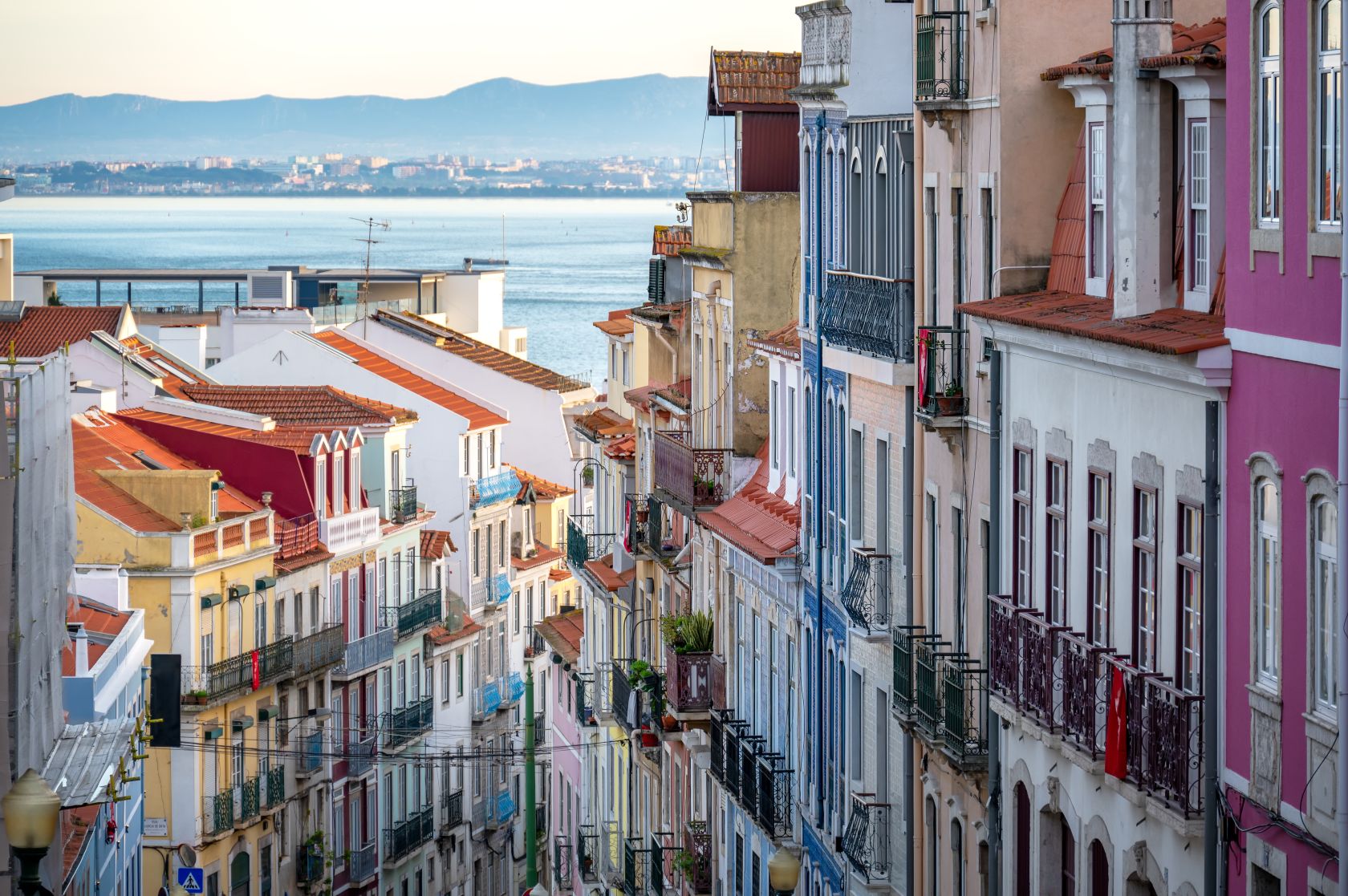
We know that there is a shortage of houses, that prices have grown much faster than incomes, that building has become more expensive, that licensing processes remain slow and that a significant part of the population is finding it increasingly difficult to find a house that they can afford. We are also beginning to know better the dimension of the problem: Morningstar DBRS estimates that Portugal has accumulated, since 2014, a deficit of more than 300 thousand homes. The diagnosis is made. The question now is another: how much more time are we going to spend discussing what we already know?
Perhaps the time has come to turn the housing crisis into a true national implementation programme. And that starts by abandoning an idea that is too simple: that increasing supply only means building new buildings. A recent European study shows the opposite precisely: before building from scratch, there is a huge opportunity to make better use of the buildings we already have, by recovering empty buildings, renovating run-down buildings, converting spaces that have lost their original function, reorganising underused buildings or increasing the capacity of existing buildings. On a European scale, these solutions could represent the equivalent of 50 to 107 million additional homes or an order of magnitude that Portugal should look at with particular attention.
In our cities, there are empty buildings, run-down buildings, commercial spaces and other buildings whose use has changed, buildings that can be expanded and heritage that could be returned to the market through rehabilitation. None of this eliminates the need to build: Portugal needs new construction, more supply and greater capacity for real estate development. But if the problem is of the dimension that we recognise today, it will be difficult to solve it through a single solution. We need to do several things at the same time: build where there is demand, rehabilitate where there is heritage, convert where uses no longer make sense, simplify processes, mobilise vacant properties and create conditions for private capital and institutional investment to participate in the creation of new supply.
The study itself proposes a simple and pragmatic logic: first renew, reuse and reorganise what exists; then expand the existing buildings; and build from scratch when those solutions aren't enough. This change in perspective can also transform the Portuguese real estate market. For decades, creating real estate value has mostly meant buying land, licensing and building. In the future, a growing part of that value may lie in discovering housing capacity where today we see only old buildings, empty spaces or underutilised assets.
Portugal already knows the problem, it already knows many of the solutions and it already knows that waiting will have an increasing economic and social cost. The next phase of housing policy does not need further diagnostics: it needs execution, scale and the ability to transform what we already have into what we lack.
Set The Portugal News as your preferred source for news on Google
 Add as a preferred source on Google








 Portugal Handbook
 English
 Nederlands
 Deutsch
 Français
 Español
 Italiano
 Svenska
 Pусский
 中文
中文 Türkçe
 Português
 Czech
Czech Hungarian
 Polski
 عربي
عربي Suomi
Suomi עִברִית
 Português (Brasil)
For once, Paulo got it right. Cities should show a sense of pride in their streets. Get the old abandoned houses fixed up and occupied. It is the height of ridiculousness to have so many buildings unoccupied and to still blame the immigrant. It is the government who has artificially reduced the housing supply by allowing properties to sit unoccupied and in a ruined state.
By Frank from Porto on 24 Aug 2026, 07:23
Spot on! Portugal needs to streamline its bureaucracy, simplify processes and remove barriers to construction. One of the biggest obstacles is that every local authority has its own building regulations, and there are differing interpretations amongst the relevant officials in different local authorities as to how those regulations should be interpreted. What if the regulations were simple and clear, without lengthy processing times, and applied across the whole country? That way, any architect or builder could offer their services anywhere.
By JJussi from Algarve on 29 Aug 2026, 11:07
Inventive foreigners to renovate ruins. Make it part of the NHR program and get foreigners to renovate. The s is the perfect way to kickstart an infrastructure programme and create real jobs such as builders, painters, electricians, plumbers. Develop a government backed mortgage type to support ruin upgrades and development. This will attract foreign investment and support locals to build there own home.
By Ma Pla from UK on 29 Aug 2026, 12:32